



SiliconeSoft is good, or hard is good? In fact, this is about two types of silicone: liquid silicone and solid silicone. According to the data analyzed by the editor, products made of liquid silicone tend to be softer, whereas those made of solid silicone are generally harder. Regarding the different materials of these two types of silicone, I've also consulted some industry experts in the silicone field. They informed me that this is due to the diverse nature of silicone materials. Moreover, as silicone is now considered an environmentally friendly and harmless material in the industry, more and more people are opting for customized silicone products, and its applications are becoming increasingly widespread.
The interaction between rubber molecules hinders the movement of molecular chains, manifesting as viscosity or粘度. Therefore, the characteristic of rubber is that it possesses both elasticity and viscosity. Factors affecting elasticity include deformation size, duration of action, and temperature. When the interaction between rubber molecules increases and the regularity of molecular chains is high, it is easier to produce stretching crystallization, which is beneficial for strength enhancement and exhibits high elasticity. In general-purpose rubbers, natural rubber and isoprene have good elasticity, followed by butadiene acrylonitrile and chloroprene. Butyl rubber is较差in terms of elasticity.
Now you might be wondering why we've been talking so much about flexible knowledge. SuperTech is here to tell you that the hardness of silicone products, in essence, is also about elasticity. The hardness of silicone products is determined by their type. For instance, liquid silicone, also known as liquefied silicone, can be used to create silicone products with low hardness ratings, ranging from 0 to 20 degrees. The texture is soft and sticky to the touch. Such liquid silicone products are quite rare because the mold development for liquid silicone products is quite expensive.

The information you mentionedLiquid SiliconeIs it thermal grease? This is a paste substance; is solid silicone the same as thermal silicone sheet? If so, the thermal conductivity of these two products differs: if the thermal conductivity coefficient of thermal grease is 1, it is equivalent to a thermal conductivity coefficient of 2 for the thermal silicone sheet. The corresponding products for use are also different: thermal grease can be used on high-power heat-generating chips, while thermal silicone sheets are only suitable for low-heat-generating chips.
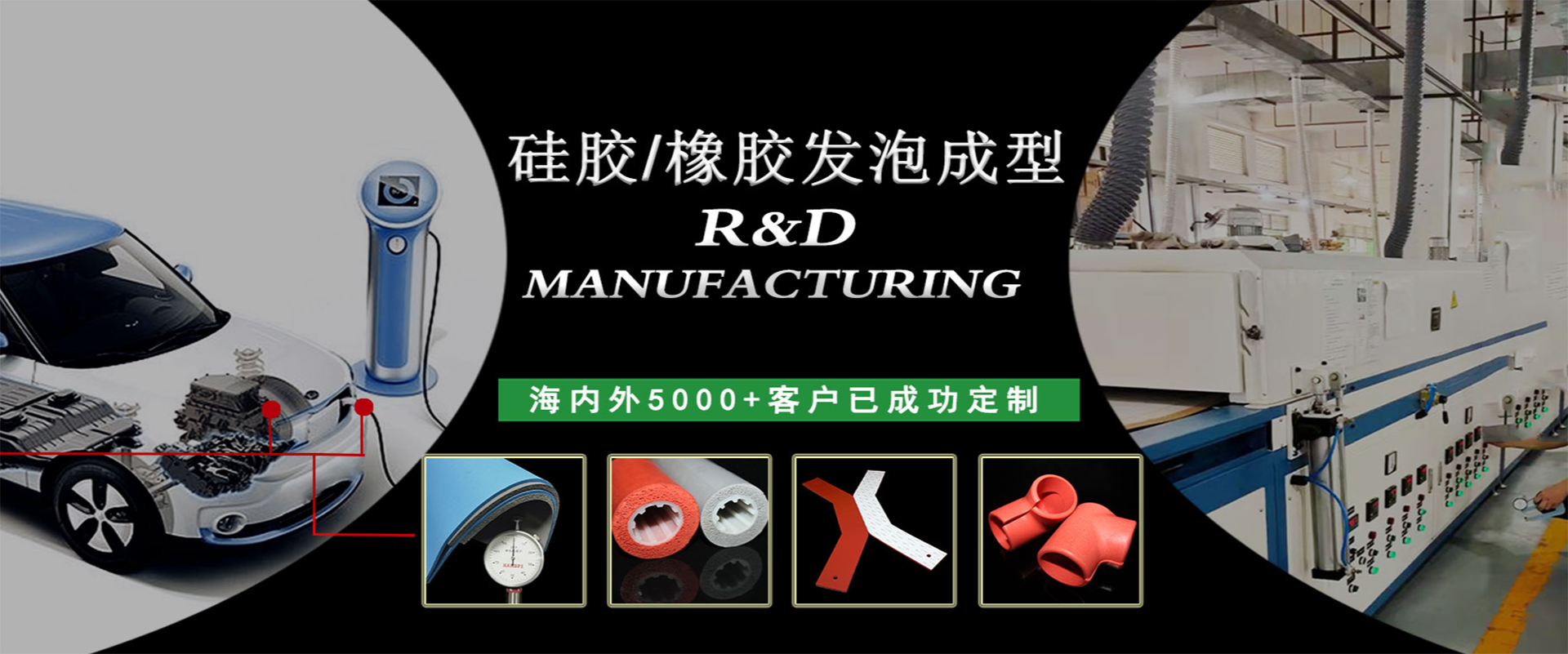
Thermal conductive grease boasts superior heat dissipation over silicone sheets and greater stability. The advantage of silicone sheets lies in their simplicity and ease of use, as well as their ability to fill larger gaps in heat-generating devices. When double-sided adhesive is applied, they can adhere to heat sinks (replacing thermal grease). The basic difference is that one is a liquid and the other is a solid, with different applications. The essential difference between liquid silicone and solid silicone is that liquid silicone is in a liquid state (can be poured into molds, injection molded), while solid silicone is in a solid state and can only be compression molded. The distinction between the two products is that liquid silicone can produce a wide variety of products, depending on the mold used, allowing for products like two-shot injection molded parts and more! Solid silicone products, on the other hand, tend to be more limited in variety.
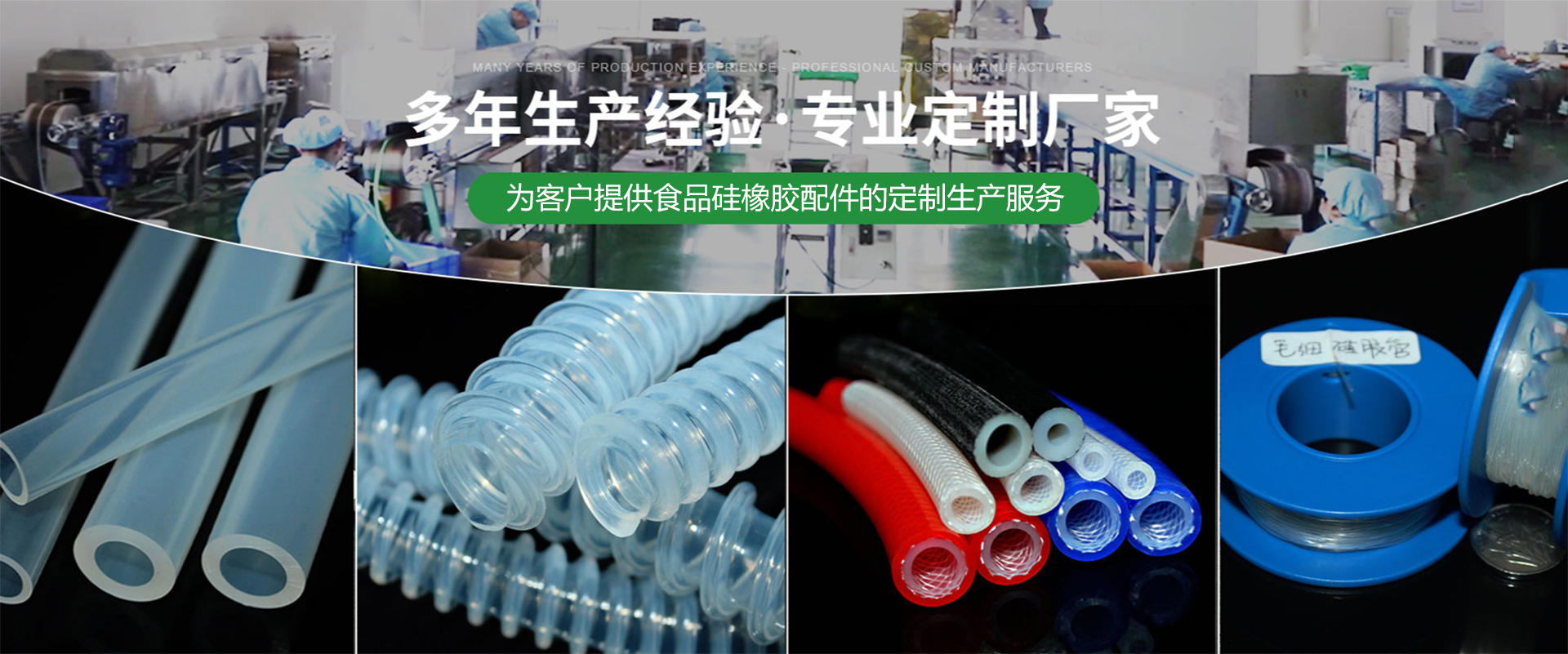
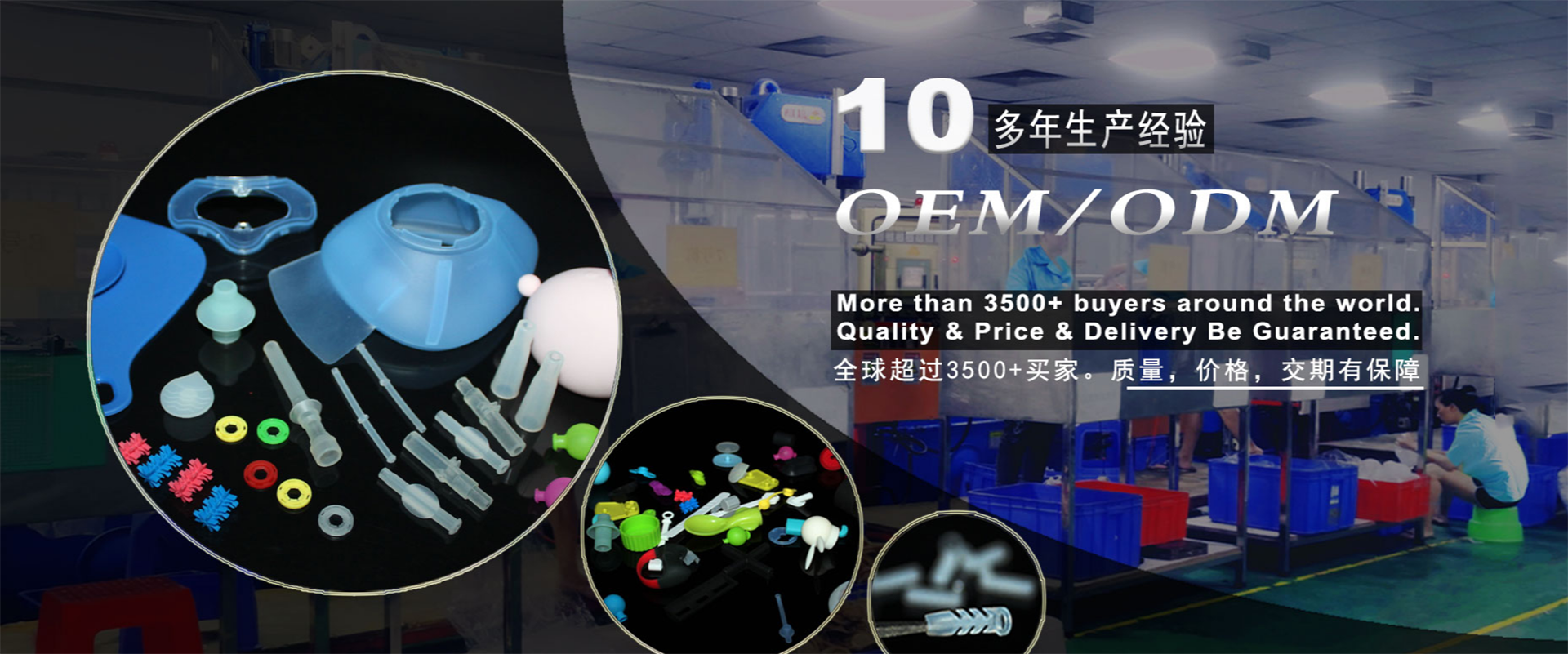
Yongle Rubbers & PlasticsThe company has successfully passed the ISO9001 certification. We specialize in manufacturing platinum silicone tubes, peristaltic pump silicone tubes, food-grade silicone molding parts, and silicone, as well as custom production of sealing components for plastic products. With a competitive strategy centered around "developing better products, providing better services, and creating a better image," we continuously strive for innovation in change and management to enhance our overall corporate competitiveness.
