



Similarly, the process of transfer molding and injection molding is the same, just...Silicone ProductsThe injection process is a high-temperature molding process, which also uses high pressure to extrude solid silicone raw material from the feed port, resulting in a more pronounced feed port compared to the liquid silicone feed port, and a slower production efficiency.
Multi-color silicone gift toys are a sight you've likely encountered. They are primarily manufactured using the drop-casting molding process, with different glue guns used for one-time multi-color molding, achieving a product with a variety of color schemes. This technique is currently the main method for many toys and multi-color processing, offering a certain sense of three-dimensional realism. However, this process also has its flaws, such as color bleeding and inaccuracies in color control, as well as the inability to consistently guarantee the quality of molds over time, which can affect product quality.
As the development and widespread application of silicone products continue, an increasing number of industries are opting for safe and environmentally friendly products as substrates for various materials. Silicone is one such material, and based on market demand, the processing technology for products has become the mainstream.

For example, processes like extrusion, calendering, liquid, and solid-state processing all yield products with certain advantages in different industries. Of course, beyond these advantages, there are also unavoidable quality control factors. Therefore, today's article will discuss the potential adverse factors that can arise in the manufacturing process of silicone products.
In the solid-state forming process,Silicone ProductsThe manufacturer's pressure forming technique is widely used at present. Its core issue lies in the problems of upper and lower mold mating and demolding lines. For products with strict appearance requirements, the size of the demolding lines determines the product's grade, thus affecting the mold design.
The liquid process is not significantly different from the solid molding process, and there is little controversy regarding its parting line in terms of product quality. Since the liquid belongs to the injection molding process, its defect lies in the location of the injection port, which is the same as in plastic products, so there will definitely be a plastic port on the product as the feeding point.
Many products are able to keep the feed port within the product itself, minimizing its display to consumers. However, liquid silicone products inherently have few defects. The challenge lies in the leftover material from the production process of liquid silicone product manufacturers, which makes it difficult to handle the machine and color.
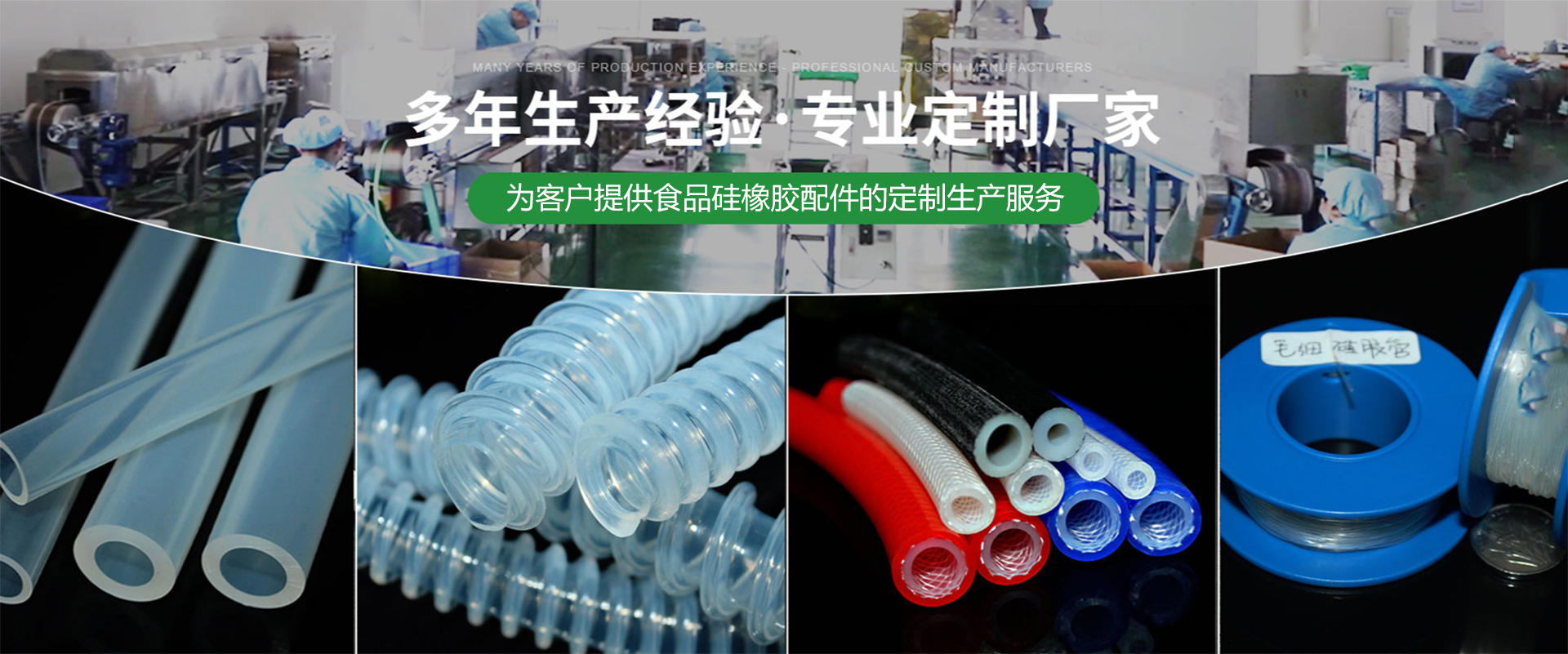
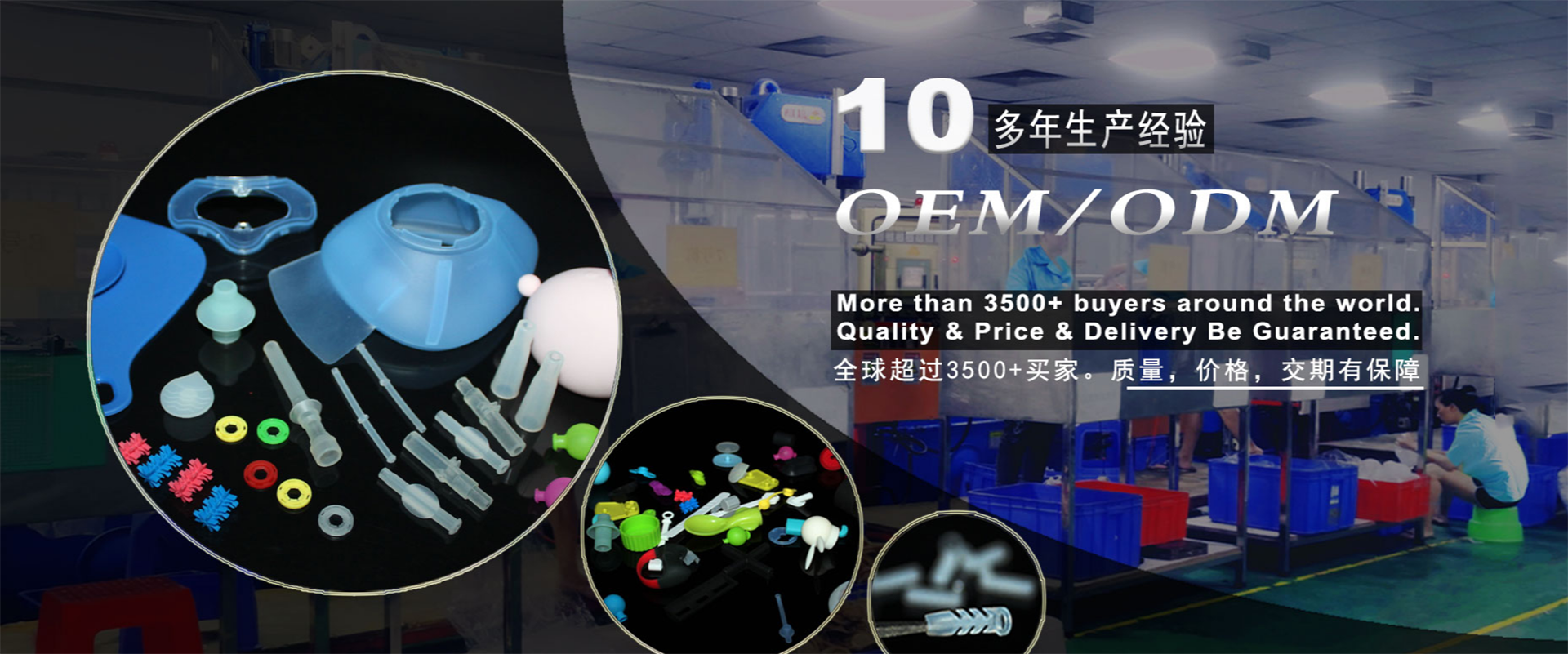
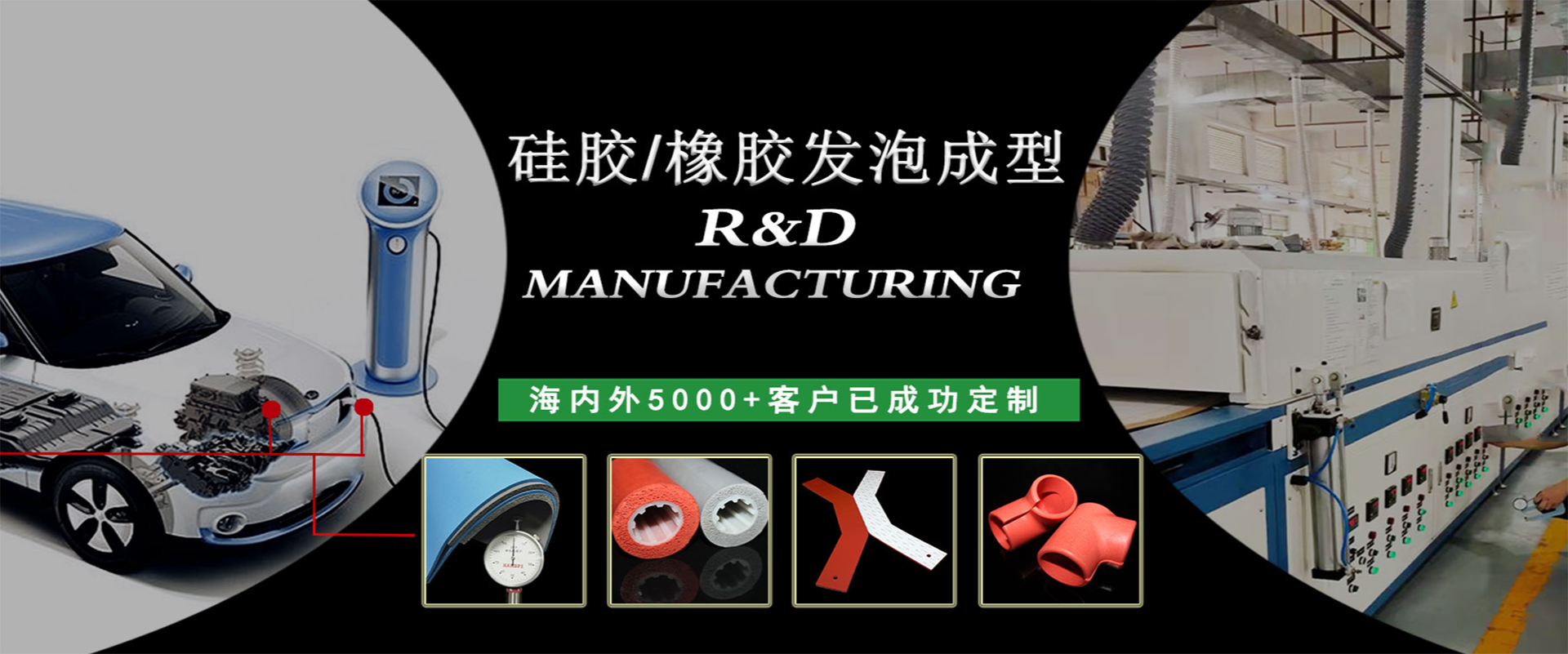
Yongle Rubber & PlasticThe company has successfully passed the ISO9001 certification. We specialize in manufacturing platinum silicone tubes, peristaltic pump silicone tubes, food molding silicone components, and silicone, as well as custom production of sealing components for plastic products. With a competitive strategy centered around "developing better products, providing better services, and creating a better image," we continuously undergo transformation and management innovation to enhance our overall corporate competitiveness.
