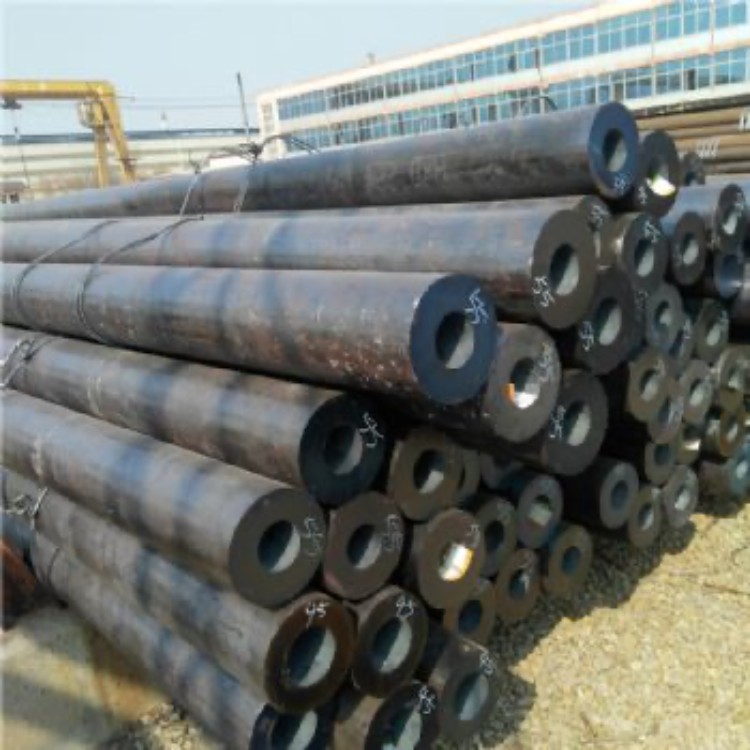


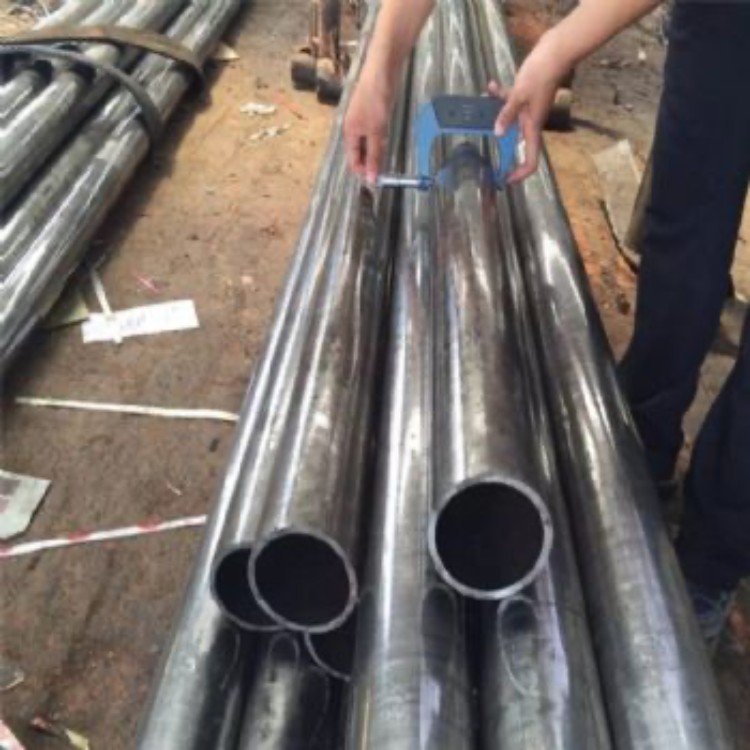
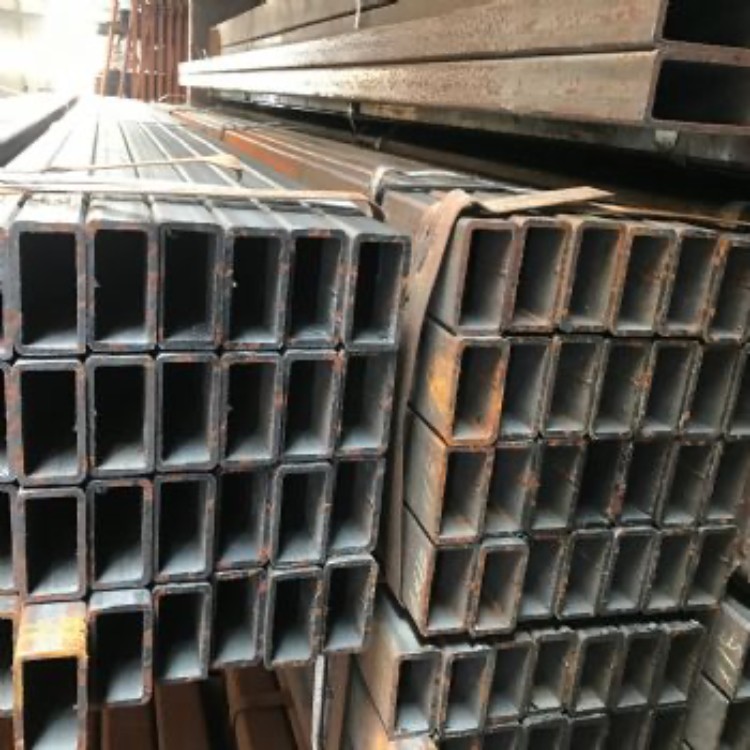
Square and rectangular tubes, also known as equal-sided steel pipes. They are formed by rolling steel strips through a process. Typically, steel strips are unpacked, leveled, curled, and welded into round tubes, which are then rolled into square tubes and cut to the desired length. Usually, there are 50 tubes per package.
Also known as square and rectangular cold-formed hollow sections, commonly referred to as square tubes and rectangular tubes, with codes F and J respectively.
1. The allowable deviation for the wall thickness of square rectangular tubes: when the wall thickness is not greater than 10mm, it should not exceed ±10% of the nominal wall thickness; when the wall thickness is greater than 10mm, it is ±8% of the wall thickness, excluding the bend and weld areas.
2. Standard delivery lengths for square tubes are typically 4000mm to 12000mm, with 6000mm and 12000mm being the most common. Square tubes may be delivered in lengths of less than 2000mm or in non-standard sizes, and can also be supplied in the form of joint pipes, but the customer is required to remove the joint pipes upon use. The weight of short lengths and non-standard sizes should not exceed 5% of the total delivery quantity, and for square tubes with a theoretical weight greater than 20kg/m, this should not exceed 10% of the total delivery quantity.
3. The bend of the square tube shall not exceed 2mm per meter, and the total bend shall not exceed 0.2% of the total length.