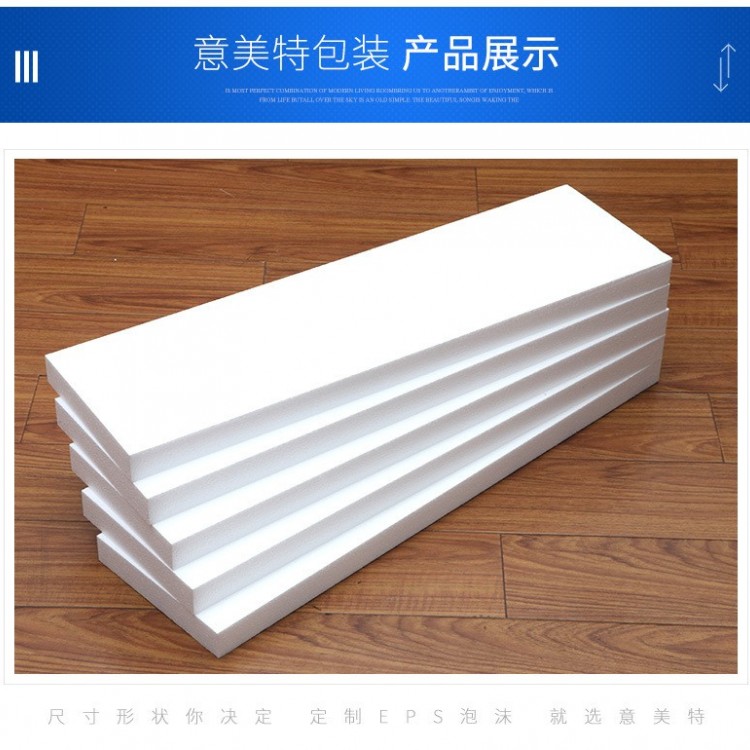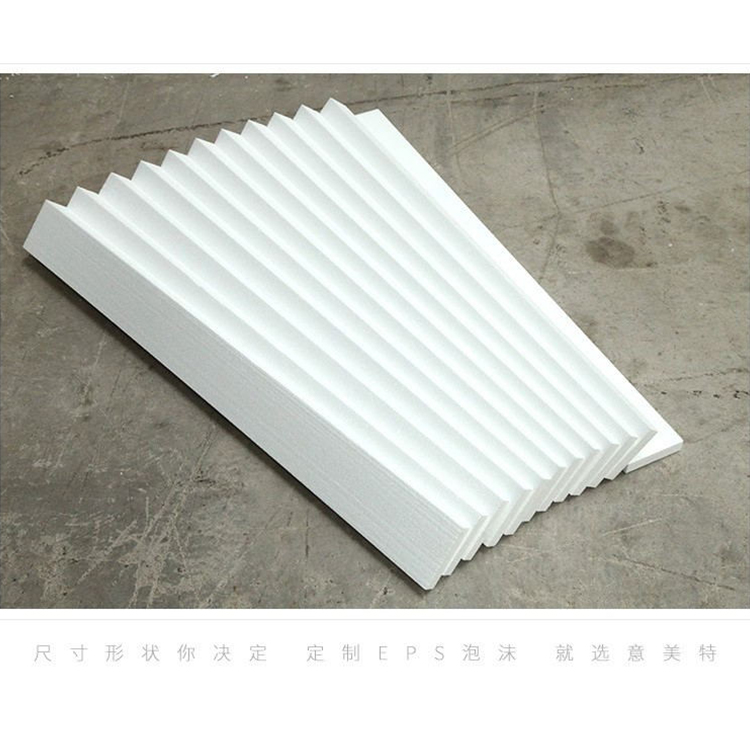
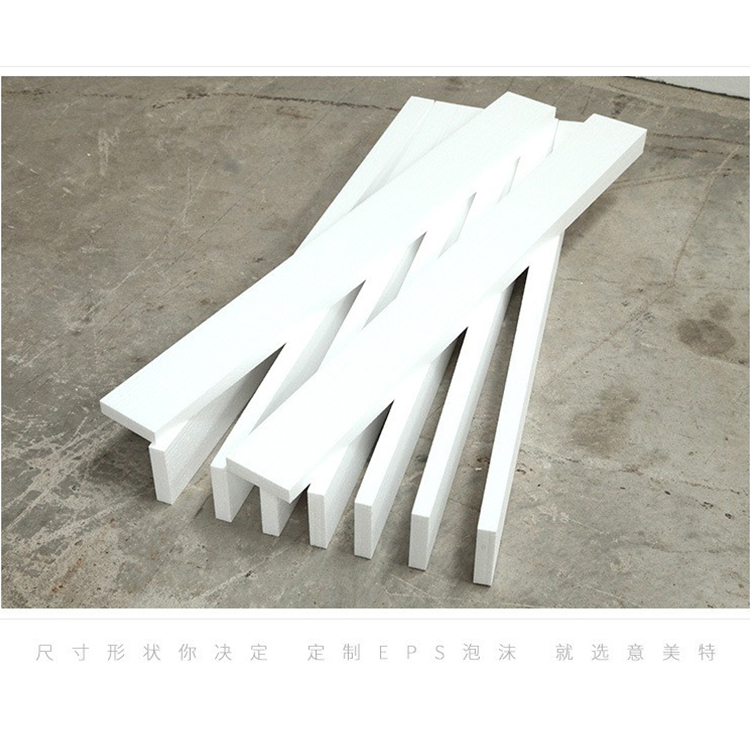
Foam packaging, as commonly referred to, primarily consists of expandable polystyrene (EPS) material that is molded and heat-processed to create packaging products commonly known as "foam." Expandable polystyrene is an ideal packaging material, which can be processed into various shapes and thicknesses according to requirements. Under high loads, the material achieves shock absorption and vibration reduction through deformation, energy absorption, and energy decomposition, while also providing thermal insulation and heat preservation. EPS packaging products are typically white, but can be produced in colors as required.
Primary Features
1. Lightweight. EPS packaging products replace part of the space with gas, containing 30 to 60 million separate, sealed air bubbles per cubic decimeter. Therefore, it is several to dozens of times larger in volume than plastic.
2. Possesses the ability to absorb impact loads. When EPS packaging products are subjected to impact loads, the gas in the foam is consumed and dissipated through backflow and compression, causing the incoming energy to be depleted. The foam body terminates the impact load with a smaller negative acceleration, gradually, thus offering excellent shockproofing effects.