

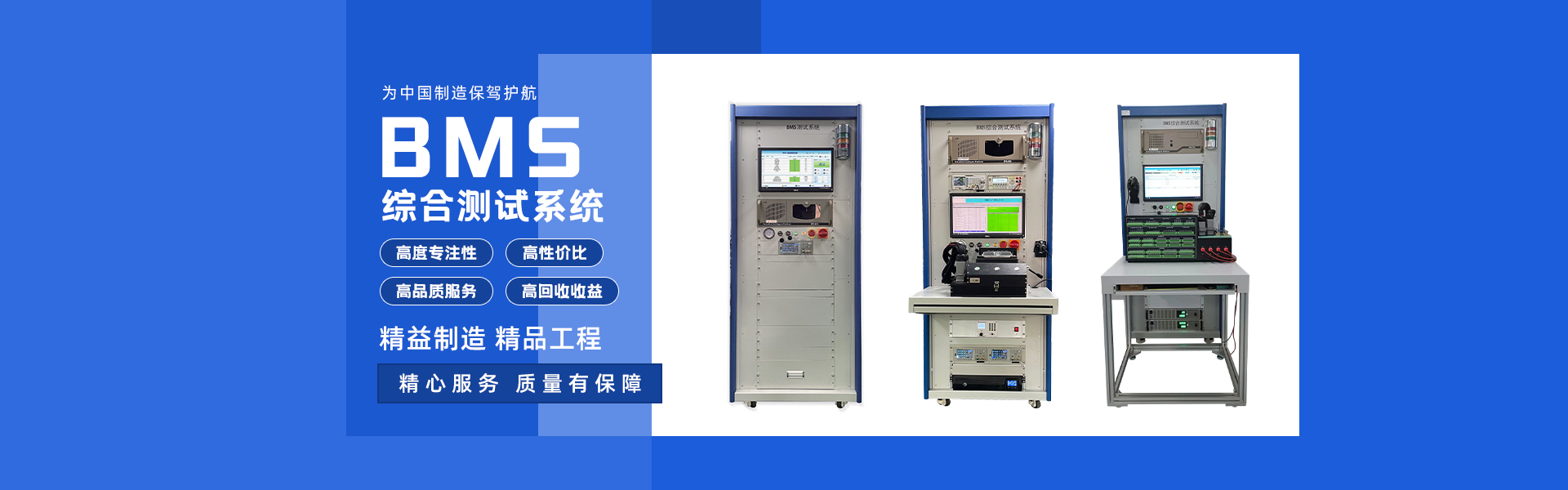
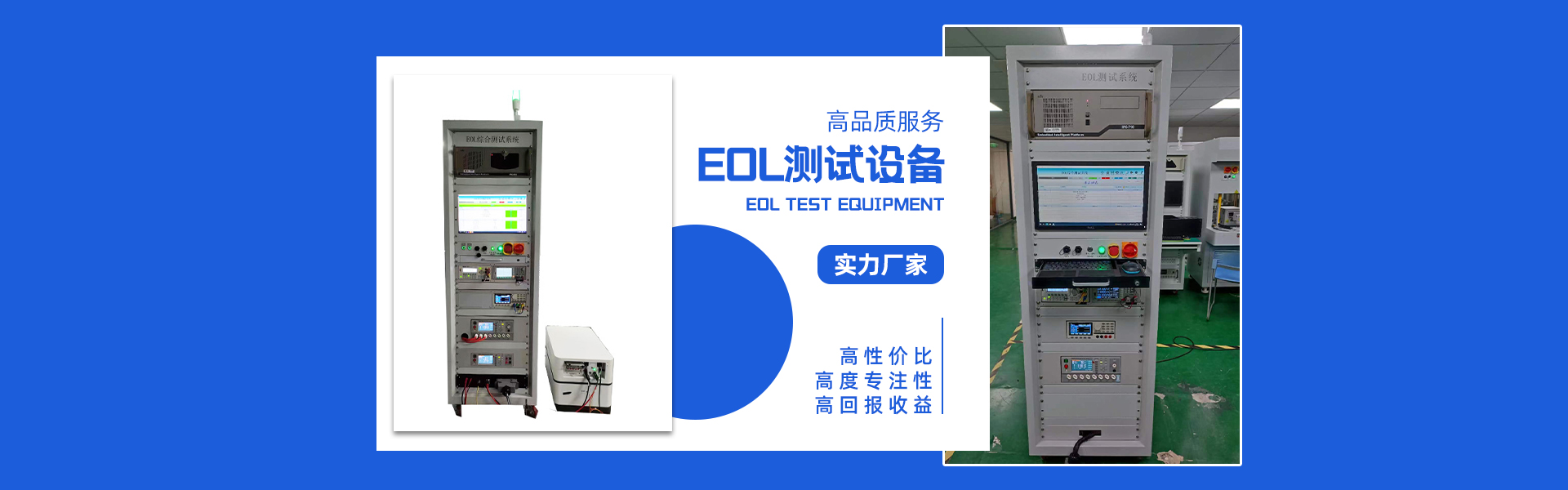





ATE testing equipment, also known as Automated Test Equipment, is primarily used for the automated testing of electronic products, electrical equipment, and semiconductor chips. It encompasses various testing domains and aspects. Below is a detailed analysis of the testing content of ATE testing equipment:
I. Test Subjects
ATE test equipment is capable of testing a wide range of objects, including but not limited to:
Electronic Components: such as resistors, capacitors, inductors, etc.
Chips: Including various integrated circuits (ICs), microprocessors (MPUs), digital signal processors (DSPs), and more.
Components: such as power modules, communication modules, etc.
System: A complete electronic equipment system or subsystem.
Section Two: Test Content
ATE test equipment can perform a variety of testing tasks to ensure that the quality and performance of the tested items meet specification requirements, including:
Functional Testing: Ensuring the tested object operates as per design specifications, including input/output functions, logical functions, etc.
Performance Testing: Evaluating the performance of the subject under specific conditions, such as response time, throughput, power consumption, etc.
Reliability Testing: Evaluating the stability and reliability of the tested object under long-term operation or harsh environments, including life tests, stress tests, etc.
Compatibility Testing: Validates the compatibility and interoperability of the tested object with other devices or systems.
Safety Testing: Ensuring that the tested objects do not pose any harm to users or the environment during use, including Electromagnetic Compatibility (EMC) testing and safety certification testing.
III. Test Principle
ATE test equipment connects the tested item to the testing device through an automated testing process, simulating the actual working environment to stimulate the item under test with signals. The tested item generates electrical signals under the signal stimulation, which are then collected by the testing device and transmitted to the test software. The test software utilizes a series of testing algorithms and data processing algorithms to obtain the test results, which are then analyzed and judged.
Four: Test Advantages
ATE test equipment offers significant advantages over traditional manual testing:
Enhance Testing Efficiency: Automated testing can significantly reduce testing time and labor costs.
Enhancing Test Accuracy: Precise testing equipment and algorithms ensure the accuracy and reliability of test results.
Supports Batch Testing: The ATE testing equipment supports simultaneous testing of multiple devices or test points, suitable for mass production environments.
Data Analysis and Report Generation: The testing equipment enables real-time analysis and processing of test data, generating detailed test reports and statistical data for easy troubleshooting and improvement.
In summary, ATE testing equipment is an indispensable and essential tool in the fields of electronic manufacturing and R&D. It ensures that the quality and performance of electronic products, electrical equipment, and semiconductor chips meet the required specifications through automated testing processes.
