

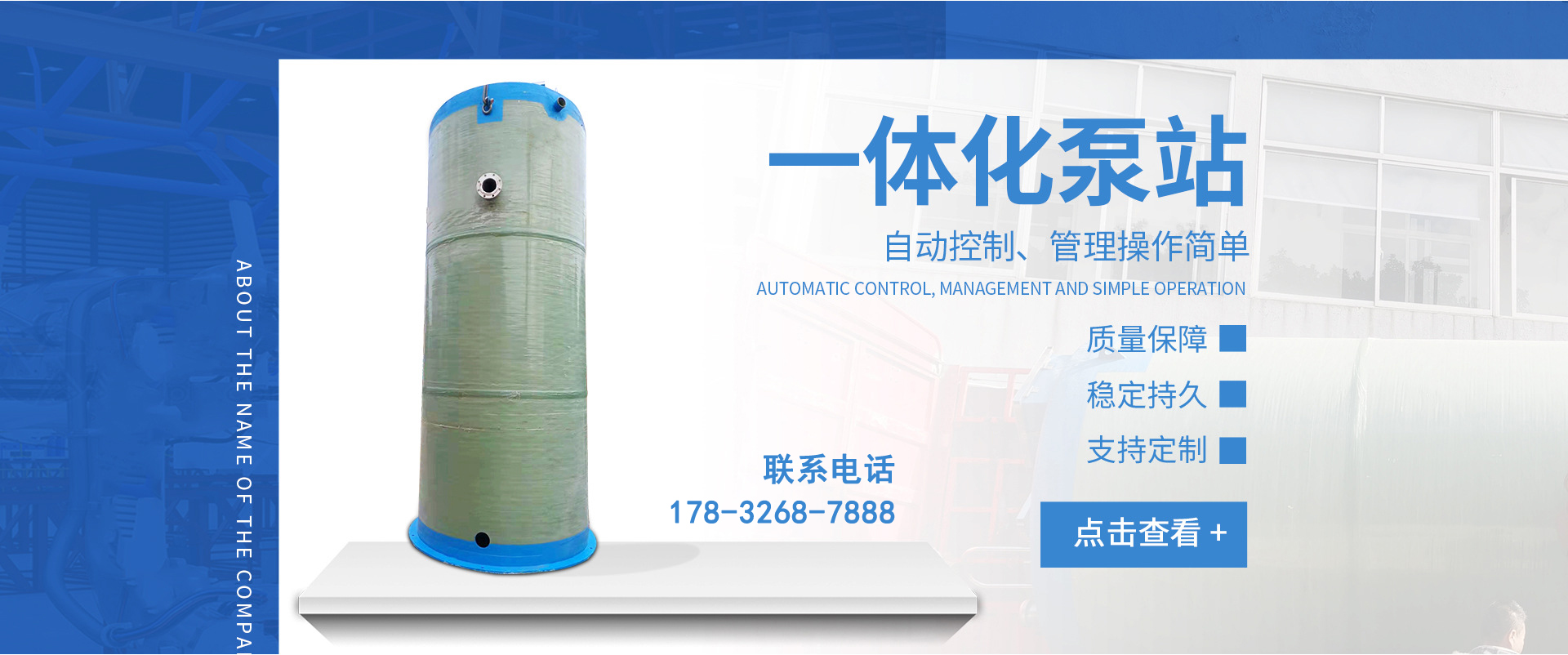

Integrated precast pump stations are a valuable helper in wastewater treatment, improving the issue of sedimentation and alleviating flood problems caused by the arrival of the rainy season. Equipped with an information control system, this system controls the start of the water pumps, allowing wastewater to be pumped from the station to an outlet of the municipal sewage pipeline. When the wastewater pumping falls below a liquid level set by the system, the system will control the shutdown of the pumps. This repetitive process ensures continuous transportation of wastewater by the integrated precast pump station.
Integrated precast pumping stations are primarily installed underground, allowing for the transportation of domestic and industrial wastewater while seamlessly integrating with the surrounding environment. This self-contained system requires no human supervision, making it an environmentally friendly and energy-saving device that reduces labor and time costs, positioning itself as a leading product in the market. Many residential complexes, municipal projects, and industrial manufacturers now use integrated precast pumping stations for wastewater transportation. During the actual construction of an integrated precast pumping station, it is crucial to conduct technical briefings before installation. The drainage system within the construction area of the pumping station must be tailored to each station's specific conditions, considering topography and geological conditions, as well as the volume of wastewater. Construction planning and layout should be made accordingly. Additionally, during construction, a system compatible with the external drainage system must be considered. Before installing equipment in an integrated precast pumping station, it is necessary to thoroughly study the relevant mechanical and electrical installation drawings, determine the construction techniques for electrical equipment, and establish a comprehensive construction quality inspection program throughout the process.
