



 通过中商114认证

Definition and Ingredients
FRP skylight panels (Fiber Reinforced Plastics) are a composite material made up of high-performance film, unsaturated polyester resin, and glass fiber. The glass fiber, serving as the reinforcing material, imparts excellent mechanical properties. The unsaturated polyester resin, acting as the matrix material, binds the glass fiber together, while the film primarily serves to protect and enhance light transmission properties.
Product Features
Lightweight and easy to transport and install, typically utilizing accessories such as aluminum profiles for quick and precise assembly. Compared to other lighting materials, the installation process is relatively simple, saving both time and costs.
Some FRP skylights possess certain fire-resistant properties. By adding special flame-retardant agents, they can meet different levels of fire resistance requirements. In buildings where high fire resistance is crucial, such as shopping malls and factories, their skylight sections can serve as a certain level of fire protection.
Highly adaptable to the environment with excellent weather resistance. Under long-term exposure to sunlight, wind, rain, and temperature changes, the product maintains stable performance and is less prone to issues like discoloration, aging, or deformation. For instance, in coastal areas with high salt content in the air and high humidity, FRP skylights can effectively withstand these adverse factors, leading to a longer service life.
High in strength and rigidity, it maintains shape stability under certain loads or external forces such as wind loads. When installed on roofs or similar areas, it effectively resists external loads like rain, snow, etc. For instance, in the skylight systems of large warehouses, FRP skylight panels can bear the weight of snow on the roof without easily deforming.
Due to the inclusion of glass fiber reinforcement materials, FRP skylight panels offer excellent impact resistance. They can withstand a certain degree of external force, such as during hailstorms, making them less prone to damage compared to standard plastic skylight panels. However, they have slightly lower impact resistance than polycarbonate panels.
FRP lighting panels offer excellent light transmission, with a transmittance typically ranging from 60% to 85%. While slightly lower than that of polycarbonate panels, they meet the lighting needs of most buildings. Additionally, they effectively filter out ultraviolet (UV) rays, reducing the harm to indoor items and personnel. For instance, when used in industrial factory lighting zones, they allow ample natural light into the interior while preventing excessive UV radiation from causing equipment aging and personnel sunburn.
Application Fields
In sports facilities, FRP skylights are used for lighting and ventilation. They provide ample natural light while meeting the venue's requirements for structural strength and impact resistance. For instance, in swimming pools, FRP skylights allow sufficient natural light to enter, while withstanding wind, rain, and temperature fluctuations.
FRP skylights and canopies are applied to architectural features such as these, enhancing natural lighting and the aesthetic appeal of residential and commercial buildings. For instance, in sunrooms of villas, FRP skylight panels offer an economical and practical solution.
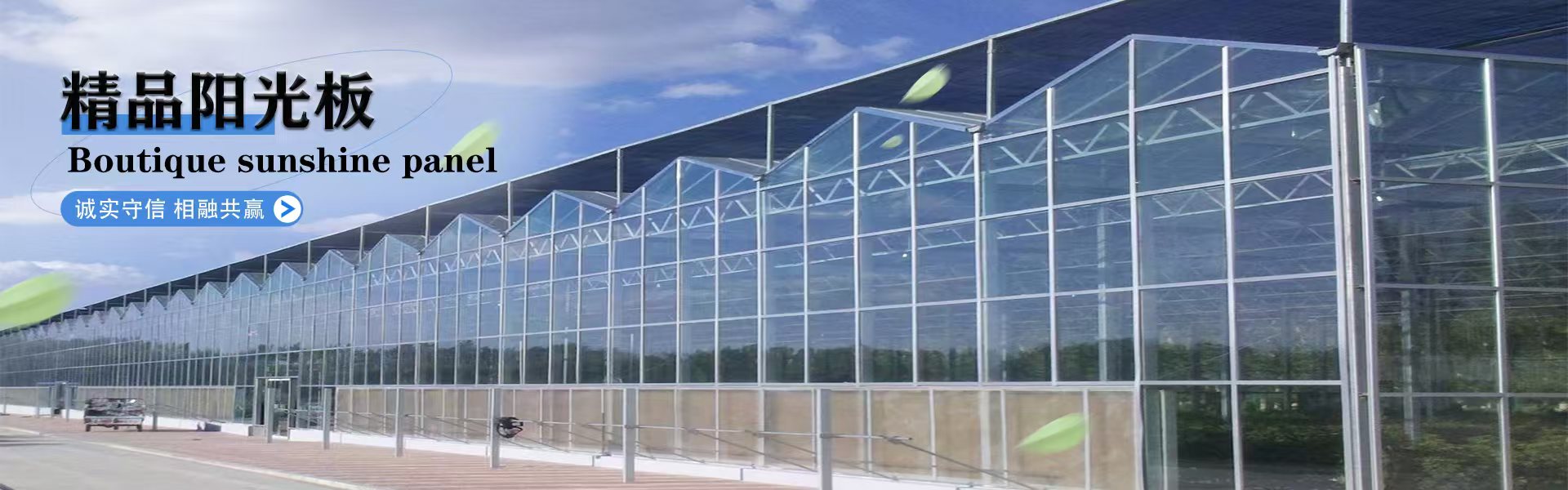
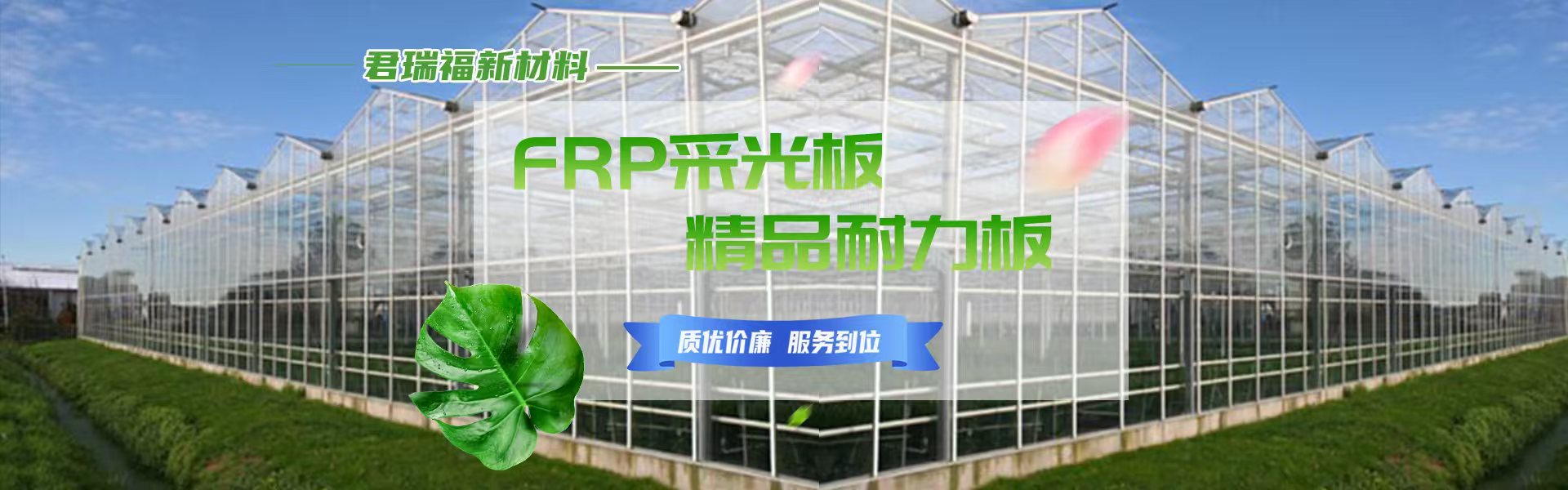
Translucent roof systems for greenhouse applications, allowing sunlight to pass through and provide the necessary light conditions for photosynthesis in plants. Their weather resistance and impact resistance protect greenhouses from adverse weather conditions. For instance, in flower-growing greenhouses, FRP translucent panels ensure an optimal growth environment for flowers.
Widely applied in areas such as light wells and ventilation skylights in industrial factories, it provides natural lighting for the interior, reduces lighting costs, and simultaneously improves the working environment. For instance, installing FRP skylights on the roof of a machinery manufacturing workshop makes the interior brighter, conducive to enhancing production efficiency.
Comparison with Polycarbonate Panels
Both offer good weather resistance, but FRP skylights may exhibit greater stability in extreme conditions, such as highly saline coastal areas or high-altitude regions with intense UV radiation. However, polycarbonate sheets can also have a long service life with proper use and maintenance.
FRP skylight panels are typically slightly less expensive than polycarbonate panels, making them more competitive in projects sensitive to cost. For instance, in the construction of skylight sections in large industrial buildings, the economic advantages of FRP skylight panels are particularly evident.
The impact strength of the polycarbonate panels is 250 to 300 times that of ordinary glass and 30 times that of acrylic sheets. In comparison, the impact resistance of FRP skylight panels is slightly inferior. However, in typical industrial and agricultural settings, the impact resistance of FRP skylight panels can still meet the requirements.
The light transmission rate of our polycarbonate sheets reaches up to 89%, while FRP skylight panels typically range between 60% to 85%. Our polycarbonate sheets excel in light transmission, making them the superior choice for areas with high light requirements, such as rare plant greenhouses in botanical gardens.
Installation and Maintenance
Regularly clean the surface of the FRP skylight panels to avoid dust and dirt affecting the lighting effect. Use mild cleaners and soft cloths for cleaning. Check the sealant's integrity; if any sealant is aging or damaged, replace it promptly. Also, observe the appearance of the skylight panels for cracks or discoloration; address any issues promptly to extend the lifespan of the panels.
When installing FRP skylight panels, pay attention to the direction of the panels, as they typically have a front and a back side. The front should face the direction of sunlight to ensure optimal lighting effects. Additionally, leave adequate expansion space, as the panels will also expand and contract with temperature changes. Generally, a gap of 2 to 3mm per meter should be allowed for expansion, and suitable sealing materials, such as neutral silicone sealant, should be used to ensure a good seal and prevent water leakage.

