

Most people differentiate between residential and commercial elevators solely based on size, assuming residential elevators are merely scaled-down versions of commercial ones. However, the differences between the two extend far beyond size, from functionality to technology.
Target Audience
Public elevators are widely used in places such as shopping malls, office buildings, and residential complexes. Residential elevators, on the other hand, are designed for private homes, intended for use within a single family.
2. Installation Requirements
Commercial elevators have high requirements for civil construction, while residential elevators demand high efficiency in hoistway utilization. The hoistway is the passage that accommodates the elevator's up and down movement, and lower utilization leads to greater space wastage.
3. Load Capacity
Public elevators can carry more passengers, with a general load capacity ranging from 500KG to 5,000KG. Residential elevators, due to fewer passengers, are required by regulations to have a load capacity of 400KG or less.
4. Operational Speed
Public elevators range from cargo elevators with speeds of 0.25m/s and 0.5m/s to high-speed elevators exceeding 10m/s. The speed spectrum is quite extensive. Residential elevator shafts have fewer floors, and to ensure safety in compliance with regulations, the speed is required not to exceed 0.4m/s.
5. Foundation Pit Construction
Public elevators must reserve a pit, which is equipped with shock absorbers, elevator stop switches, pit light switches, power outlets, and lighting. Residential elevators have smaller pits, which may not require a reserved pit, allowing for flexible construction.
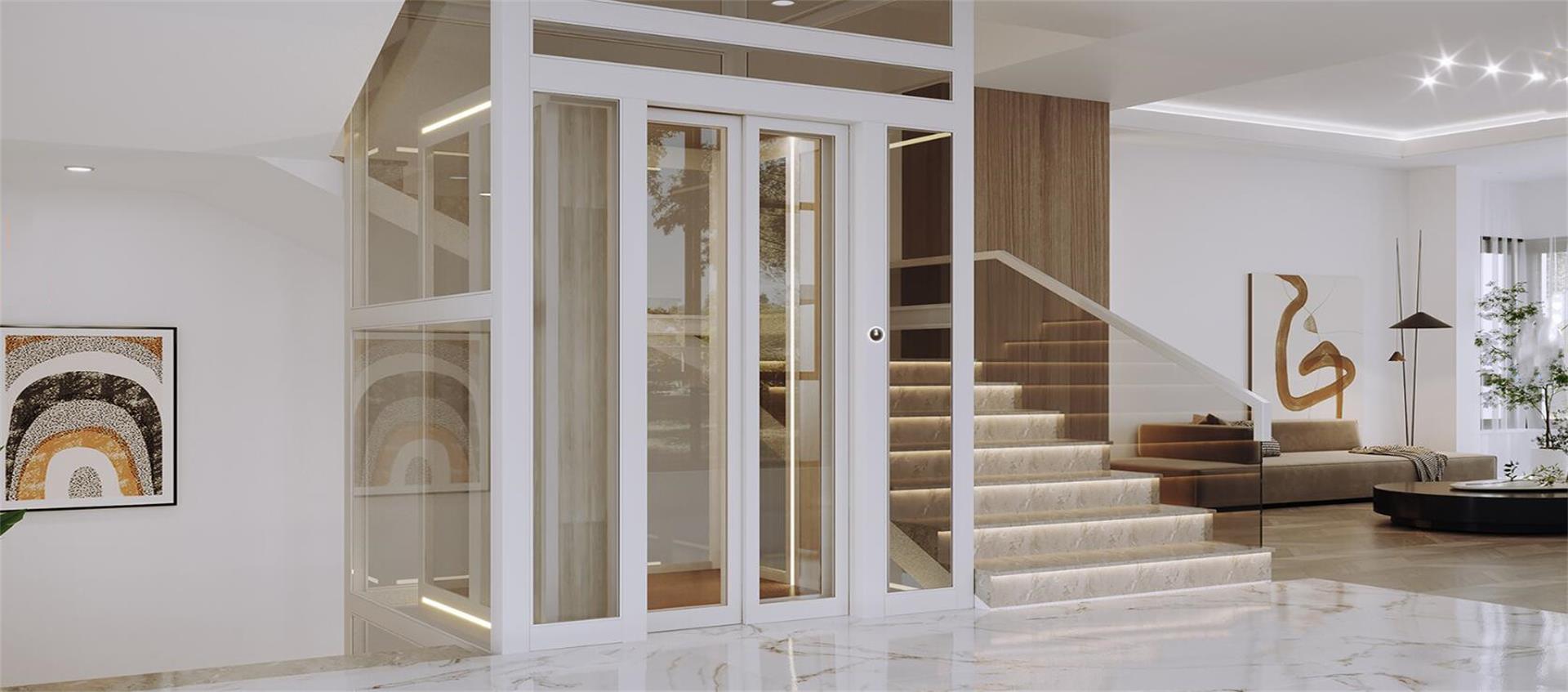
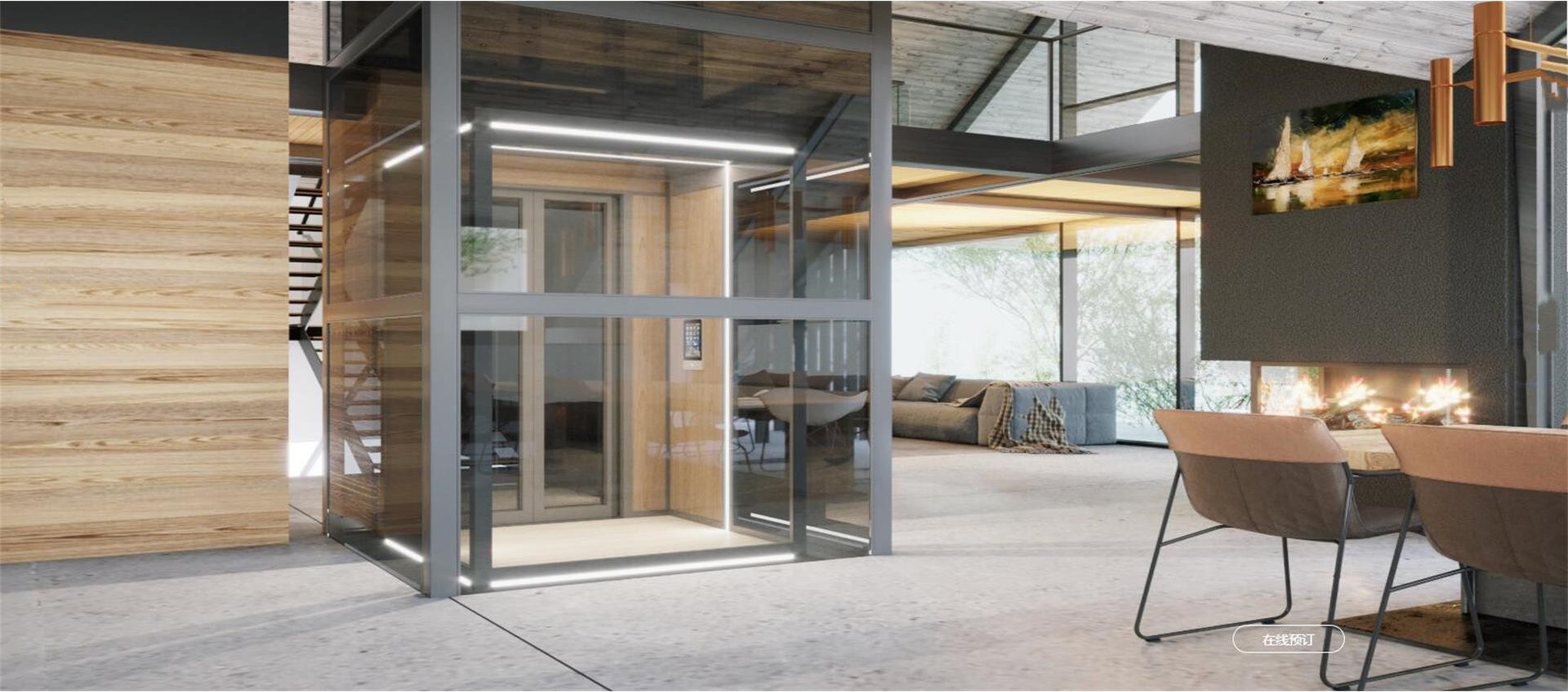
The YishuJia residential elevator is primarily designed for home use. Its initial design philosophy was to address the challenges faced by the elderly, individuals with disabilities, and young children in climbing stairs, as well as to reduce the incidence of accidents. It aims to ensure the safe and convenient mobility of the elderly, individuals with disabilities, and those using wheelchairs, always prioritizing customer safety.
Target Audience
Public elevators are widely used in places such as shopping malls, office buildings, and residential complexes. Residential elevators, on the other hand, are designed for private homes, intended for use within a single family.
2. Installation Requirements
Commercial elevators have high requirements for civil construction. Residential elevators demand higher efficiency in shaft utilization. The shaft is the passage that accommodates the elevator's up and down movement, and lower shaft utilization results in greater space waste.
3. Payload
Public elevators can carry more passengers, with a general carrying capacity ranging from 500KG to 5000KG. Home elevators, due to fewer passengers, are required by regulations to have a carrying capacity of 400KG or less.
4. Operational Speed
Our commercial elevators range from cargo elevators with speeds of 0.25m/s, 0.5m/s, up to high-speed models exceeding 10m/s. For residential elevators, with smaller shafts and fewer floors, safety regulations dictate that the speed should not exceed 0.4m/s.
5. Foundation Pit Construction
Public elevators must reserve a pit, which is equipped with shock absorbers, elevator stop switches, pit lighting switches, power outlets, and lighting. Residential elevators have smaller pits, and may not require a reserved pit, allowing for flexible construction.
The Yishu Jia Villa Elevator is primarily designed for residential use, with its initial design philosophy focusing on improving the accessibility for the elderly, individuals with disabilities, and children, as well as reducing the incidence of accidents. It aims to ensure safe and convenient mobility for the elderly, people with disabilities, and wheelchair users, always prioritizing customer safety.
