
公司主营:An integrated manufacturer specializing in the research, production, and sales of tents
400-0988-678


企业资质
How to Choose Disaster Relief Tents After an Earthquake
2024-01-24
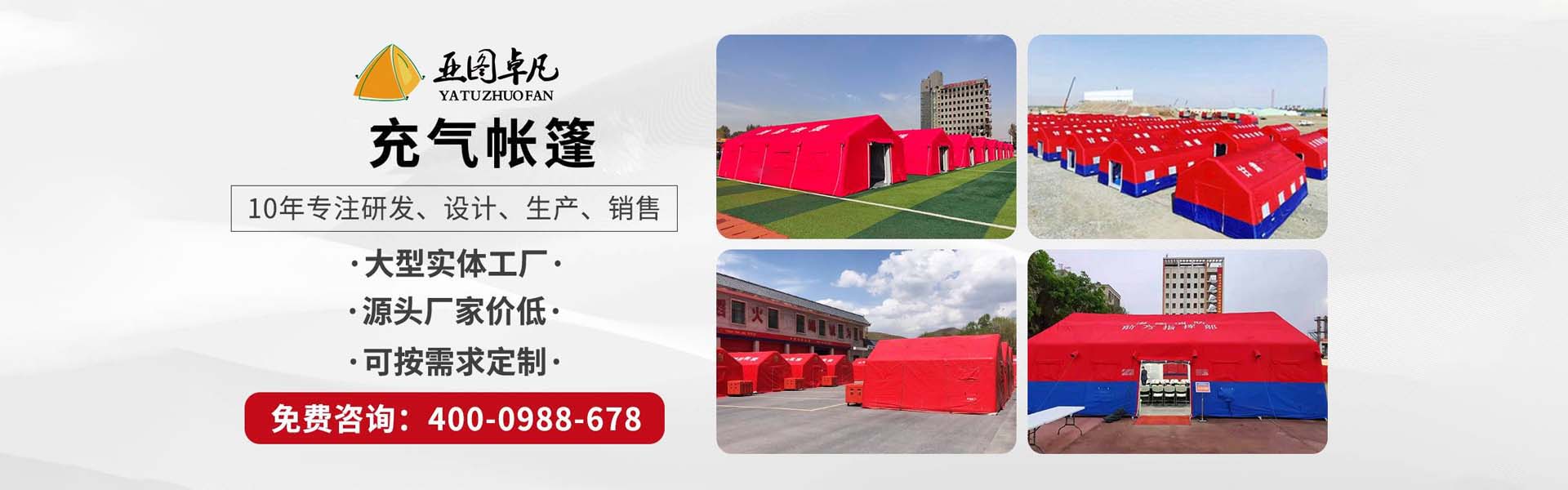
Relief tents are specifically designed as temporary housing to address natural disasters and other emergencies. Following events such as earthquakes, residents in affected areas may require immediate shelter, and relief tents provide a safe haven for them. Selecting the right relief tent is crucial to ensure the basic needs of disaster victims are met. So, how should one choose relief tents after an earthquake? Here are several suggestions for your reference:
Tent size and weight: Select the appropriate size and weight of tents based on the number of residents in the disaster area and their needs. Also, consider the ease of handling and transportation.
2.The Material and Structure of Tents: Disaster relief tents should have good waterproof, windproof, cold-resistant, and fire-resistant properties to ensure a safe and reliable shelter during natural disasters. The structure of the tents should be simple and sturdy, easy to set up and dismantle.
Ventilation Performance of Tents: The air circulation within a tent is crucial for maintaining comfort and hygiene of occupants. Therefore, when selecting emergency relief tents, consider their ventilation performance to ensure adequate air flow within the tent.
4. Special Tent Requirements: Depending on the rescue needs, there may be a requirement for specialized tents equipped with power outlets and lighting. These special needs should be considered when selecting a tent, and appropriate configurations should be made.
5. Tent Assembly and Usage: The assembly of disaster relief tents should be simple and straightforward for rapid deployment. Additionally, the use of tents should be convenient and safe, meeting the basic living needs of disaster victims, such as rest, food, and hygiene.
6. Tent Adaptability: Due to the potentially complex environment in disaster areas, relief tents should have good terrain adaptability, allowing them to be set up under various topographical conditions. Additionally, the tents should also possess excellent wind and rain resistance capabilities.
7. Tent Storage and Transportation: Emergency tents require frequent storage and transportation. Therefore, it is essential to choose tents that are easy to store and transport to ensure the timeliness and effectiveness of the rescue efforts.
张沅 (Mr.)
400-0988-678
18811169092
5th Building, 13th Floor, 1301, No. 5 Tianhua Avenue, Daxing District, Beijing
b2b.china9.net © Zhongshang 114 Hebei Network Technology Co., Ltd.Address: Room 6009, Oriental New World Center, No.118 East Zhongshan Road, Qiaoxi District, Shijiazhuang City, Hebei ProvincePlatform Service Hotline: 4006299930
