






详情描述
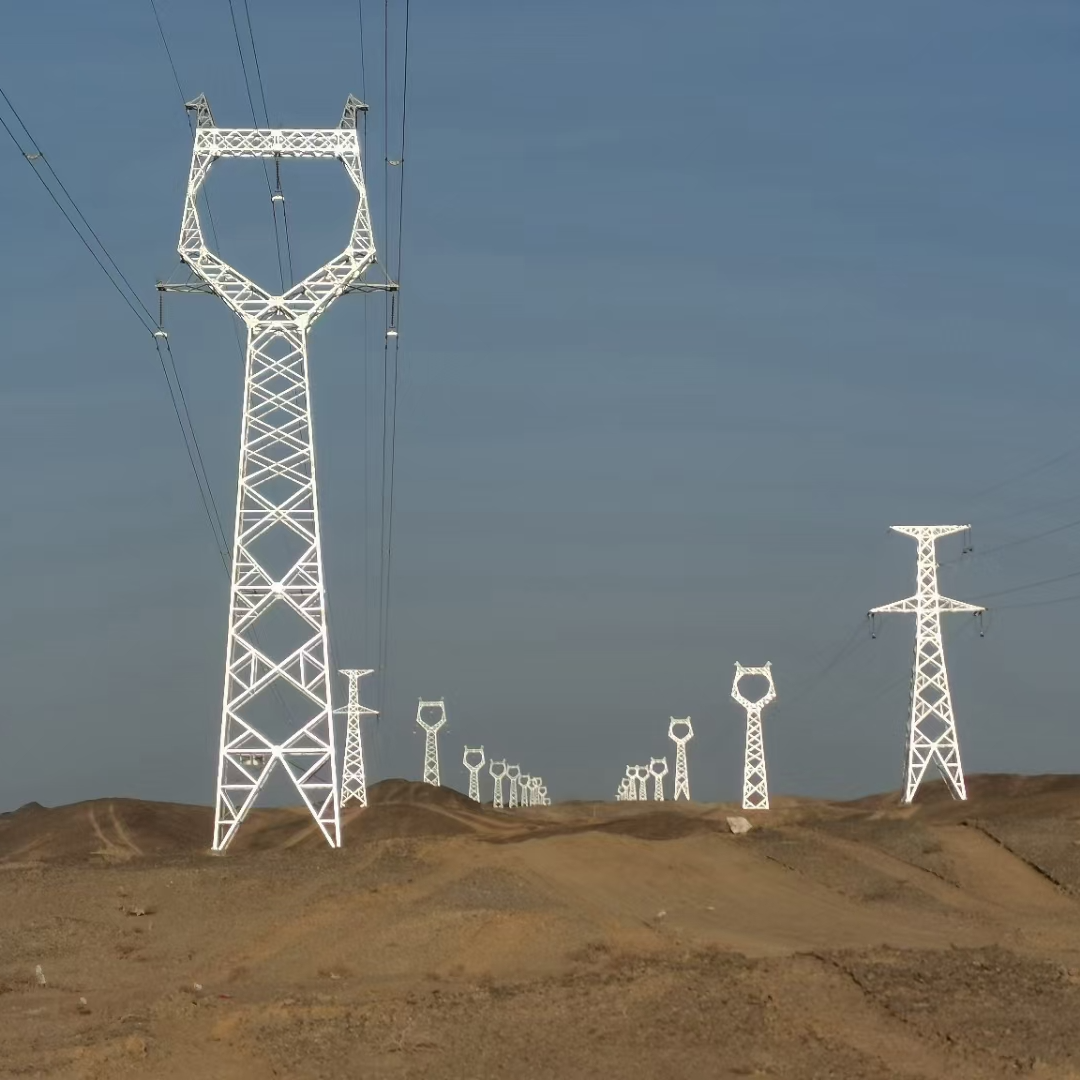
Transmission towers are the support points for overhead transmission lines. A single-circuit transmission tower is one with a single loop installed on it, while a double-circuit transmission tower has two loops installed. A single circuit refers to a loop where a load is powered by one supply source; a double circuit means the load has two supply sources. Generally, enterprises with high reliability requirements for power supply, or important substation areas, opt for double-circuit power supply to ensure that if one power source fails, the other can continue to supply power. However, for small and medium-sized users with lower reliability requirements, single-source power supply is typically used.
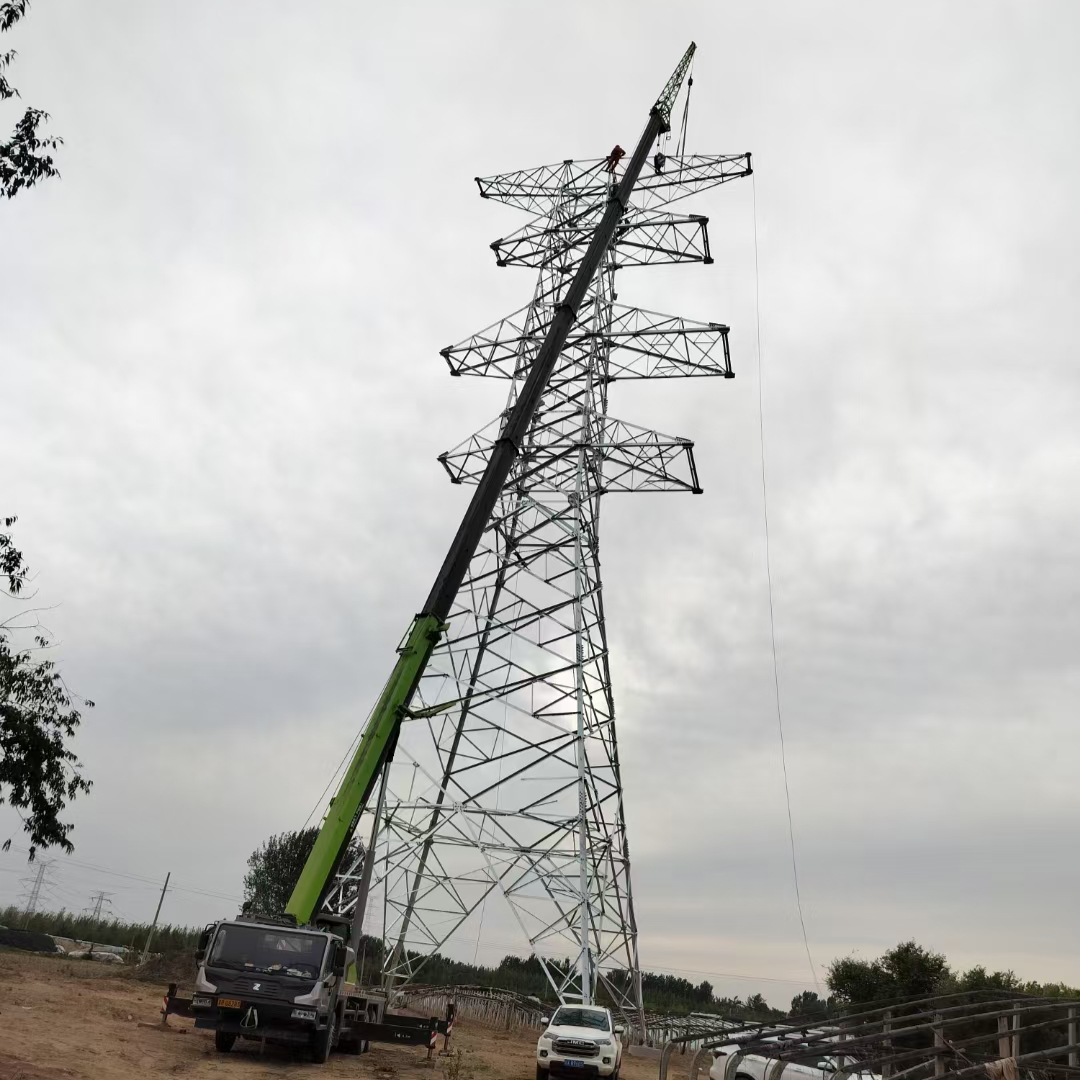
Our transmission tower materials mainly consist of hot-rolled angle steel with grades Q235 and Q345. Compared to advanced countries, the steel used in our transmission towers is more monotonous in material, with lower strength values and limited material options. With the continuous growth of China's electricity demand, and due to the scarcity of land resources and increased environmental protection requirements, issues such as the selection of transmission routes and the demolition of houses and facilities along the routes have become increasingly severe. This has led to the rapid development of large-capacity, high-voltage transmission lines, including multi-circuit lines on the same tower and higher voltage levels of AC 750kV, 1000kV, and DC ±800kV transmission lines. All these factors have made towers larger and the design loads on the towers heavier, making it difficult for commonly used hot-rolled angle steel to meet the requirements of heavy-load towers in terms of both strength and specifications.
Large-load tower structures can utilize combined cross-section angle irons, but these have higher wind load coefficient, a variety of member quantities and specifications, complex node construction, and require numerous connecting and structural plates, making installation intricate, significantly increasing construction investment. Steel tube towers have drawbacks such as complex construction, difficult-to-control weld quality, low production efficiency, high material and processing costs, and substantial investment in processing equipment.


