


An integrated lift station refers to the integration of the pump station with the control system and other related equipment, achieving automated and intelligent management and operation. Through an integrated lift station, the following objectives can be achieved:
Enhance operational efficiency: Integrated pump stations can automatically monitor and adjust the operational status of water pumps, implementing intelligent control based on real-time parameters such as water level and flow rate, thereby improving the efficiency and performance of the pumping station.
2. Energy Conservation: The integrated pump station can flexibly control the operation of the pumps according to demand, ensuring optimal performance and reducing energy consumption.
3. Enhance operational safety: Integrated pump stations can incorporate monitoring and alarm systems, enabling real-time monitoring of the pump station's operation and equipment status. This allows for the timely detection and handling of anomalies, ensuring the safe operation of the pump station.
4. Reduce O&M Costs: Integrated pump stations enable remote monitoring and operation, reducing the workload and expenses of on-site personnel, and lowering O&M costs.
In summary, an integrated pump station can achieve operational efficiency, low energy consumption, safety, and stability through intelligent management and operation, while also reducing maintenance and operation costs.
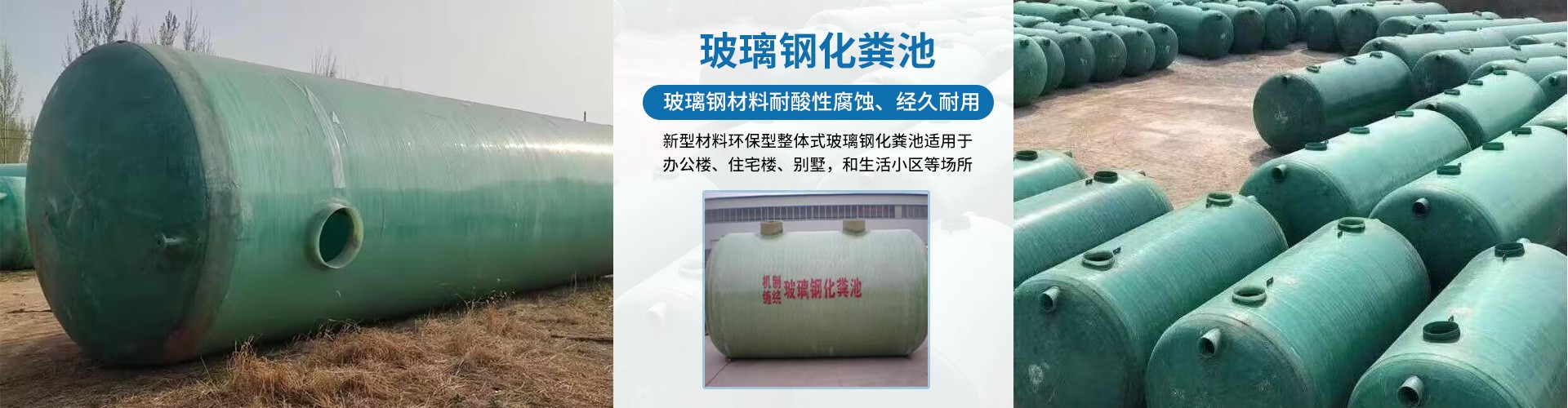
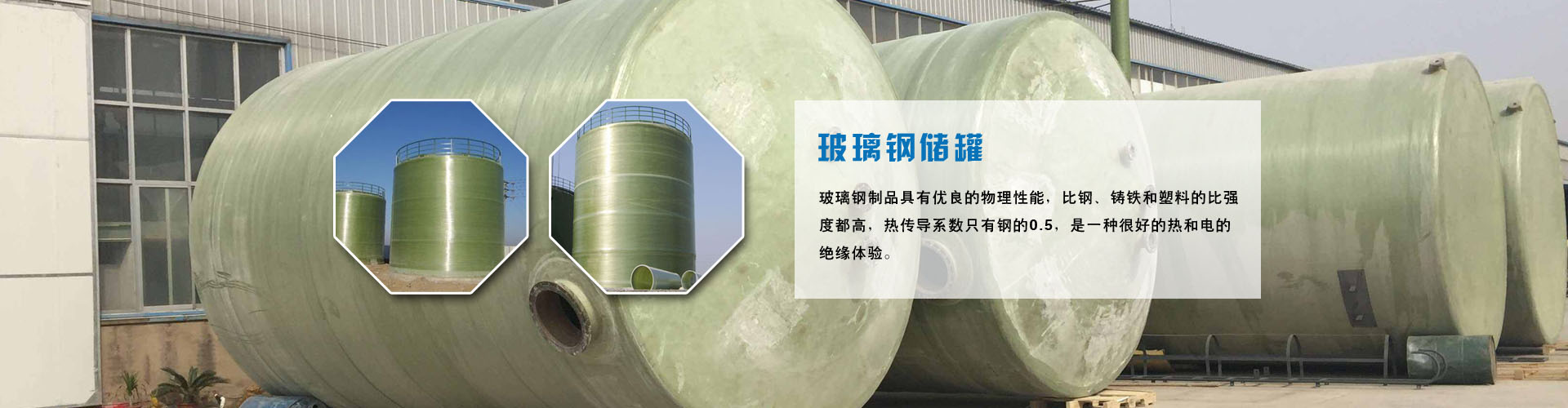
A fiberglass-reinforced plastic integrated lifting pump station is a packaged pump station that combines pumps, pipelines, valves, and other equipment. Compared to traditional pump stations, the fiberglass-reinforced plastic integrated lifting pump station offers enhanced functions such as:
1. Compact Structure: The glass fiber reinforced plastic integrated lift station is designed as a single unit, integrating pumps, pipes, valves, and other equipment into one overall structure, resulting in a more compact design and reduced land area.
2. Lightweight: Glass fiber reinforced plastic material offers excellent strength and rigidity while being relatively lightweight. This makes the glass fiber integrated lifting pump station lighter in weight, facilitating transportation and installation.
3. Corrosion-Resistant: The glass fiber material boasts excellent corrosion resistance, capable of withstanding the侵蚀 of general corrosive mediums, ensuring the long-term service life of the pump station.
4. Pressure Resistance: Glass fiber materials exhibit excellent pressure resistance, capable of withstanding high pressure, thereby enhancing the efficiency and performance of the pumping station.
5. Easy Maintenance: The glass-fiber reinforced plastic integrated lifting pump station features a simple overall structure, easy maintenance, and is more convenient to clean and repair.
In summary, the fiberglass reinforced plastic integrated lift station, through optimized station structure and material selection, enhances the station's functionality and performance, and improves its corrosion resistance, pressure resistance, and ease of maintenance in critical aspects.
An integrated precast pump station is a pump station that integrates liquid treatment and transportation equipment into a single overall structure. It features the following functions:
Pumping Liquids: An integrated pre-fabricated pumping station uses built-in pumps to transport liquids such as clean water, wastewater, drinking water, and industrial effluents. It can transfer liquids from one location to another, meeting the requirements of the pipeline system.
2. Storage of Liquids: Integrated prefabricated pump stations offer liquid storage capabilities. They are equipped with dedicated liquid storage rooms or containers for temporary storage, ensuring a readily available supply at any time.
3. Filtration of Liquids: Integrated prefabricated pump stations are typically equipped with filtration systems to remove solid particles, impurities, and contaminants from liquids. This enhances the quality of the liquid and protects the normal operation of pipelines and equipment.
4. Flow Control: An integrated prefabricated pumping station regulates and controls fluid flow through its built-in control system. It can achieve a stable fluid flow as needed, ensuring the smooth operation of the pipeline system.
5. Inspection and Maintenance: Integrated prefabricated pump stations are typically equipped with sensors for level, pressure, and temperature to monitor and detect the liquid's condition. They also come with maintenance facilities such as manholes and inspection wells for convenient maintenance and repairs.
In summary, an integrated precast pump station features functions such as pumping, storing, filtering, controlling flow, and monitoring maintenance of liquids, and can be widely applied in urban water supply, wastewater treatment, and industrial production.
A fiberglass pump station is a device used for pumping liquids or compressed gases, widely applied in industries such as water treatment, petrochemicals, electricity, and metallurgy. The main functions of a fiberglass pump station include the following aspects:
1. Liquid Transfer: Glass-fiber reinforced pump stations are primarily used to transfer liquids from lower levels or storage containers to higher levels or process equipment, facilitating the transportation and supply of liquids. They can handle media such as clean water, wastewater, and chemical liquids.
2. Compressed Gas: Some fiberglass pumping stations also feature compressed gas capabilities, which can compress gas from a low-pressure area to a high-pressure area and transport it through pipelines to where it's needed. This feature is suitable for situations that require compressed gas for process operations or transmission.
3. Recirculating Cooling: The glass fiber pump station can also be used in a recirculating cooling system, drawing the cooling medium back into the recirculation system to maintain stable system temperatures. The operation of the pump facilitates the flow of the cooling medium, achieving the effect of temperature reduction.
4. Wastewater Treatment: Glass-fiber Reinforced Plastic (GRP) pumping stations can serve as effluent treatment facilities. They can extract wastewater or sewage from the wastewater or sewage pond and transport it to the treatment facilities for processing.
5. Fire Extinguishing Water Supply: Fiberglass pumping stations are often used as water supply equipment for fire protection systems, providing sufficient pressure and flow through the station to meet the water requirements during a fire.
In summary, the main functions of the FRP pump station include liquid transfer, gas compression, circulation cooling, wastewater treatment, and fire-fighting water supply, among others. Depending on various application scenarios and requirements, the FRP pump station can achieve a multitude of different functions.
An integrated precast pumping station combines pumps, electrical control equipment, piping, and other components into a single, unified pumping system. Its features mainly include the following aspects:
1. Compact Structure: The integrated precast pump station combines all components in a single housing, making it relatively smaller in volume, space-saving, and compact. This compact design allows the pump station to be conveniently installed in smaller sites or locations with less favorable conditions.
2. Easy Installation and Transportation: The integrated pre-fabricated pump station is fully assembled and debugged during manufacturing, making the installation process straightforward and reducing on-site construction time and labor costs. Another advantage is its ability to be transported as a whole unit, minimizing the risk of component loss or damage during transit.
3. Automation Control: The integrated pre-fabricated pump house utilizes an automated control system with remote control and automatic monitoring capabilities, enabling intelligent operation and management of the pump station while reducing labor input.
4. Easy Maintenance: The integrated pre-fabricated pump station is easy to maintain, with all components housed in one unit for centralized management and maintenance. Additionally, daily maintenance and inspections of the equipment are more straightforward, reducing maintenance costs.
5. Energy-Saving and Eco-Friendly: The integrated precast pumping station utilizes energy-saving technologies, effectively reducing energy consumption. It also consciously considers environmental protection requirements during design and manufacturing, minimizing water source and noise pollution.
In summary, integrated precast pump stations feature compact structure, easy installation, convenient transportation, automated control, simple maintenance, and environmental protection with energy-saving characteristics, thus gaining increasing applications and recognition.
Glass fiber reinforced plastic integrated lifting pump stations have a wide range of applications and can be used in the following scenarios:
Wastewater Treatment: The fiberglass reinforced plastic integrated lifting pump station is suitable for wastewater treatment plants, sewage pipelines, and municipal wastewater treatment fields.
2. Drainage and Sewage Disposal: Suitable for urban drainage, industrial wastewater, agricultural field drainage, embankment sewage disposal, etc.
3. Rainwater Collection: Suitable for urban rainwater collection, stormwater detention, and rainwater utilization scenarios.
4. Water Supply System: Suitable for urban water supply, industrial water supply, and agricultural irrigation applications.
5. Construction Engineering: Suitable for scenarios such as basement drainage, wastewater drainage, and municipal engineering projects.
In summary, the fiberglass integrated lift station is suitable for various fields and projects involving drainage, water supply, and wastewater treatment.
Glass-Fiber Reinforced Plastic (GRP) Pump Station Manufacturer
