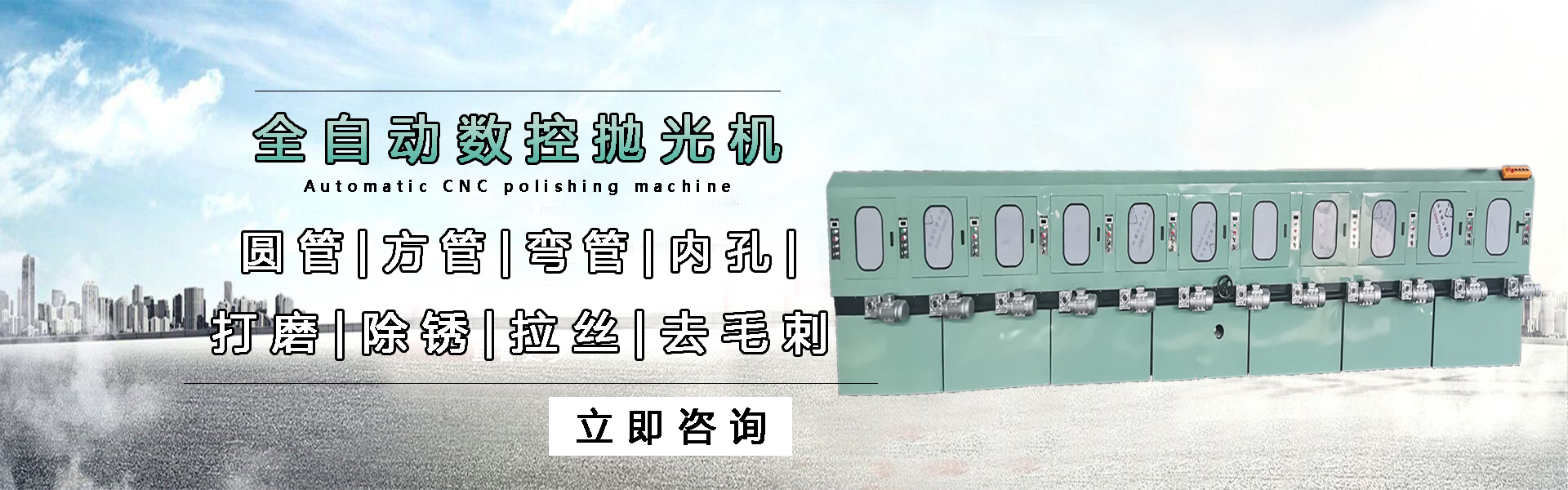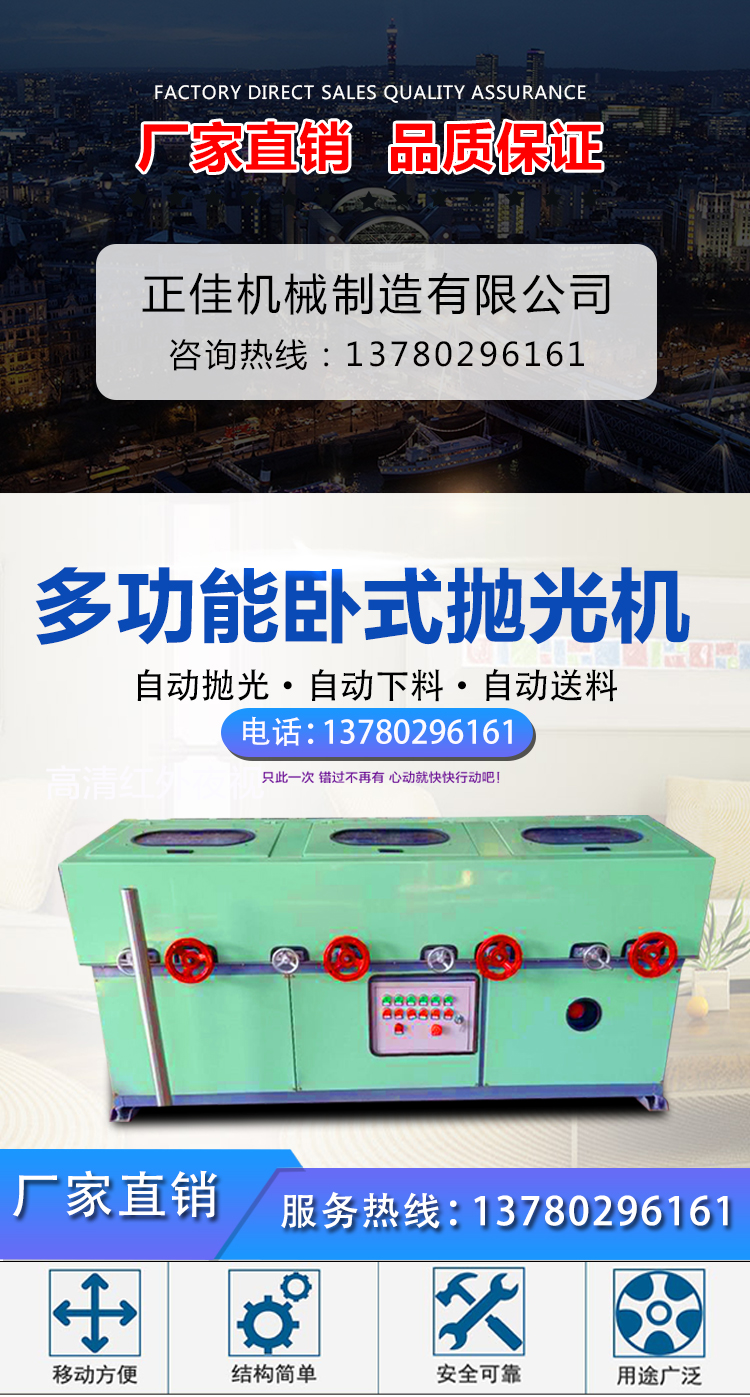
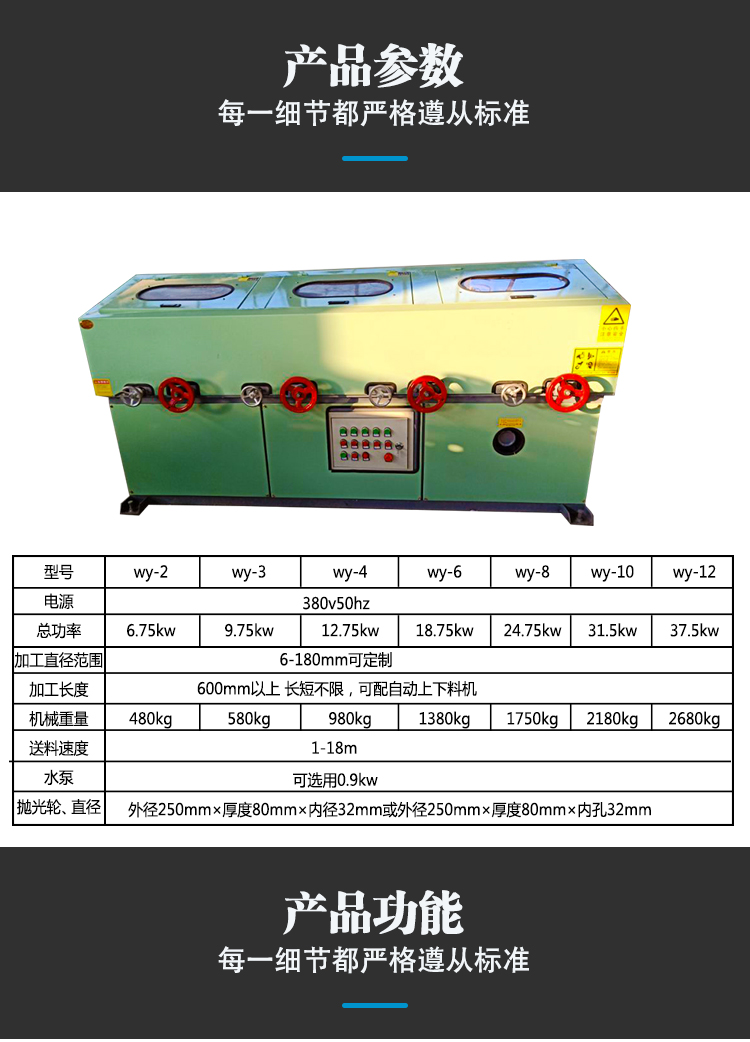
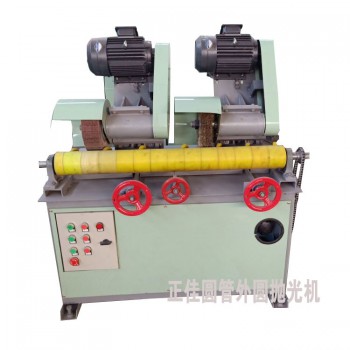
Purpose of the External Round Polishing Machine
The external polishing machine is primarily used in industries such as hardware manufacturing, vehicle accessories, steel and wood furniture, instrumentation machinery, standard parts, and electroplating before and after treatment. It is the ideal choice for polishing round tubes, rods, and slender shafts. The workpieces processed by the round tube polishing machine have high luster without affecting their original dimensions, making them particularly suitable for the high-luster polishing of workpieces after centerless grinding.

The ZJ series non-centerless cylindrical polishing machines (grinding machines) were independently developed by our technical team in response to market demands in 2001. They are easy to operate, featuring the option of various grinding tools. This machine is primarily used in industries such as hardware, electroplating, steel and wood furniture, standard parts, automotive and motorcycle accessories, etc. It is suitable for the polishing and grinding of outer surfaces of various shafts, rods, and pipe sections; ultra-long stainless steel tubes, boiler tubes, high-precision tubes, titanium alloy bars; hydraulic rods for construction machinery, shock absorber rods for cars and motorcycles, valve rods, oilfield sucker rods; various metal和非metal rods, pipes, plastics, rubber tubes, spinning machine rods, and various types of wire materials.

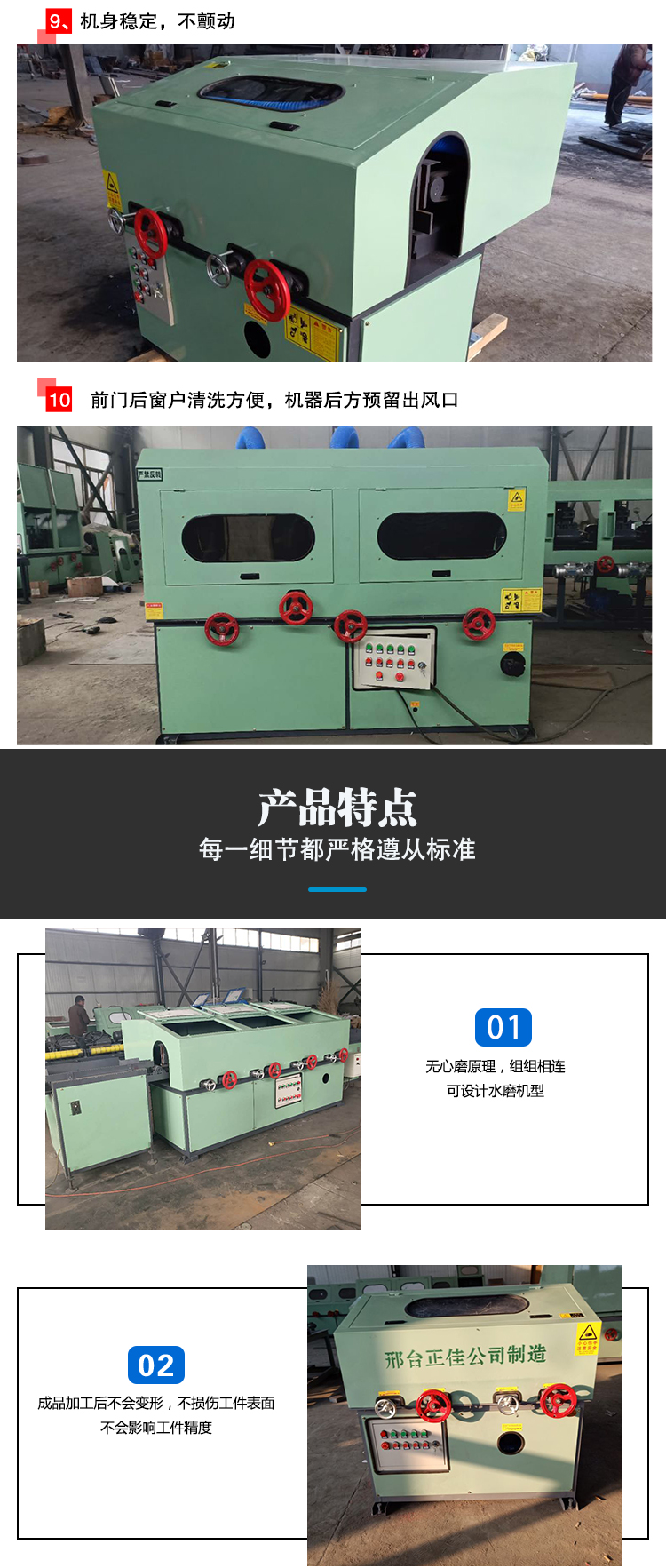
Features of the External Round Polishing Machine
The round tube polishing machine boasts high work efficiency, excellent surface roughness of workpieces, and stable performance. The machine features variable frequency control for the guide wheel speed (optional), ensuring optimal processing efficiency for workpieces of varying diameters and lengths.


Usage and Maintenance of External Round Polishing Machines
1. Place the workpiece into the track first.
3 Lock the track to incline it at a certain angle (the greater the angle, the faster the workpiece will advance).
Engage the lead screw motor and move the grinder head onto the workpiece if the forward speed is appropriate.
5 If threading occurs, it indicates a faster forward speed; accordingly, slightly reduce the incline angle of the track.
During rough polishing, reduce the speed of the guide roller. For fine polishing, increase the speed of the guide roller appropriately.
Check the lubricating oil level in the reducer regularly.
Check for any noises or slight movements inside the grinding head regularly.




 Bend Tube Polishing Machine
 Automatic Deburring and Polishing Machine for Seamless Steel Tubes, External Diameter Mirror Polishing Machine, Sheet Metal Deburring
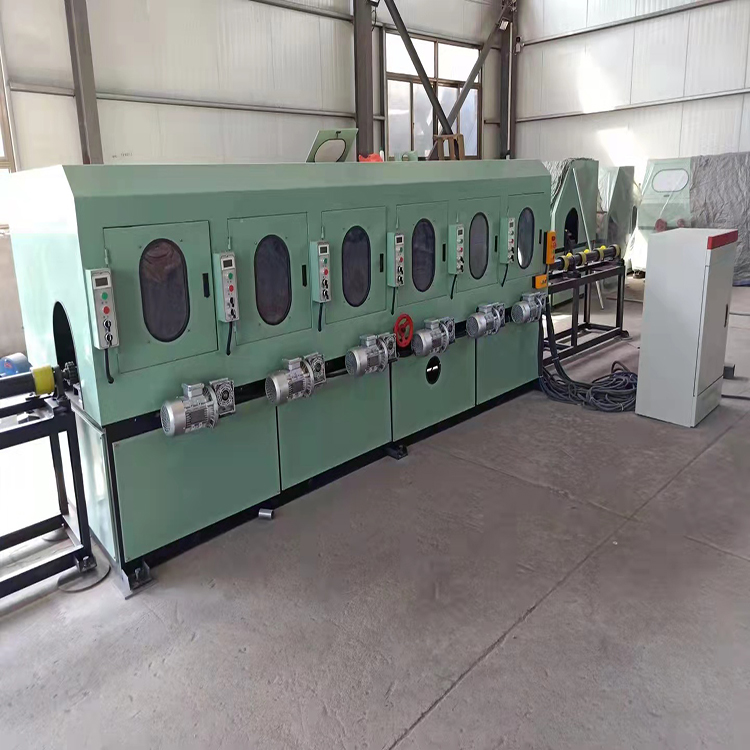 Water-jet polishing machine with environmental protection features
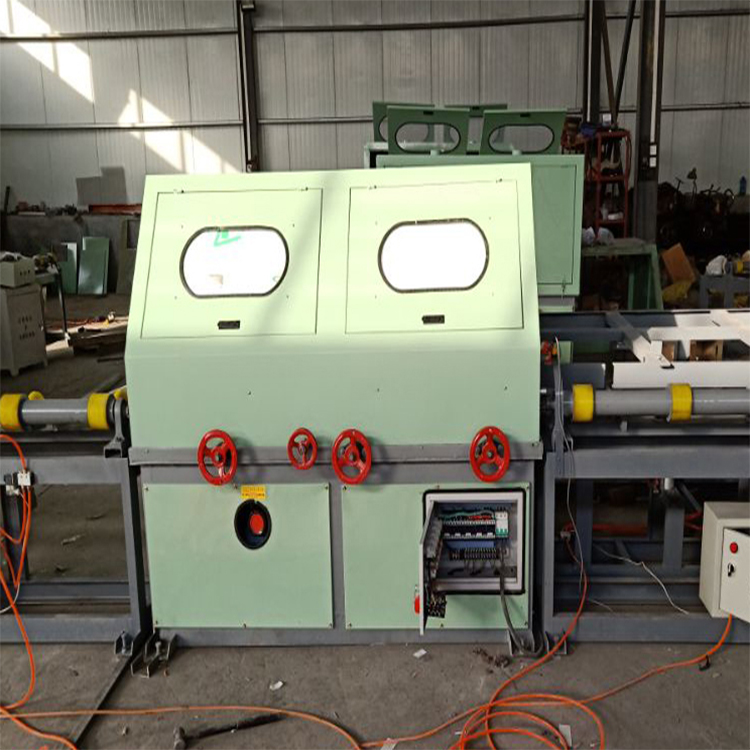 Polishing Machine for Outside Diameter of Stainless Steel Tube
 Internal Bore Polishing Machine
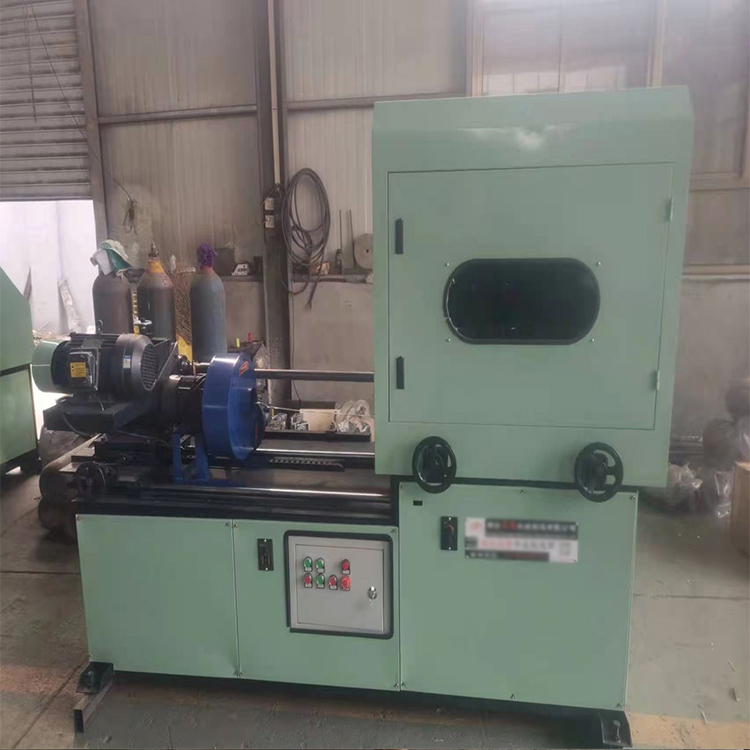 Internal Bore Polishing Machine
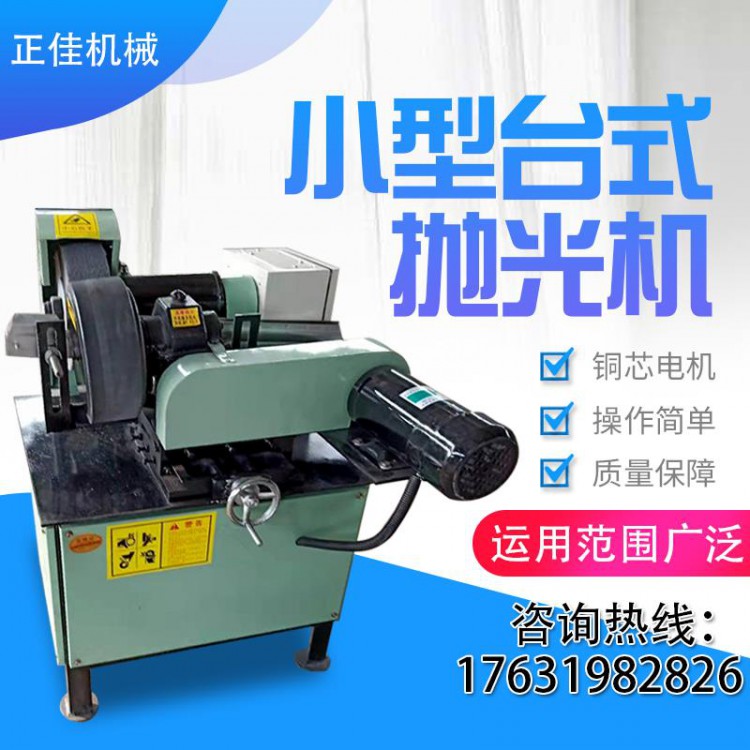 Polishing Machine for Stainless Steel Elbow Pipes, Variable Speed Polishing Machine, Automatic Round Pipe Polishing Machine
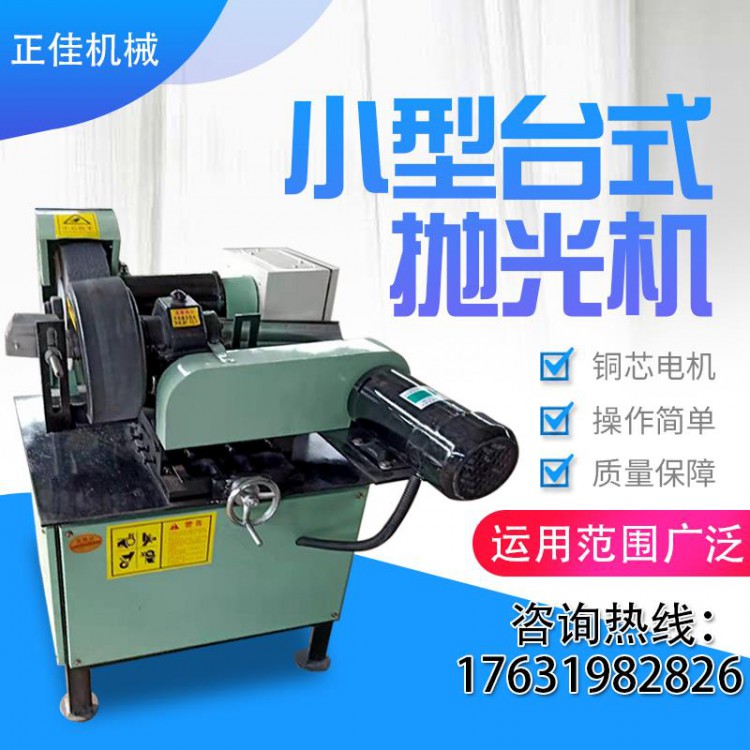 Automatic Polishing Machine, Vertical Round Tube External Diameter Polishing Machine
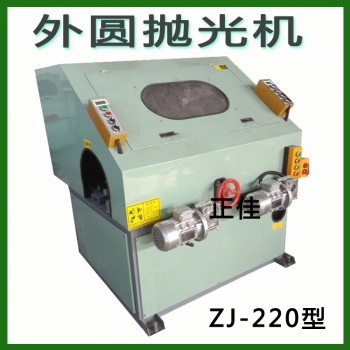 Large Diameter External Diameter Polishing Machine, Small Eco-Friendly Polishing Machine
 Round Tube External Polishing Machine