


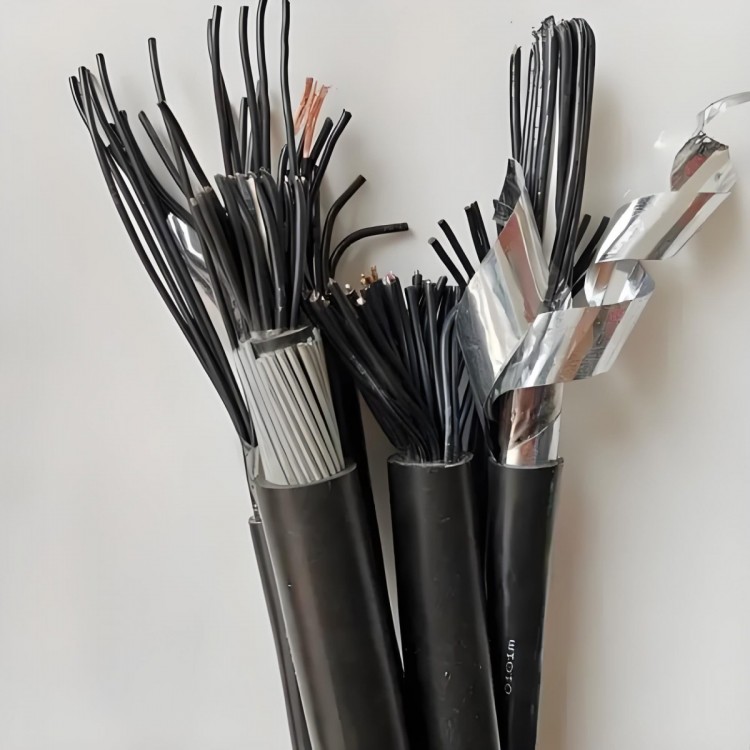
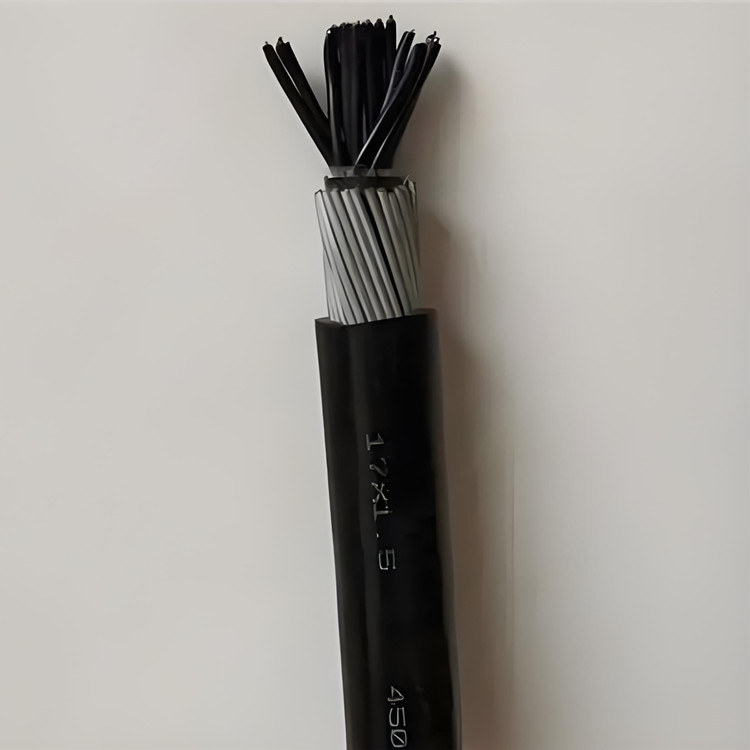
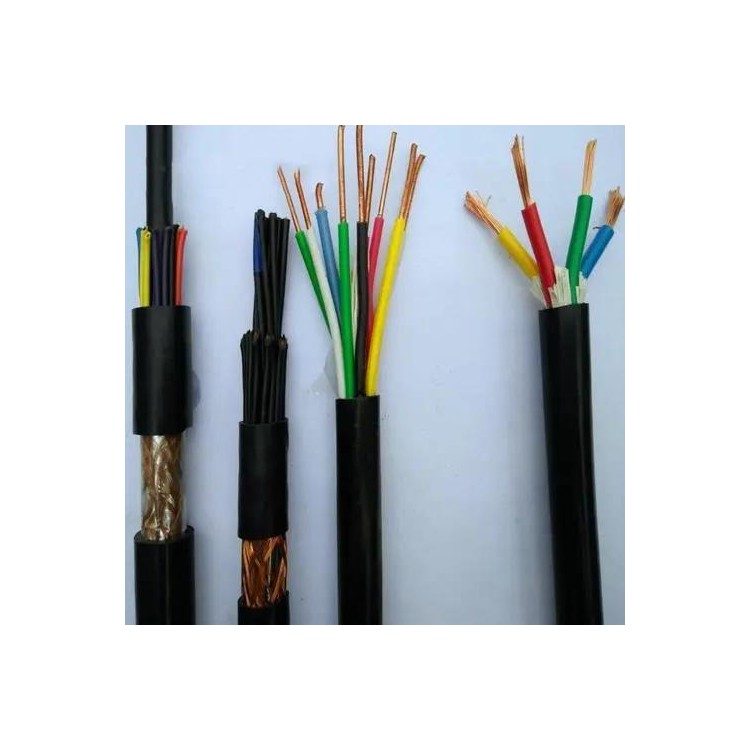
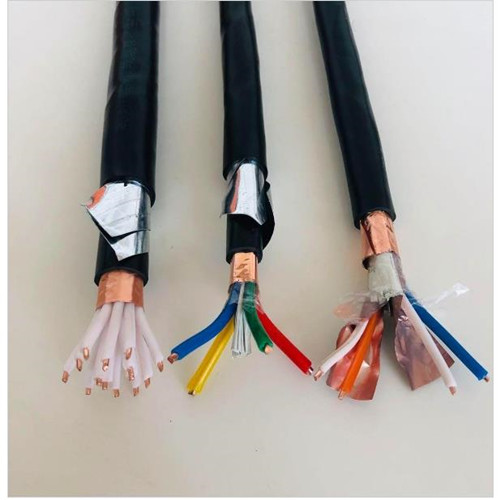
Mining屏蔽Control Cable, MKVVP2 Cable, Mining Control Cable
Model | Name | Specs | Application |
MKVV | Copper-core polyethylene insulated, polyvinyl chloride sheathed, flame-retardant mining control cable | (2-14)*(4-6) (2-61)*(0.75-2.5) | Laid in indoor environments, within cables, pipelines, and other fixed installations |
MKVV22 | Copper-core polyethylene insulated PVC sheathed steel tape armored flame-retardant mine control cable | (7-61)*(0.75-1.5) (4-14)*(4-6) | Laid indoors, within cables, pipelines, or directly buried, capable of withstanding significant mechanical external forces for fixed installations. |
MKVV32 | Copper-core polyethylene insulated PVC sheathed steel wire armored flame-retardant mining control cable | (2-61)*(0.75-2.5) (4-14)*(4-6) | Laid indoors, within cables, pipelines, directly buried, or suspended, capable of withstanding significant tensile forces for fixed installations. |
MKVVP22 | Copper-core polyethylene insulated polyvinyl chloride sheathed woven屏蔽steel tape armored flame-retardant control cable for coal mine use | (4-14)*(4-6) (4-61)*2.5mm2 | Laid in high-magnetic field rooms, cables, pipelines, directly buried, or suspended, capable of withstanding significant tensile forces for fixed installations. |
MKVVRP | Copper-core polyethylene insulated, polyvinyl chloride sheathed, woven屏蔽, flame-retardant control flexible cables for coal mines | (4-61)*(0.5-2.5) (4-37)*(1.5-2.5) | Laid in fixed locations such as within high magnetic field rooms, cables, pipelines, etc. |
MKVV cables, MKVVP cables, MKVVP2 cables, MKVV22 cables, MKVV32 cables, MKVVR cables, MKVVRP cables, MKVVP22 cables, etc., flame-retardant control cables for coal mines, recommended conductor counts: 2, 3, 4, 5, 7, 8, 10, 12, 14, 16, 19, 24, 27, 30, 37, 44, 48, 52, 61 cores
Rated Voltage: 450/750V
2. The length of the cable conductor allows for a working temperature of 70 degrees Celsius.
3. The laying temperature of the cable should not be below 0 degrees Celsius, with the recommended permissible bending radius.
4. The bare cable should not be less than 6 times the diameter of the cable's outer circumference.
5. Cables with armor or copper braid shielding should be at least 12 times the diameter of the cable's outer circumference.
6. The flexible cable with a shielding structure should not be less than 6 times the outer diameter of the cable.
