
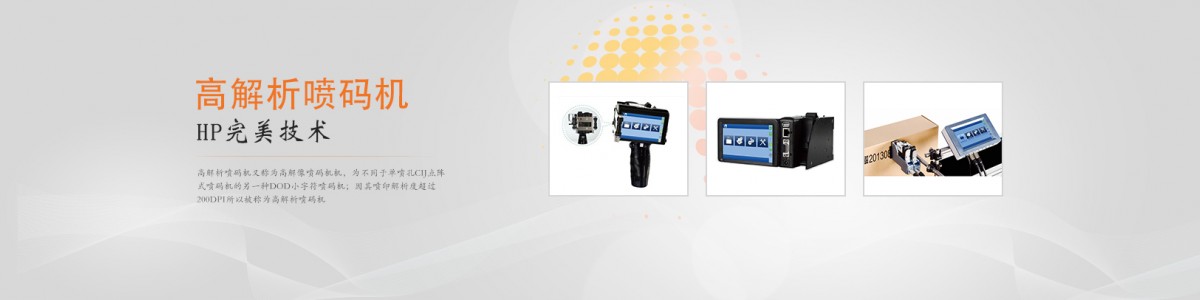
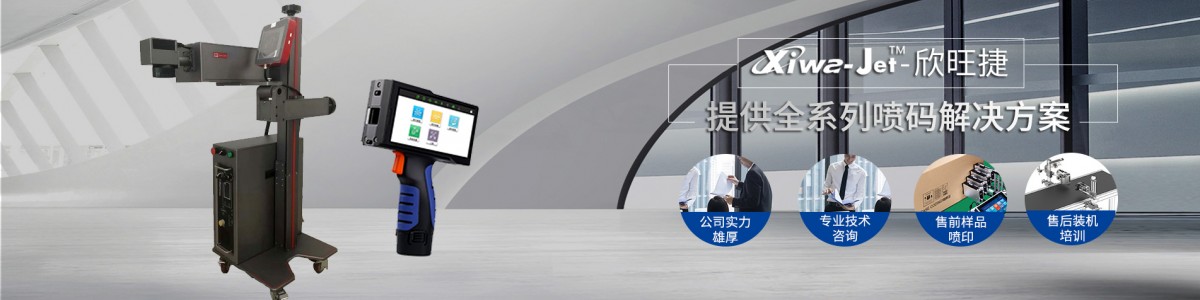
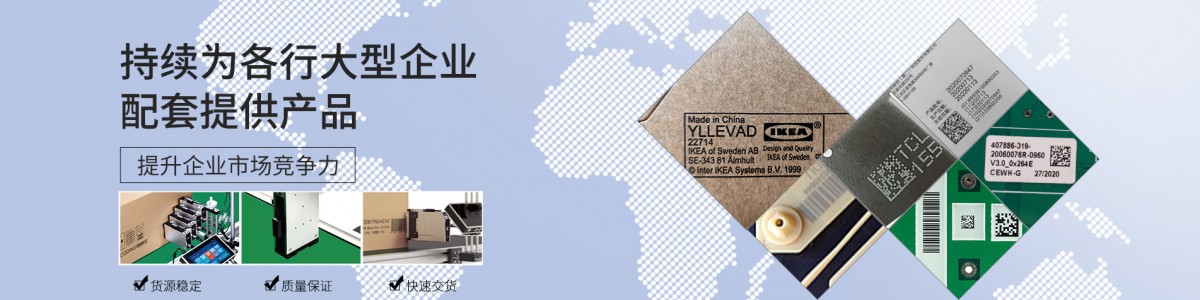

Affordable, easy-to-operate, and feature-richHandheld Inkjet PrinterUnderstanding the functional positioning of the handheld inkjet coder is crucial for clients. With this understanding, we can quickly determine if the coder is suitable for their factory and the products they produce, and whether it can efficiently and effectively carry out product marking tasks.
I. Handheld Inkjet Printer Working Principle and Operation Precautions
As a portable marking device, its basic functions are all standard. Multiple types of content, including production date, expiration date, batch number, logo patterns, and variable serial numbers, can be directly edited through the handheld device's built-in touch screen. What you see is what you get, making it extremely convenient and intuitive for users to understand and operate.
The handheld inkjet coder has a relatively large market share due to its wide customer base. This is attributed to its integrated nozzle ink cartridge design, which is easy to replace, making it more compact, flexible, and reliable. Additionally, it offers a variety of ink types.
One of the application features of handheld printers is their exceptional flexibility and portability, allowing for single-handed operation throughout the entire printing process. They are also easy to use, simply press the button and quickly move along the direction needed to print on the product.
1. Employing the spray printing method, this single-handed operation offers high portability, though it has a relatively low efficiency, requiring constant manual intervention to maintain production capacity, making it less suitable for large-scale work. Additionally, when selecting the material for spray printing, handheld machines are more suitable for coding on flat surfaces like paper, cardboard, and wood, which have larger spray areas. During the printing process, the machine must be very close to the product, approximately within 5mm, and in contact with the product surface to allow the sprocket wheel to rotate, thereby enabling the coding. This differs significantly from inline spray coding for small characters.
2. Post-Use Costs. Handheld inkjet coders do not require solvents or cleaning agents, resulting in significant savings compared to small-character printers, although they are more expensive and have a higher procurement cost.
3. Varying Product Types Selection: Choosing the correct ink model based on material helps us save costs and avoid unnecessary expenditures, while also ensuring the product label is more durable, clear, and aesthetically pleasing. Handheld oil ink's slow drying time is a common issue, even quick-dry ink requires several to tens of seconds to completely dry, and it can be affected by factors such as the material's permeability and weather humidity.
Regarding handheld inkjet coders, some customers may mistakenly recognize them as large character inkjet coders. This notion is incorrect. Handheld printers typically print at heights of 12mm to 60mm, which distinguishes them from large character handheld inkjet coders. These are two different types of marking equipment with different properties and working principles, and they differ significantly. When purchasing and placing orders, one must pay close attention to the model and category information to prevent errors.
