
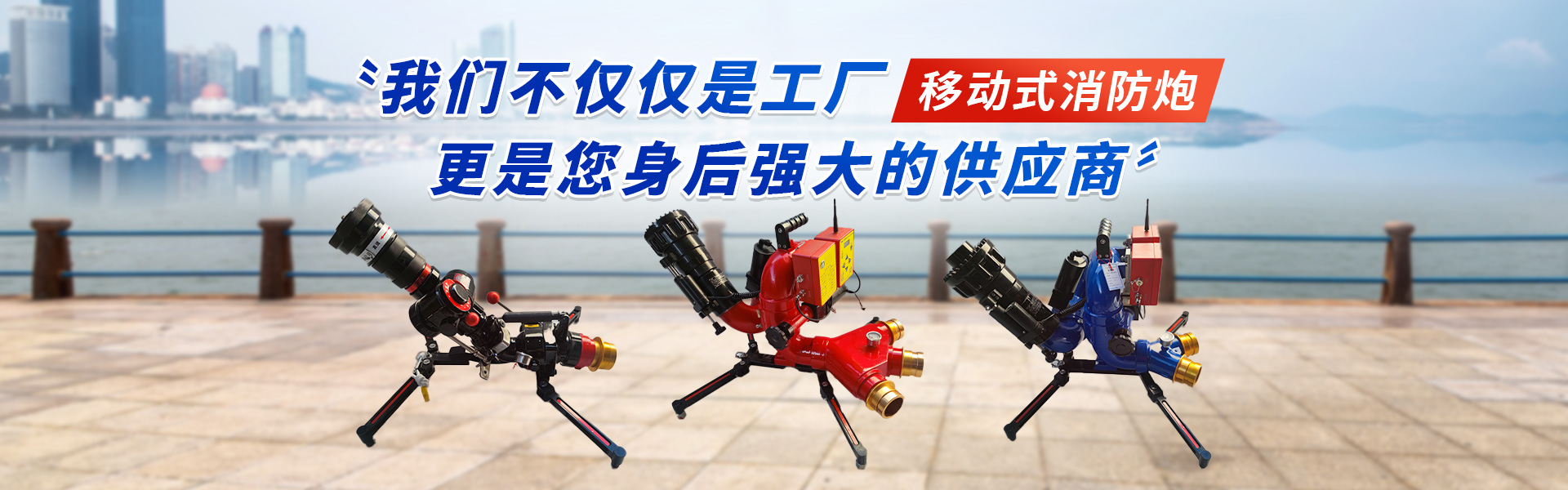



A fire tower is a tower structure fixed in a specific location, designed for installing fire guns and other fire-fighting equipment, playing a crucial role in fire fighting operations.
Application Scenarios: Fire monitor towers are primarily used in petrochemical enterprises, oil depots, refineries, storage tank areas, large cargo yards, docks, and other locations with high fire risks and expansive areas, as well as in urban large-scale buildings, convention centers, sports venues, and other places requiring high-altitude fire fighting operations. In these settings, fire monitor towers can effectively extinguish large-scale fires or fires at elevated heights.
Structure Composition: Mainly consists of tower frame, rotating body, gun mount, fire engine, platform, ladder, guardrails, etc. The tower frame provides support, the rotating body allows the fire engine to rotate horizontally, the gun mount installs the fire engine, the platform allows operators to stand and operate and monitor, and the ladder and guardrails ensure safe ascent and descent as well as operation.
Operation Steps:
Preparation: Inspect the integrity of all fire monitor components, ensure the fire monitor, valves, pipes, etc. are functioning properly, and check that the water supply and foam liquid supply systems are securely connected with normal pressure.
- Activate Gun Turret: Power on and start the power system of the fire suppression turret, putting the turret into an operable state.
Adjust cannon position: Operate the control device to horizontally rotate and tilt the fire cannon, aiming the cannon mouth at the fire source location.
- Jet Fire Extinguisher: Open the corresponding valve based on the type of fire and select the appropriate extinguishing agent (such as water, foam, etc.) for喷射. Adjust the jet angle, flow rate, and pressure in real-time according to the fire intensity during the process.
- Monitoring and Adjustment: Operators closely monitor the fire's progression and the effectiveness of extinguishing efforts on the platform. They adjust the fire cannon's direction, angle, and flow parameters as needed based on the situation to ensure the efficiency of the firefighting operation.