


 通过中商114认证
Many schools, to make full use of space, provide dormitory beds that are bunk beds. Bunk beds are not only convenient to use but also easy to install, making them highly suitable for places with a large number of people, like schools. So, what are the standard dimensions for school bunk beds? Let's find out together with the editor below.
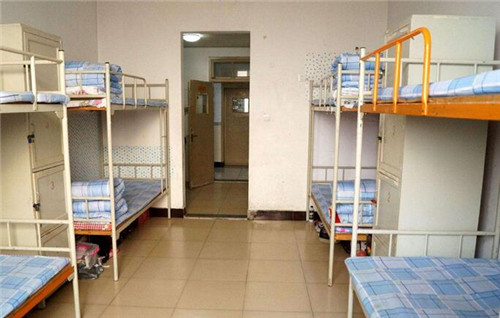
What are the standard sizes for bunk beds in schools?
Bunk beds save dormitory space, thereby reducing accommodation costs, making them commonly used in schools and various units. However, bunk beds have limited space, and the top bunk requires a ladder, posing some risk. Therefore, families using bunk beds should never allow young children to sleep in the top bunk, as they tend to be restless and roll around, increasing the risk of falling.
2. At various colleges and residential junior and senior high schools, the dormitories provided to students are typically quite small, and each room must accommodate around 4 to 8 people. As a result, many schools opt to install bunk beds to maximize space savings.
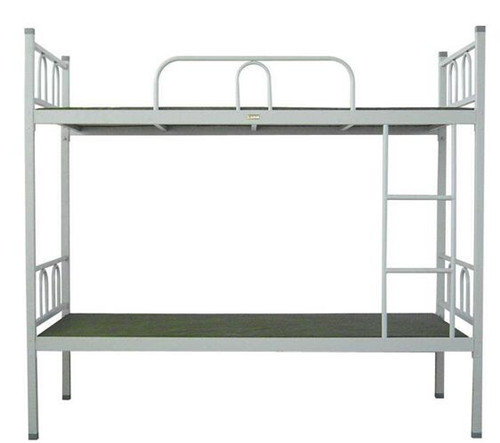
3. The bunk beds in the school are single-size, and the bed dimensions typically adhere to specific standards. However, different schools can choose from various options, such as four different lengths for the bunk beds: 180cm, 186cm, 200cm, and 210cm. The standard widths for the bunk beds generally include 90cm, 105cm, and 120cm, among others.
The two standard sizes for school bunk beds commonly used are: 180cm in length by 90cm in width and 180cm in length by 85cm in width, respectively.
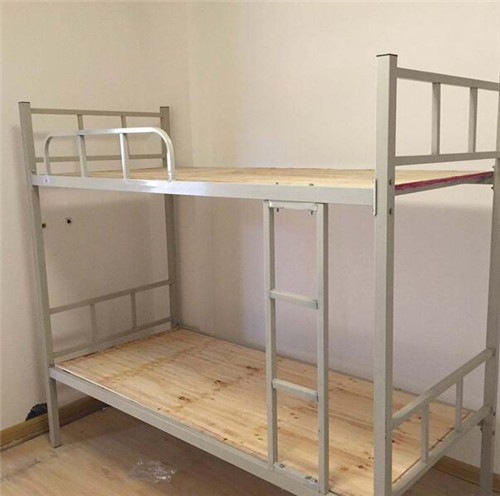
5. School bunk beds are typically made of steel, offering single upper and lower beds, with prices ranging around $260 to $360. The cost may vary depending on the size of the bed. Steel bunk beds feature an iron frame and solid wood multi-layer compressed boards for the bed slats. They are secured with screws, making them relatively sturdy upon assembly.
6. The quality of steel bunk beds on the market varies greatly, primarily differing in the thickness of the bed frames, which typically ranges from 0.8mm to 1.5mm. However, some schools opt for more expensive wooden bunk beds, which are less chilly in winter compared to the steel ones.
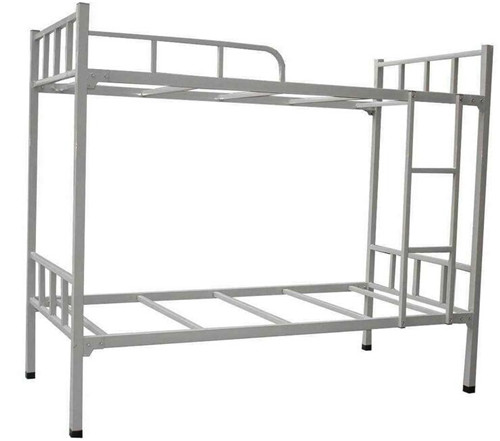
When moving into a school dormitory, it's important to find out the dimensions of the bunk beds. This will help you determine what size bed nets, curtains, pillows, and other items to purchase. This is a detailed introduction to the standard sizes of bunk beds in schools, hoping it will be helpful to everyone.
