
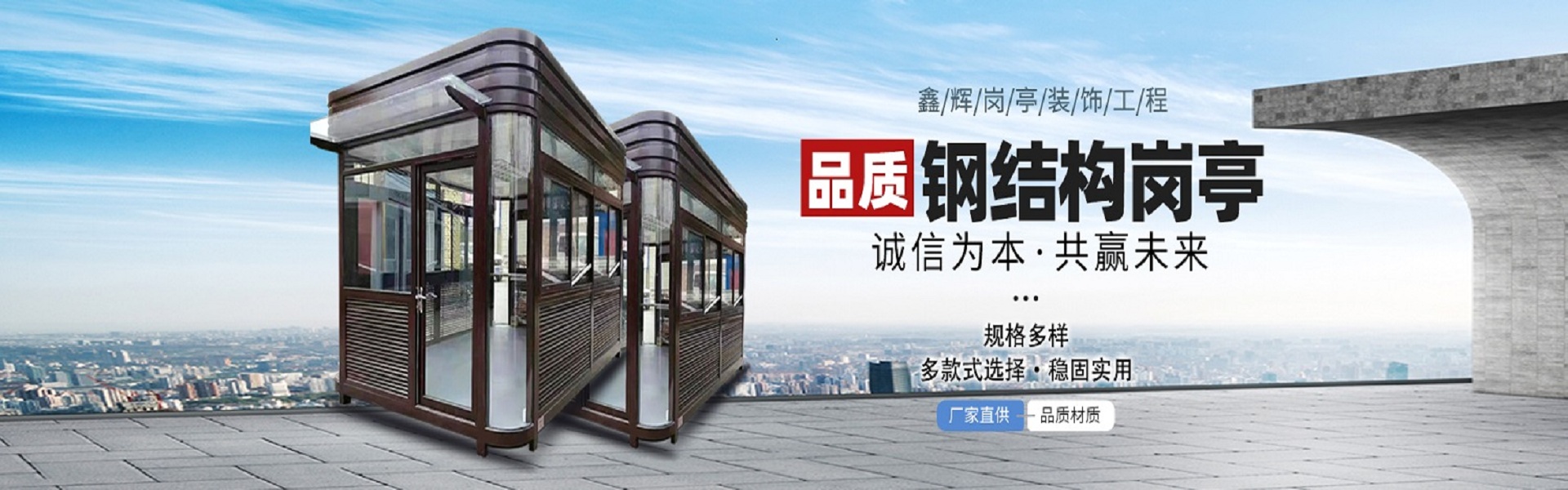


Outdoor kiosks are typically used outdoors, but it's inevitable that they may accumulate scratches, dings, or stains. How should we address and deal with these stains? Next, let's follow...Stainless Steel BoothManufacturers, let's get together to learn.
To prevent the accumulation of process smoothing agents, by-products, or debris, it is necessary to:Stainless Steel BoothScratches and other rough surfaces on machinery are no longer subject to mechanical cleaning. The approach we take is to cease the addition of abrasives or manually grind using equivalent techniques for treatment. Stands may be visible before or during the manufacturing process.Stainless Steel BoothSurface rust indicates severe contamination. The handling method involves cleaning off the rust before the equipment is put into use. The thoroughly cleaned surface can be inspected through iron tests or water tests.
The disposal of organic substances like oil and grease, such as oil, grease, or fingerprints, can act as sources of partial corrosion. These substances can act as barriers, affecting the effectiveness of chemical and electrochemical cleaning processes, thus necessitating thorough cleaning. When removing adhesive from tape or maintenance paper, a portion of the adhesive may remain on the surface of the stainless steel.
Before the adhesive fully hardens, we can remove it using an organic solvent. Over time, the adhesive can harden into a sticky substance, acting as a腐蚀 source for gap corrosion. In such cases, we need to use fine abrasives to stop mechanical cleaning, which may require significant human and material resources.
How should we choose a booth? Firstly, we must examine their qualifications. Due to the chaos in the booth market, many booth manufacturers lack the proper credentials; before selecting a cooperative manufacturer, it is crucial to verify whether they have complete qualification proofs; or possess comprehensive qualifications, which is the foundation for consumer trust.
Next is the material. Nowadays, there's a wide variety of materials used in manufacturing kiosks, including wood, stainless steel, aluminum alloy, steel structures, and light steel frames, among others. Regardless of the material, consumers must ensure that there are no issues with the material, such as scratches on the appearance or uneven paint surfaces, when making their selection.
Then it's about the craftsmanship. A reputable kiosk manufacturer excels in the handling of details, such as the finish around the edges or center. Is it uniform? Does the thickness meet the required standards? These are all aspects that need to be checked according to the request.
