
 100-200 mesh casting sand
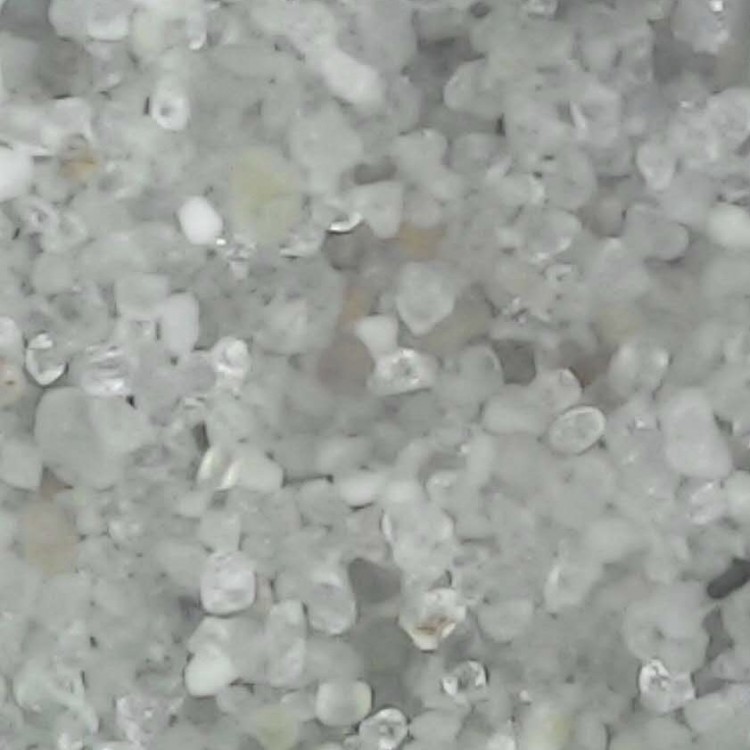 100-200 mesh dried sand, available for customization according to customer requirements.
 70-140 mesh calcined sand, available for customization as per customer requirements.
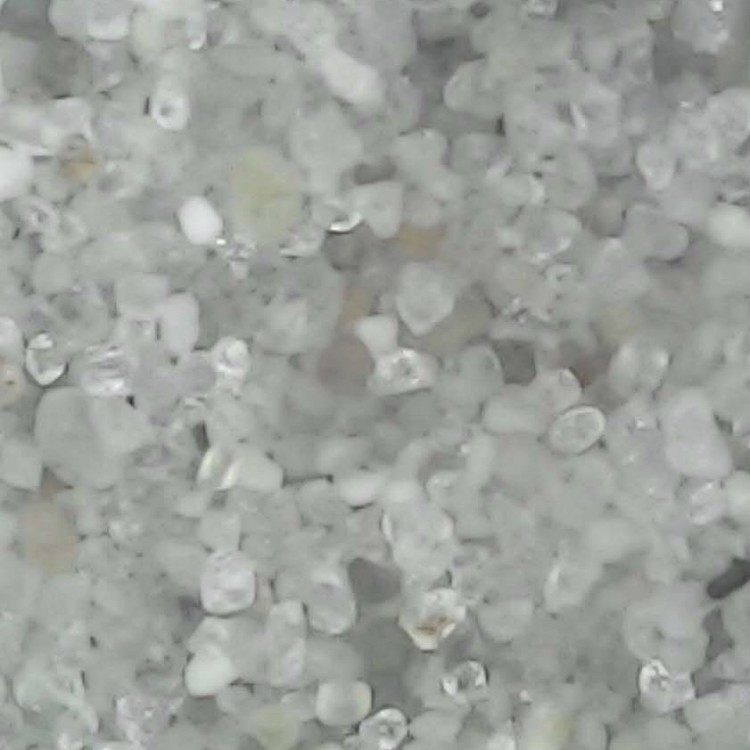 100-200 mesh washing sand, available for customization as per customer requirements.
 70-140 mesh washed sand, available for customization according to customer requirements.
 Washing Sand, 40-70 mesh, available for custom order as per customer requirements.
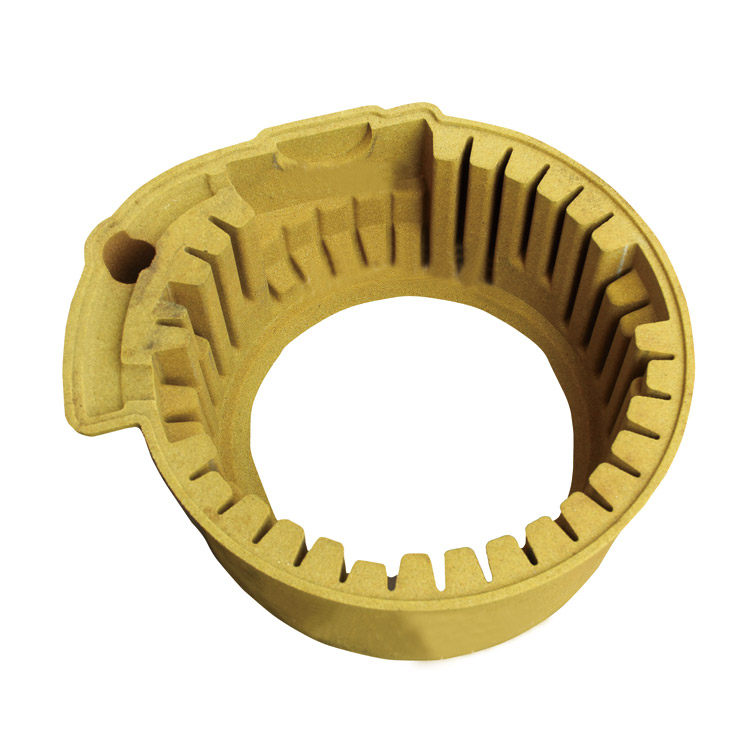 Coated Sand Manufacturer - Customizable to Customer Specifications
Product Details




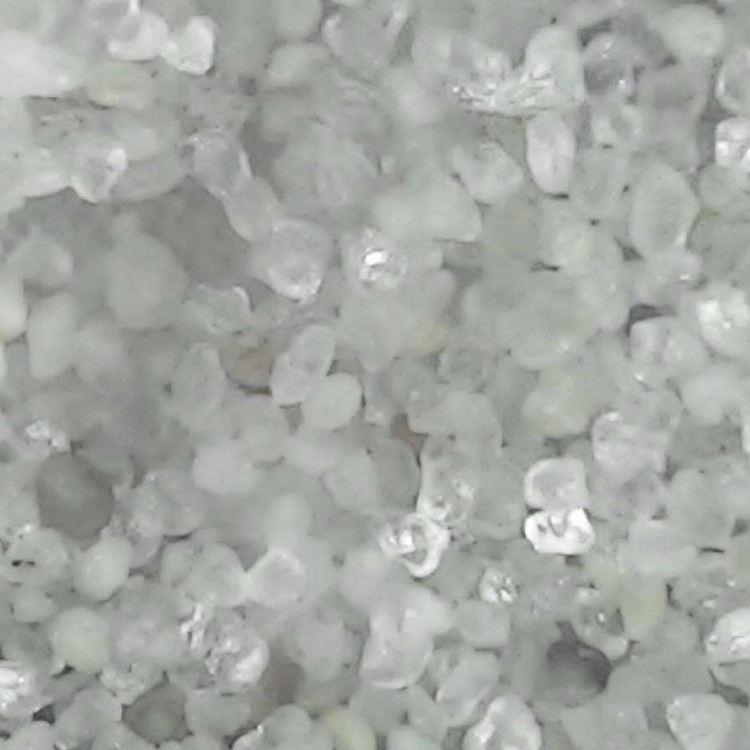

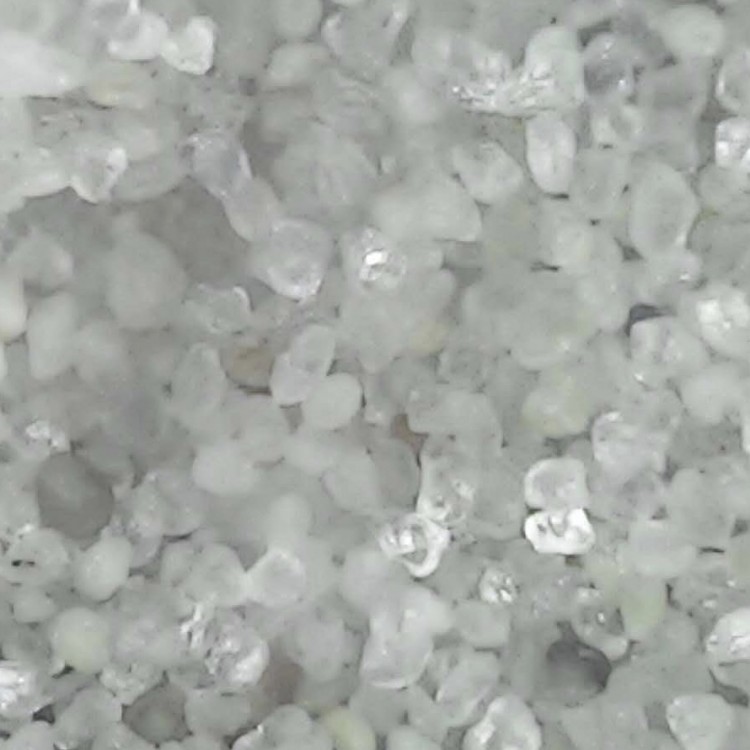
产品Price Negotiable
最小起订Quantity:10 ton 供货总Quantity: 1000 ton


Burn-off loss less than |
|
Moisture content less than |
0.3% |
Sintering point higher than |
1400°C |
The crucial aspect of dry and surface-dry sand molding is the control of the drying process. After each application of water-based graphite paint, the surface-dry sand mold must be naturally dried (e.g., 24 hours) or oven-dried before applying the next coat. Large, thick cast iron pieces often require 2 to 3 coats of paint. The drying temperature of the sand mold is listed in Table 3. After drying, the depth of the dry layer on the sand mold is generally over 50mm, and the core's dry layer is even deeper. Names include sand molds with wood shavings, sand cores with organic binders. Drying temperatures: 350-400°C, 300-360°C, 250-300°C. Reuse of old sand and performance control indicators. Just as with green sand, dry sand and surface-dry sand require regular monitoring and adjustment of the total mixed content, effective bentonite content, and pH level of the used sand. This ensures the proportion of new to used sand is optimized for consistent sand and core properties. The total mixed content should be controlled to less than 16~18%. Xing Tai Casting Sand Manufacturer offers in-stock supply of various sand types including dried sand, coated sand, baked sand, and scrubbed sand. Available specifications include 40-70 mesh, 50-100 mesh, and 70-140/100-200 mesh. Bulk orders can also be custom-processed to meet customer requirements.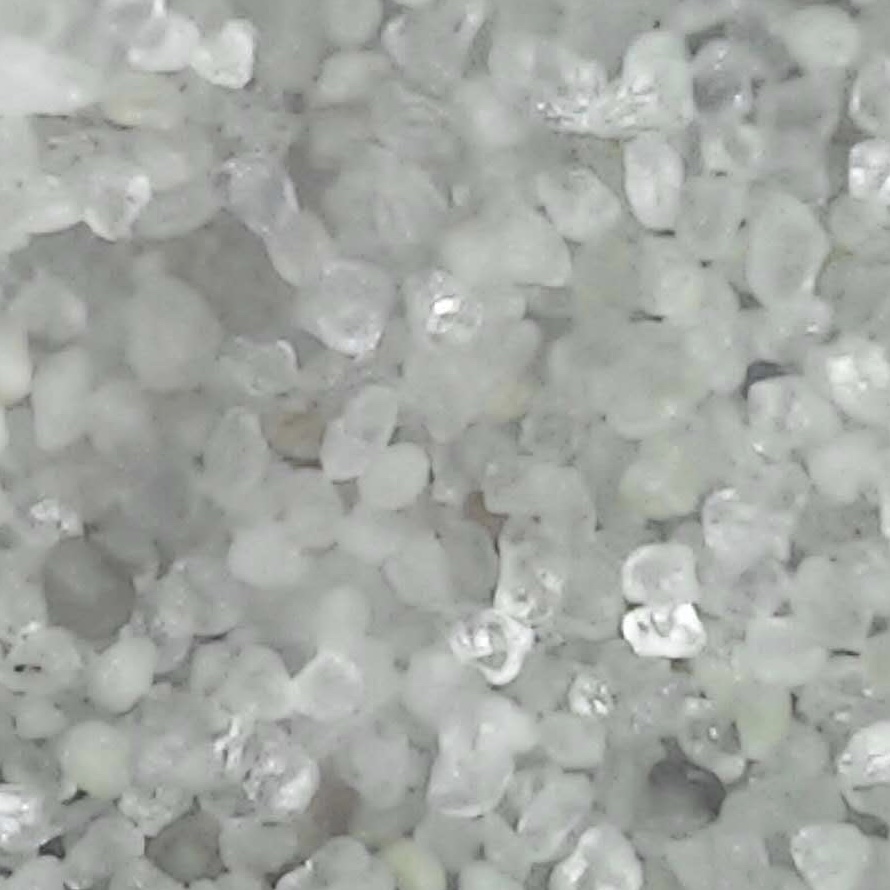

Phone Consultation