
 100-200 mesh casting sand
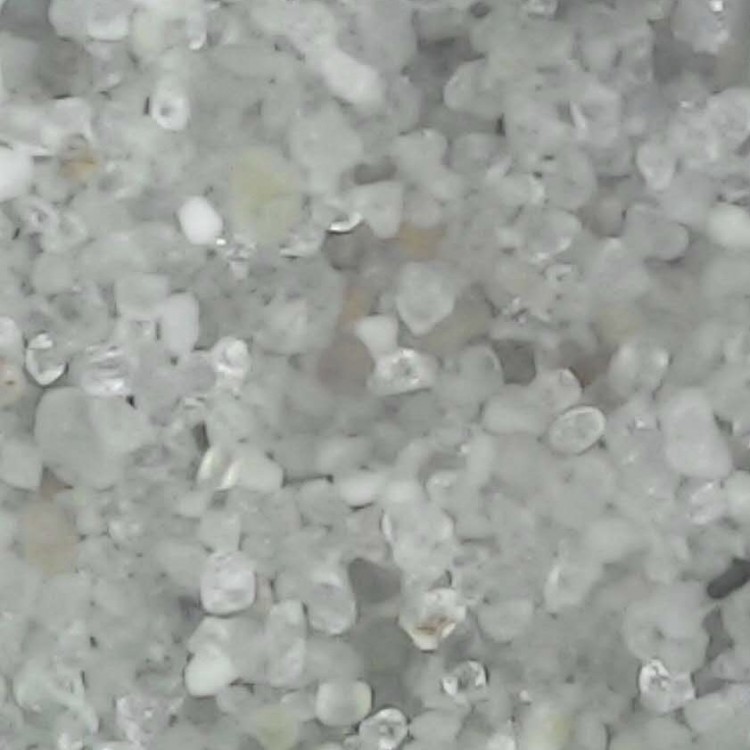 100-200 mesh dried sand, available for customization according to customer requirements.
 70-140 mesh calcined sand, available for customization as per customer requirements.
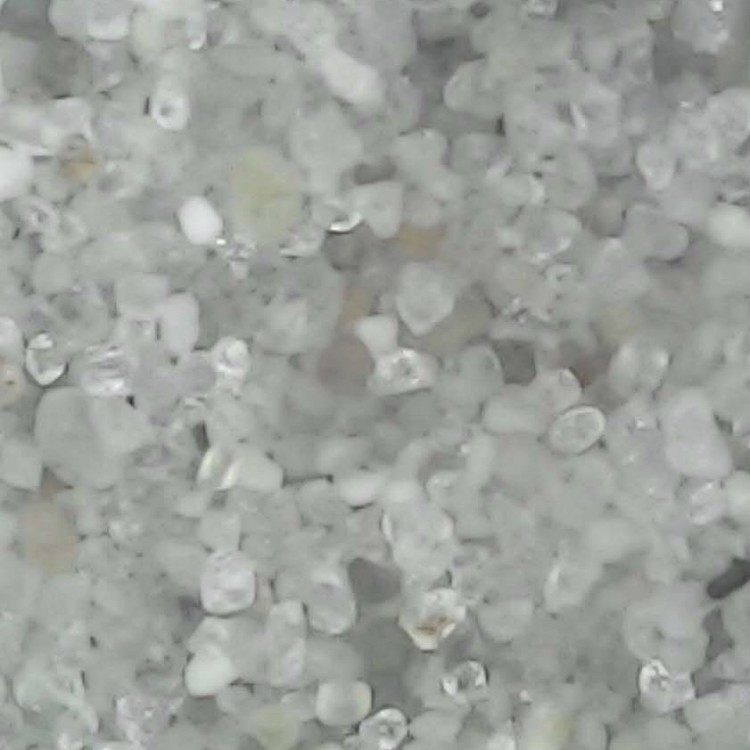 100-200 mesh washing sand, available for customization as per customer requirements.
 70-140 mesh washed sand, available for customization according to customer requirements.
 Washing Sand, 40-70 mesh, available for custom order as per customer requirements.
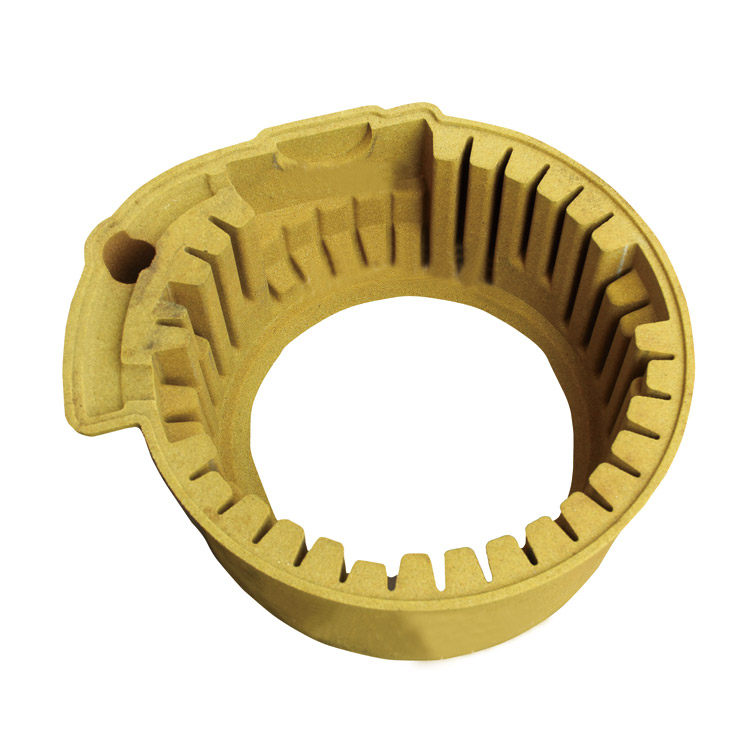 Coated Sand Manufacturer - Customizable to Customer Specifications
Product Details


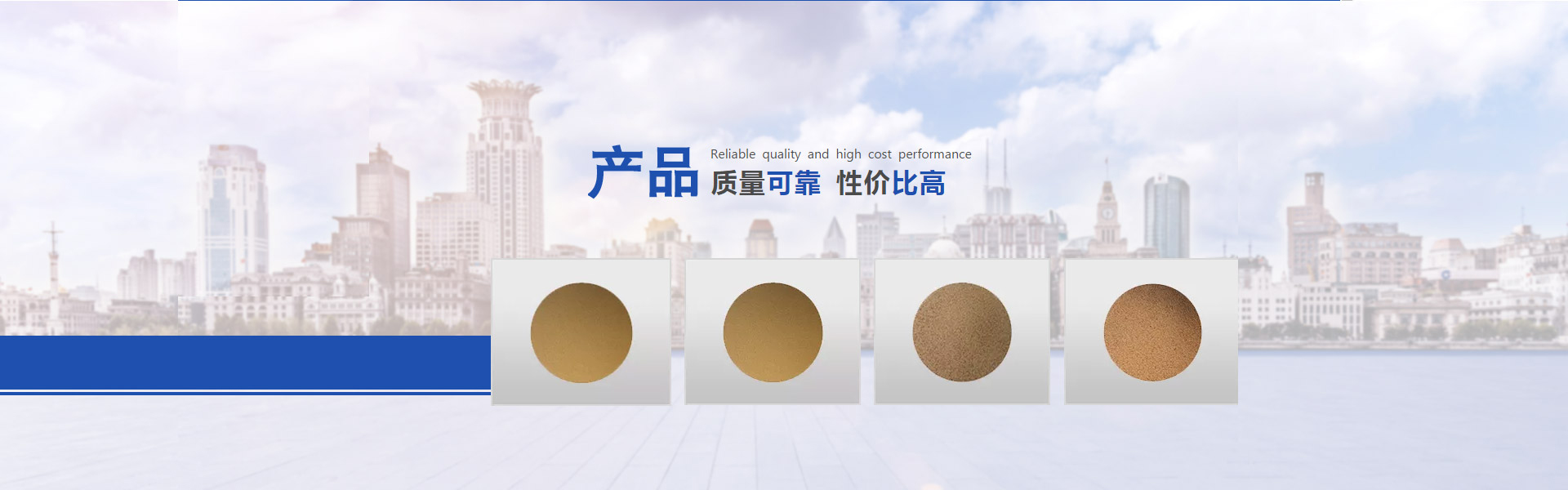
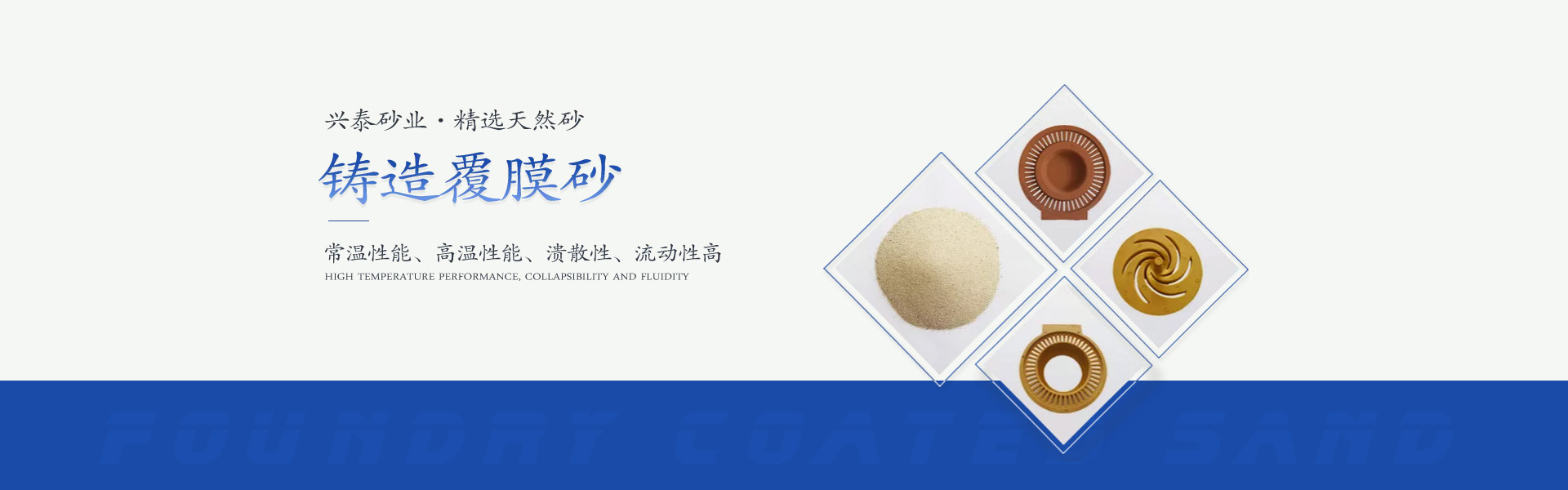
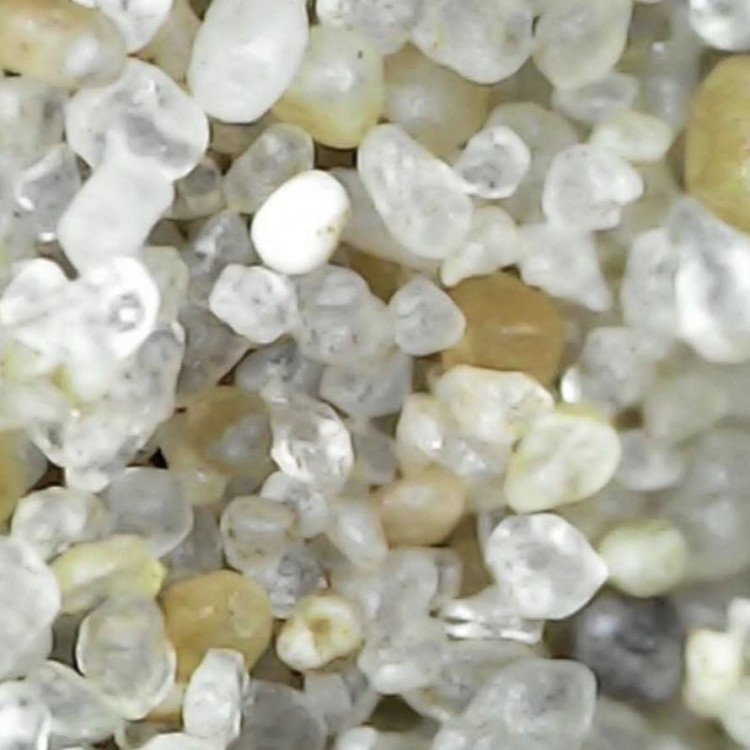
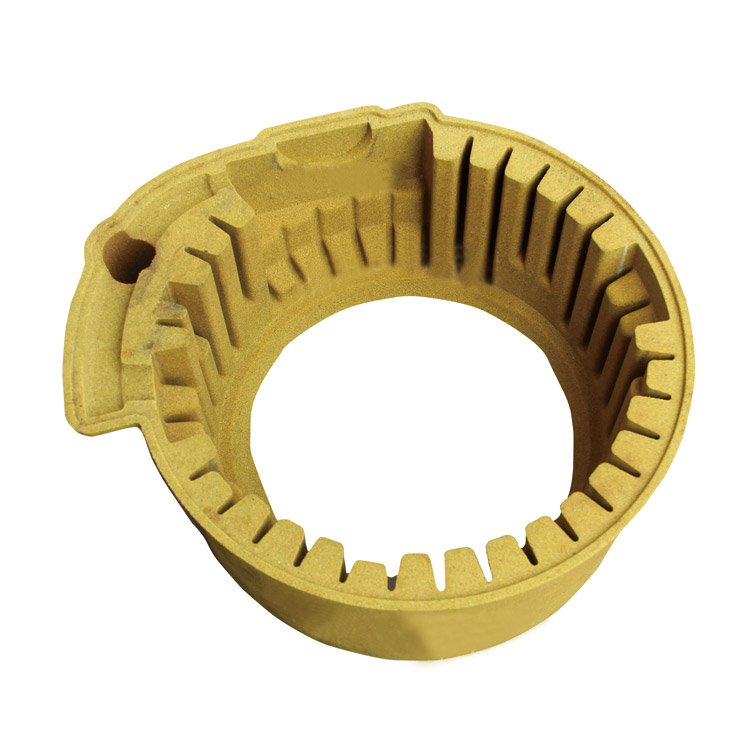

产品Price Negotiable
最小起订Quantity:10 ton 供货总Quantity: 1000 ton


Apparent Density |
|
Silt content |
0.05 (%) |
Clay Content |
0.01 (%) |
Electric fused sand, also known as pearl sand, casting sand, and bauxite sand. Electric fused sand is produced from bauxite through processes such as calcination, electric fusion, granulation, and screening. Pearl sand is a substitute for quartz sand, overcoming the drawbacks of quartz sand, such as high expansion coefficient, low casting precision, and severe sand adherence, thereby improving the quality of castings. Electric fused陶粒 sand, also known as Pearl sand, Casting sand, Aluminum silicate陶粒 sand, Raw material Aluminum silicate陶粒 sand, Process Calcination, Electric fusion, Granulation, Screening Table of Contents 1. Preparation 2. Application 3 Product Features Manufacture Bead sand is a non-quartz artificial sand suitable for various casting methods; such as: V-method, VRH, lost foam, investment casting, general sand molds (clay sand, water glass + CO2 curing), resin sand, etc. Electric fused ballast sand requires a specialized equipment, the electric arc furnace, which is an electric furnace that melts ore and metal using high temperatures generated by an electrode arc. Electric arc furnaces can be categorized by the form of the arc into three-phase electric arc furnaces, self-consuming electric arc furnaces, single-phase electric arc furnaces, and resistance electric arc furnaces, among others. Application Zircon sand is widely used in resin sand (furfural resin, phenolic resin), water glass sand (organic fat, CO2 curing), and coated sand. Suitable for various metal castings such as carbon steel, alloy steel (high manganese steel, high chromium cast iron), cast iron, and cast copper. It is applicable for the production of castings made from various binders and metal materials, not only significantly improving casting quality but also making sand cleaning easy and the sand mixing process simple and convenient (large-scale steel foundries can use small batches of sand locally, and manual mixing is sufficient for small quantities), which can eliminate the need for coatings for most castings and is particularly suitable for producing high-quality castings. Features Introduction Characteristics of electric fused ballast sand (珠珠砂): 1. Spherical granules with near-perfect round shapes, smooth surface, and no undulations or veins. They offer excellent fluidity and filling properties, resulting in good molding and casting strength. They are easy to break down, facilitating sand cleaning operations. The binder usage is significantly reduced compared to other similar sands. 2. Low thermal expansion rate, comparable to that of special sands like chromite ore sand, ensuring high dimensional accuracy in castings, fewer cracks and surface defects, and a high yield of finished castings. 3. Excellent resistance to breakage, with dense cast sand and high strength, it rarely breaks even after repeated use, reducing dust pollution in the casting production process and the impact on the production environment. Good recyclability minimizes industrial waste emissions, benefiting environmental protection. 4. Excellent refractoriness, primarily composed of alumina, ensuring superior refractory properties. Refractoriness ≥ 1790℃ meets the casting requirements for various metals and alloys.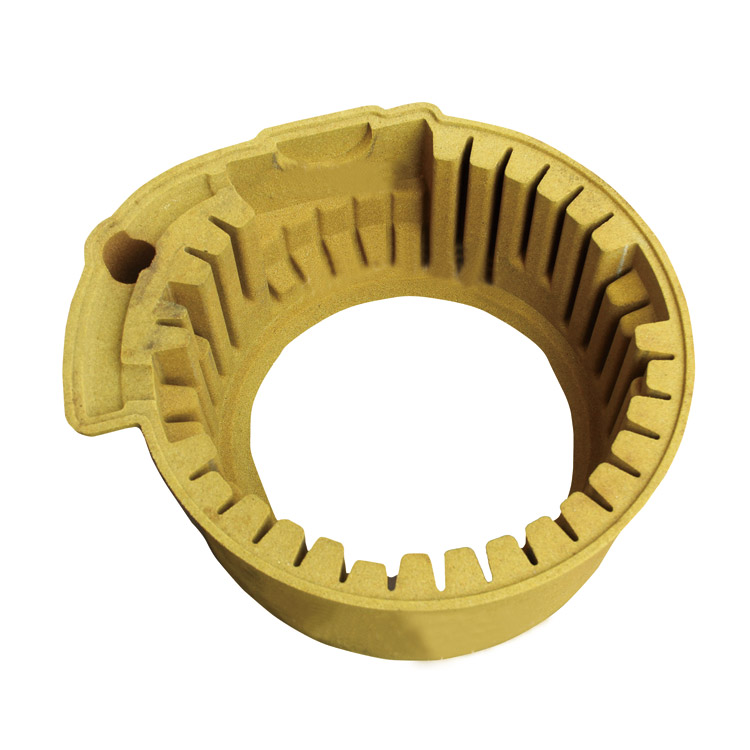

Phone Consultation