
 100-200 mesh casting sand
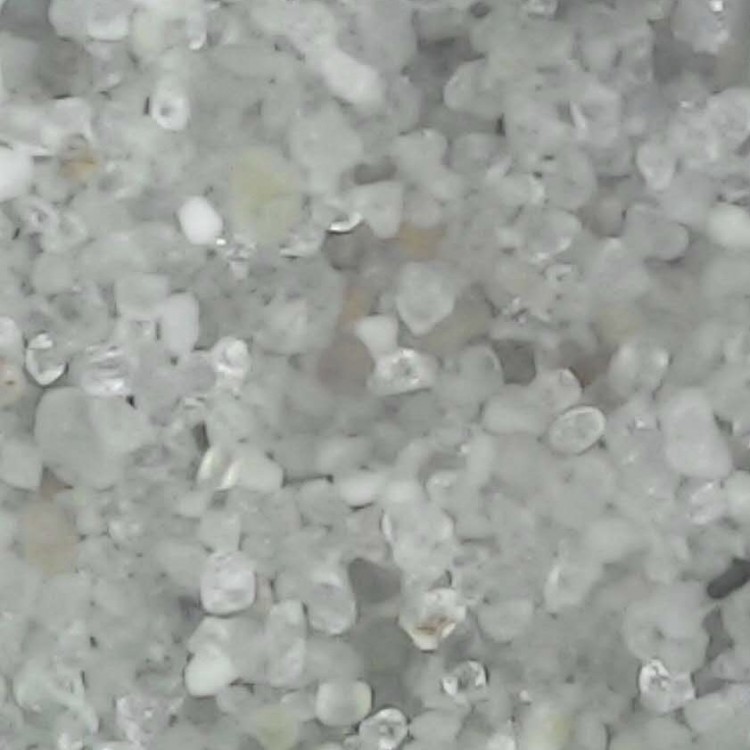 100-200 mesh dried sand, available for customization according to customer requirements.
 70-140 mesh calcined sand, available for customization as per customer requirements.
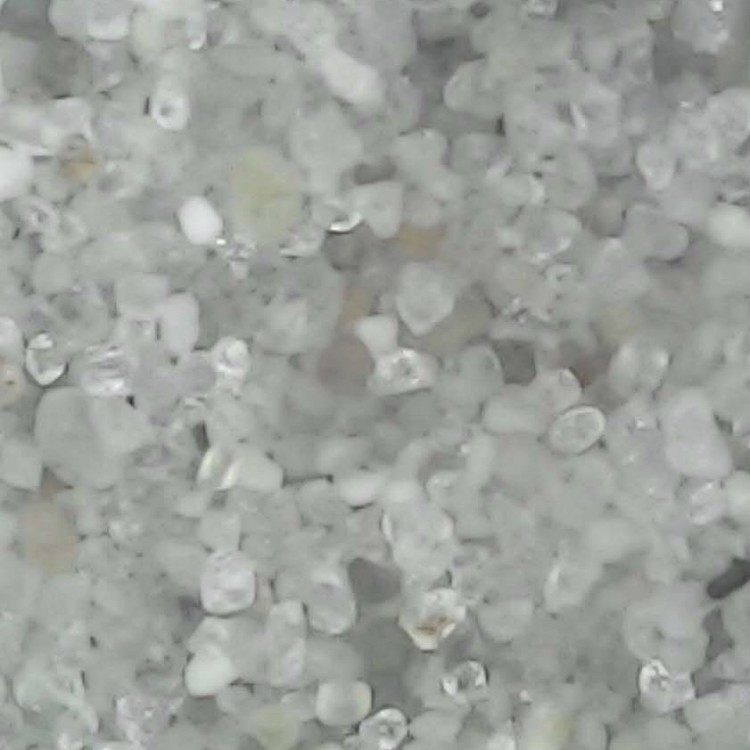 100-200 mesh washing sand, available for customization as per customer requirements.
 70-140 mesh washed sand, available for customization according to customer requirements.
 Washing Sand, 40-70 mesh, available for custom order as per customer requirements.
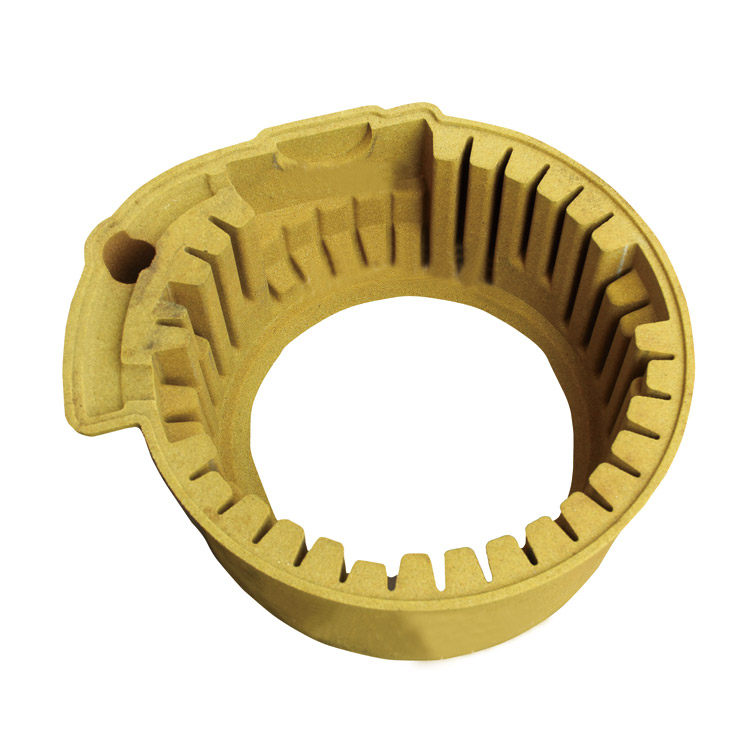 Coated Sand Manufacturer - Customizable to Customer Specifications
Product Details




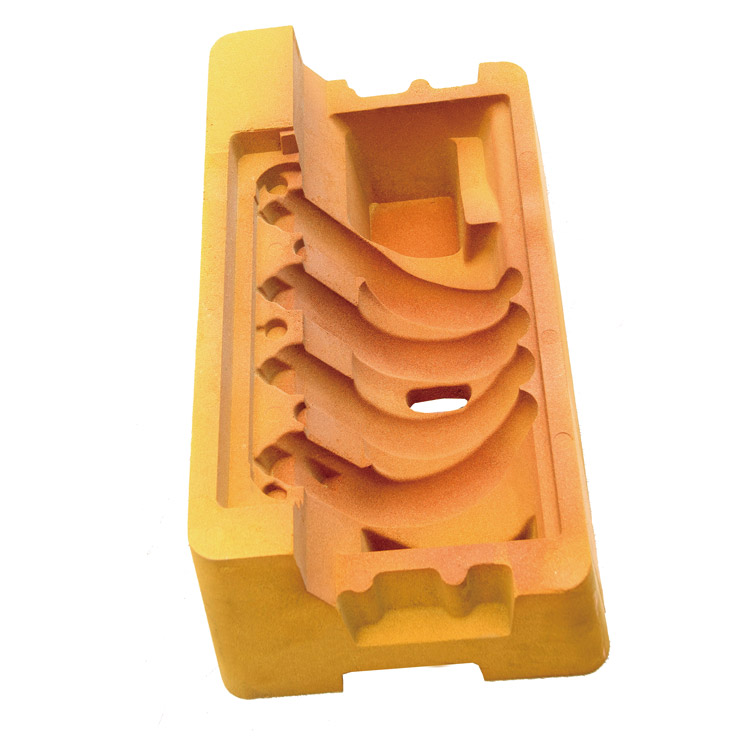

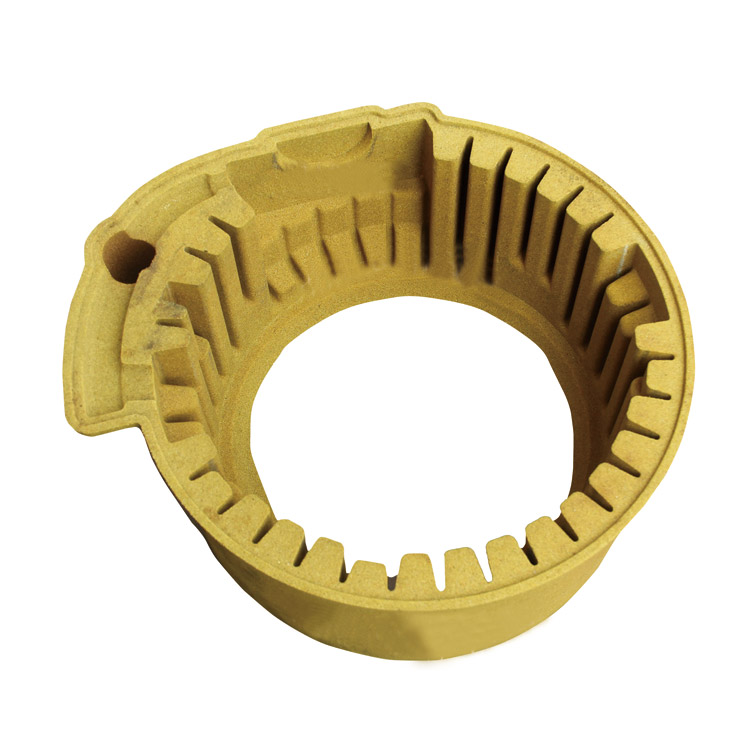
产品Price Negotiable
最小起订Quantity:10 ton 供货总Quantity: 1000 ton


Apparent Density |
|
Silt content |
0.05 (%) |
Clay content |
0.01 (%) |
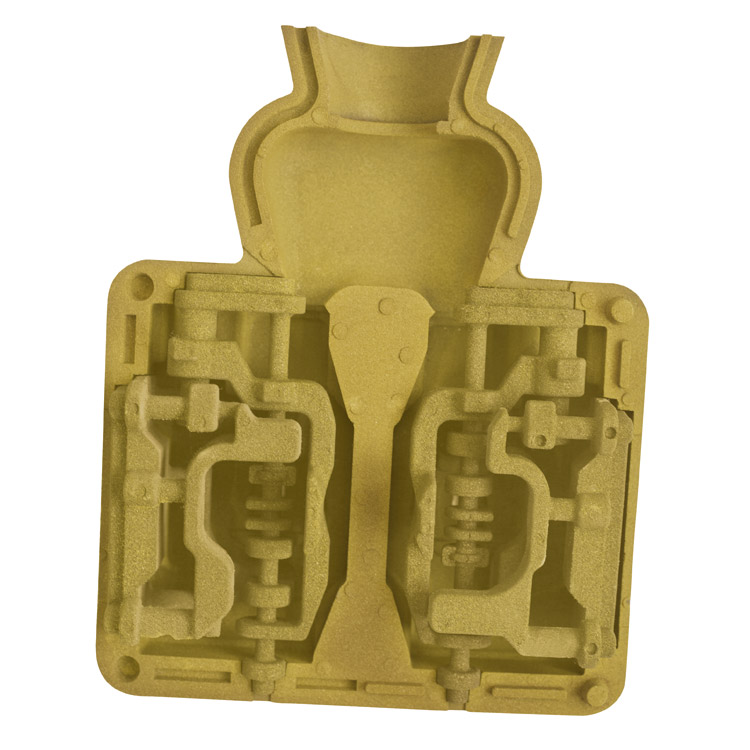
Coated Sand. Sand grains are coated with a solid resin film before molding, either in mold sand or core sand. There are two types of coating processes: cold and hot. In the cold process, the resin is dissolved in ethanol, and melamine is added during the mixing process to coat both on the sand grains. As the ethanol evaporates, coated sand is obtained. In the hot process, the sand is preheated to a certain temperature, the resin is added to melt it, and it is stirred to coat the sand grains. Melamine aqueous solution and lubricants are then added, followed by cooling, crushing, and sieving to obtain the coated sand. Used for casting steel and cast iron parts. Coated Sand; Resin-Coated Sand; Coating Process - Cold and Hot Methods; Main Raw Material - Natural Quartz Sand Covered sand was invented by Dr. Klonning of Germany during World War II. The process involves mechanically mixing powdered thermosetting phenolic resin with sand and curing it through heating. It later evolved into a covered sand formulation using thermoplastic phenolic resin, latent curing agent (urotropine), and lubricant through a specific coating process. When heated, the resin on the sand particles melts, and under the action of the methyl group released by the decomposition of urotropine, the molten resin rapidly transforms from a linear structure to a non-melting, three-dimensional structure, thereby solidifying and shaping the covered sand. China's shell molding technology originated in the mid-1950s and was temporarily discontinued in the 1960s. By the 1980s, with the rapid development of the automotive industry and the need for exporting mechanical products, higher quality requirements for castings were put forward, which in turn promoted the rapid development of shell molding production and application technology. In 1986, the Jinan Foundry and Forging Technology Research Institute was the first to develop a new shell molding production technology, reducing the resin addition rate from 6~10% in the early 1980s to 3~4%, approaching the international advanced level of the time. In the early 1990s, shell molding factories across the country rapidly developed, with new products and technologies emerging continuously. By the 21st century, the annual output and sales volume of China's shell molding industry had exceeded 900,000 tons, widely used in the production of automotive cylinder blocks, cylinder heads, intake manifolds, various pipe fittings, pump bodies, and other complex castings. Primary Raw Materials Editor Broadcast Coated Sand Raw Material Foil Coated Sand Raw Material Coated sand primarily uses selected natural quartz sand as the raw material, along with thermoplastic phenolic resin, urea, and reinforcing agents. Depending on the different technical requirements of customers, the proportions are appropriately adjusted in terms of curing speed, demolding properties, fluidity, friability, cast surface finish, and storage. It is one of the molding materials used in automotive, tractor, hydraulic components, and other applications. Main Features Edit Broadcast 1. Vibratory sand cleaning, high strength, low gas emission, and low expansion. 2. Good fluidity, with high surface finish on castings. 3. Shell-type without peeling, good thermal stability, excellent thermal conductivity, good fluidity, and smooth casting surface. 4. High strength, high-temperature resistance, low expansion, good demolding properties, and excellent anti-adhesion to sand. 5. Evenly coated without peeling, fast curing speed. Raw Material Editor Reporting Coated Sand Coated Sand 1. Raw sand is the main component of coated sand, and the requirements for raw sand include high refractoriness, low volatile matter, and high particle strength. Generally, natural silica sand is chosen due to its abundant reserves, low cost, and ability to meet casting requirements. Only castings with special requirements use special sand (such as zircon sand, chromite, ceramic sand, magnetite sand, etc.) as the raw material for coated sand: General requirements for silica sand are: a. SIO2: The requirement for sand used in cast iron and colored casting is above 90%, and for steel castings, it is above 98%. b. Acidic sand is superior to alkaline sand. c. Silt content <0.3%. d. Particle Size Distribution: Prefer a 3-sieve concentration and a 5-sieve fineness. e. Granularity: Preferably use roundness good silica sand; the angularity coefficient should generally be less than 1.3. Typically, silica sand can meet requirements with a secondary washing, but for improved coating sand performance, it can be acid-washed or subjected to high-temperature activation treatment (burning at 900-1200°C). 2. Adhesive Raw Materials Raw Materials Generally, thermosetting phenolic resins are used as binders. The performance requirements for thermosetting phenolic resins are: a. Aggregation Speed (Hot Plate Method): 25-75s b. Softening Point (G环球法): 90-105℃ c. Liquidity (Sliding Plate Method): 60-110mm d. Free Phenol Content (Bromination Method): ≤4% The performance of bonding agents significantly affects the quality of coated sand. Efforts have been ongoing to improve the properties of phenolic resins. Overseas, different performance resins have been developed, such as high-strength low-gassing resins and easy-dispersing resins. There have also been reports of using modified polyester resins to replace phenolic resins, but this has not gained widespread adoption, and modified phenolic resins are still predominantly used. In recent years, China has made rapid progress in the research and development of coated sand phenolic resins, with companies like Shandong Chemical Plant, Qingdao Chemical Plant, and Jinan Shengquan Co., Ltd. developing high-strength phenolic resins, quick-polymerizing phenolic resins, and easy-dispersing phenolic resins, among others. However, there is still a gap compared to developed countries. 3. Binder, lubricant, additive The conventional curing agent for coated sand is melamine, with an addition rate of 5%-20% of the resin. To meet some special requirements (such as anti-peeling, rapid curing, etc.), some companies have developed special curing agents. The purpose of lubricants is to prevent agglomeration and enhance the fluidity and demolding properties of coated sand, primarily including calcium stearate, ammonium stearate, and the like. It is advisable to choose products with high melting points for lubricants to prevent the coated sand from shedding during use. The primary function of additives is to enhance the properties of coated sand. Widely used additives include high-temperature resistant additives, easy-dissipating additives, strength and toughness enhancing additives, sand sticking prevention additives, and wet-state additives, among others. Many coated sand factories have unique additive formulations. The performance of additives plays a crucial role in the production of special coated sand and is one of the core competitive advantages in the coated sand market. The mixing methods for coated sand have evolved through four stages: dry mixing, cold coating, warm coating, and hot coating methods. The production of coated sand predominantly employs the hot coating method. The hot coating process involves first heating the raw sand to a certain temperature, then mixing it with resin, a solution of Urotropine, and calcium stearate, followed by cooling, crushing, and sieving. Due to variations in the formula, the mixing process differs accordingly. There are many types of domestic film-coated sand production lines, with approximately 2,000 to 2,300 semi-automatic lines that are manually fed, and nearly 50 fully automatic lines controlled by computers, which have significantly improved production efficiency and product stability.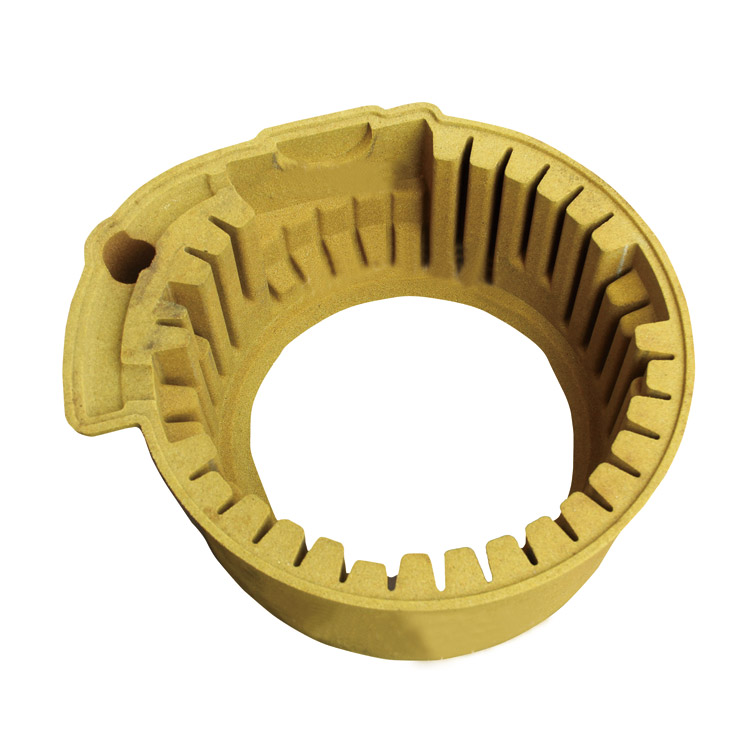


Phone Consultation