


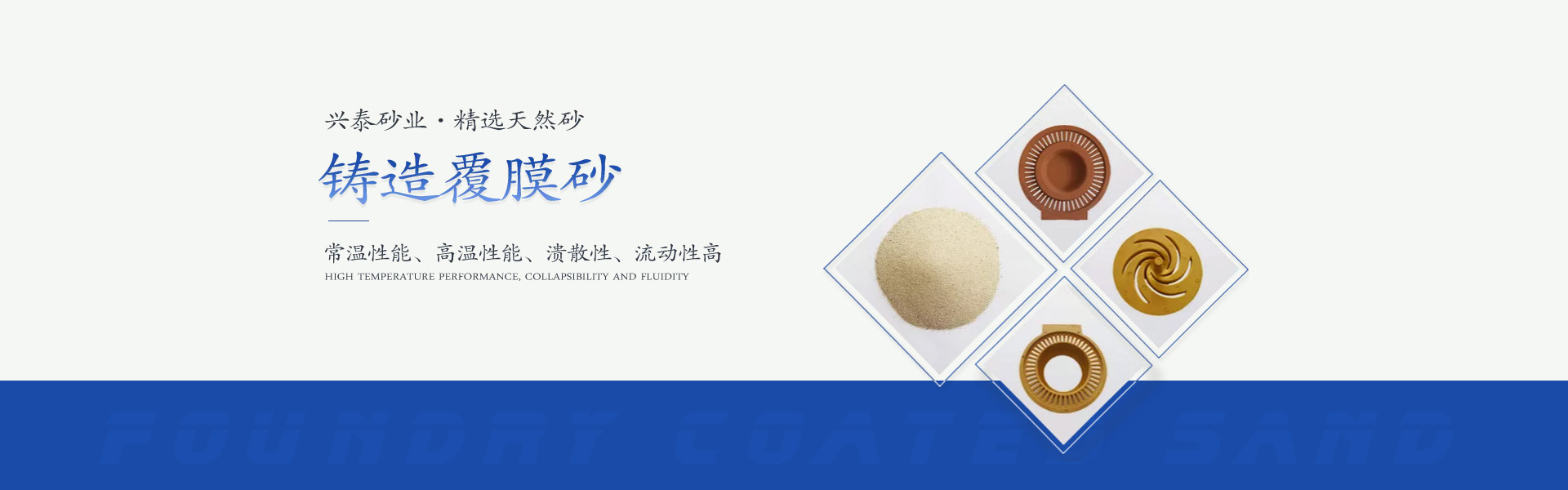

1. General purpose coated sand, also known as traditional coated sand, is primarily composed of quartz sand and thermoplastic phenolic resin, along with other substances, without the addition of any additives. The resin content is higher in requirements for strength, lacking properties such as temperature resistance and low gas generation, making it suitable for producing products with lower demands.
2. High-intensity, low-gassing coated sand features include high strength, low expansion, low gas generation, slow gas generation, and anti-oxidation. It can replace standard coated sand by adding relevant additives and adopting new manufacturing processes, which can reduce resin consumption, increase strength compared to standard coated sand, decrease gas generation, delay the rate of gas generation, and is better suited for casting production needs.
3. The high-temperature coated sand boasts advantages such as high-temperature resistance, high strength, low gas generation, slow gas generation, easy dispersion, and anti-oxidation. It is produced through special process technology, resulting in a new type of coated sand with both high-temperature functionality and comprehensive organizational properties. This is particularly suitable for the production of complex thin-walled precision cast iron parts and high-quality cast steel parts, capable of eliminating common defects.
4. Erosion-resistant coating sand has high strength and excellent low-temperature erosion properties, commonly used for non-ferrous metal castings.
5. Other types of coated sand can accommodate various needs, resulting in the development of different coated sands.
