
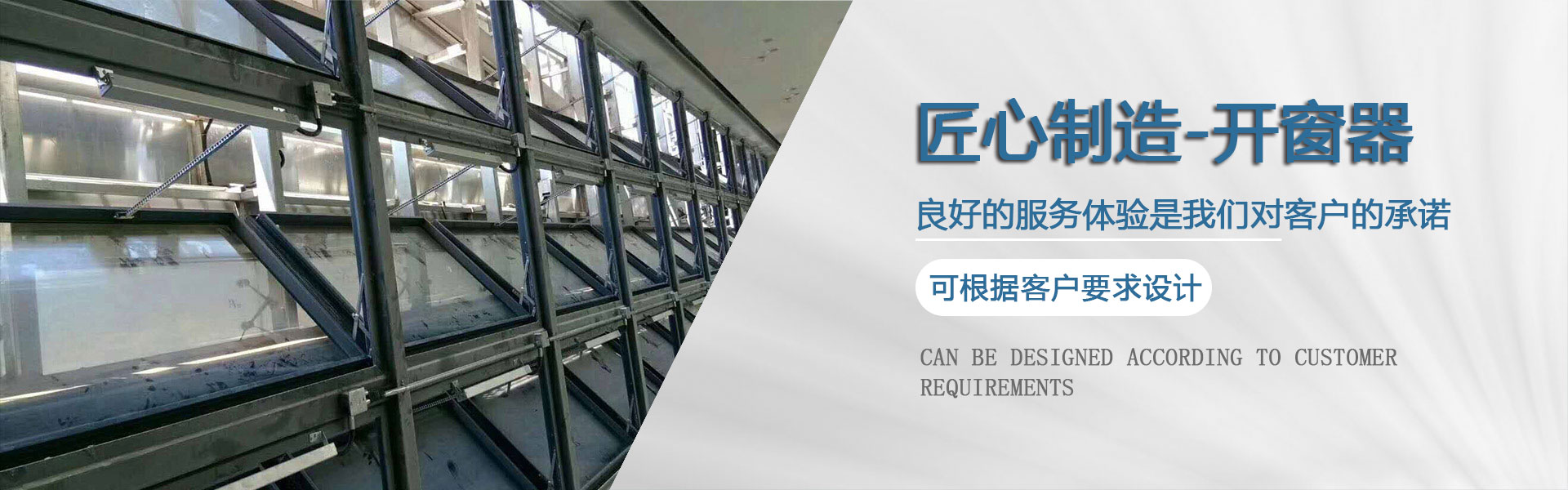

Standard electric sunroofs operate by installing a motor and a power source above the transmission mechanism to facilitate the opening and closing of the window.
With the advancement of technology, modern expectations for window operators now extend beyond just electrically controlled opening and closing. They also demand features like dust resistance, moisture protection, and even waterproofing. Dust can wear down the motor of the window operator, damp air can cause rusting, leading to irreparable damage, and water can short-circuit the electrical circuit board inside the electric sunroof. Therefore, understanding the various characteristics of the installation environment for electric sunroofs can greatly assist in choosing the right window operator for you.

There are two types of automatic control systems for the two most widely referenced electric sunroofs in the world.
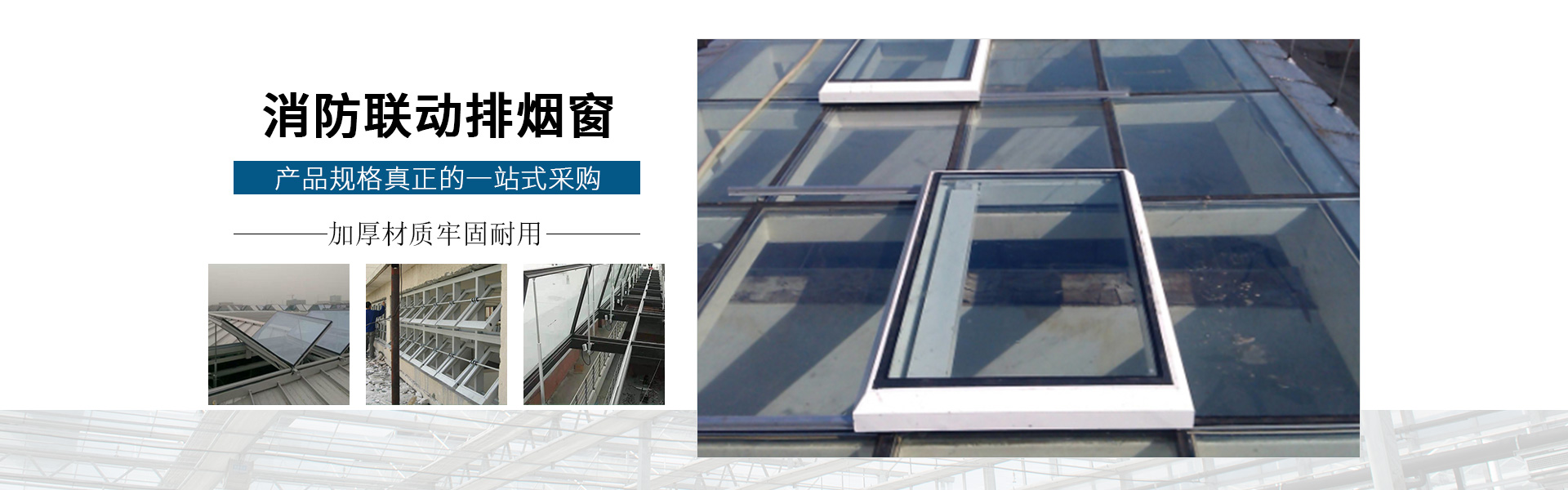
An automatic smoke and heat exhaust system, which has been developed in response to the evolution of fire safety awareness, automatically opens the exhaust and heat release windows during fire emergencies, effectively removing smoke and heat, and creating a favorable environment for personnel evacuation.
Another solution is the greenhouse control system, which compares real-time measured values such as air temperature, humidity, sunlight intensity, wind strength, and rainfall level with pre-set values in the system to achieve the purpose of automatic window opening and closing!
