
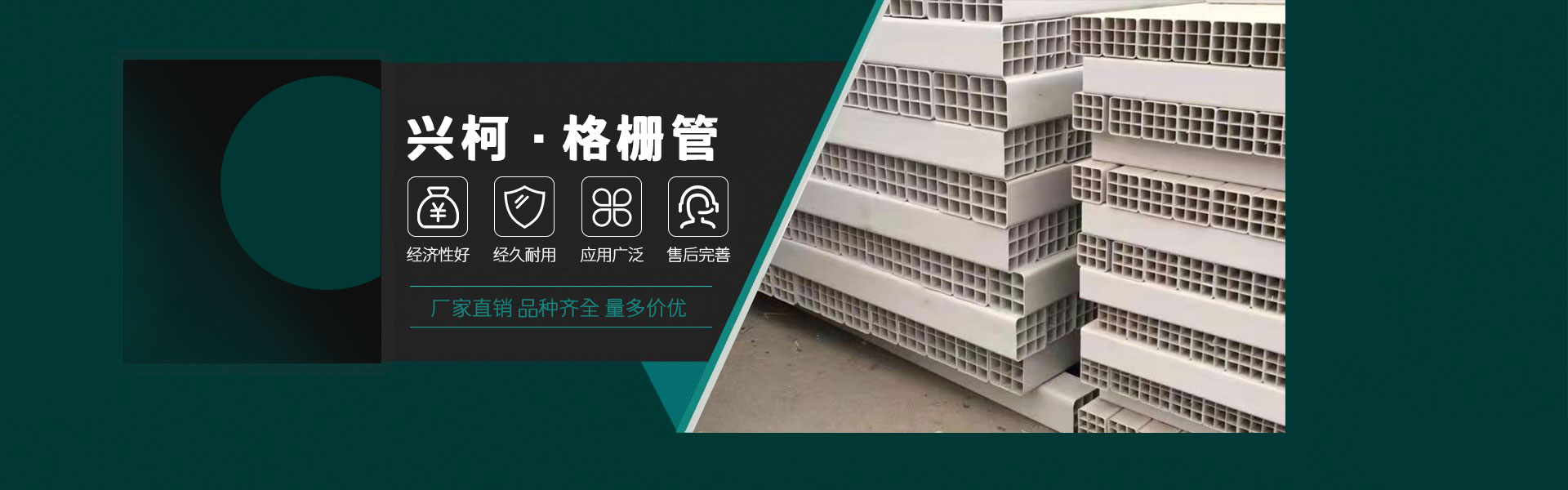

Grate pipes are a new type of solid-wall square-porous structural composite plastic pipes. They are products formed through the melting and molding process of synthetic resins and additives. Made primarily from rigid modified polyvinyl chloride, these pipes incorporate impact resistance modifiers, stabilizers, and other additives. They are then extruded at high speed, resulting in enhanced properties such as high compressive strength, resistance to aging, and corrosion. In recent years, grate pipes have been widely used, replacing traditional galvanized steel pipes and cast iron drainage pipes due to their susceptibility to rust, heavy weight, and不便的运输施工. Below, Xingke Pipeline Technology shares some precautions to consider when挖掘沟槽 and laying pipes with grate pipes:
Grating pipes should be handled with care during trenching.
The width should be sufficient to accommodate the smaller spacing required for pipe connections, foundation construction, and backfilling operations.
When excavating trenches for general piping, the natural soil above the designed ground level should be retained by 20-30mm, and it should not be excavated below the design level. In case of localized over-excavation, replace the soil with 5-10mm natural gravel or fine sand, and compact it.
When excavating trenches, the good soil at the original site should be separated and stacked from the mixed soil. At the same time, clear away loose soil and debris such as stones at the bottom of the trench.
Grating pipes should be laid with care.
1. Pipe installation can be done manually. When the trench is not too deep, ground personnel can pass the pipes down to the workers at the bottom. For deeper trenches, non-metallic ropes can be used to slide the pipes into place.
Before assembly, the internal face of the socket and the external face of the spigot, or the joint, should be wiped clean with cotton yarn or a dry cloth before bonding. This ensures that the bonding surface remains dust-free, sand-free, and free from water stains.
In the event of pipe displacement, floating, loose fittings, or foreign objects inside the pipe after installation, rework should be performed promptly to correct the issue.

