

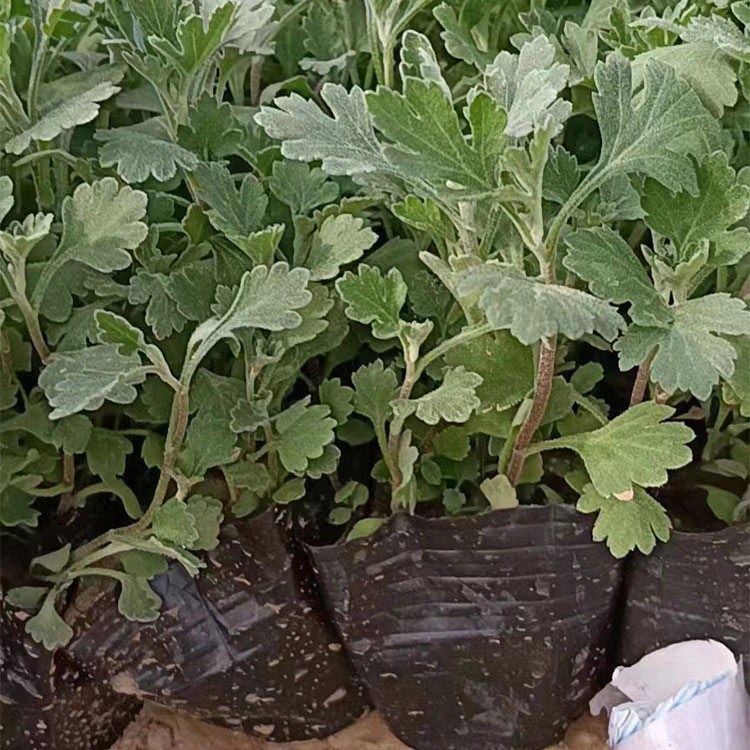
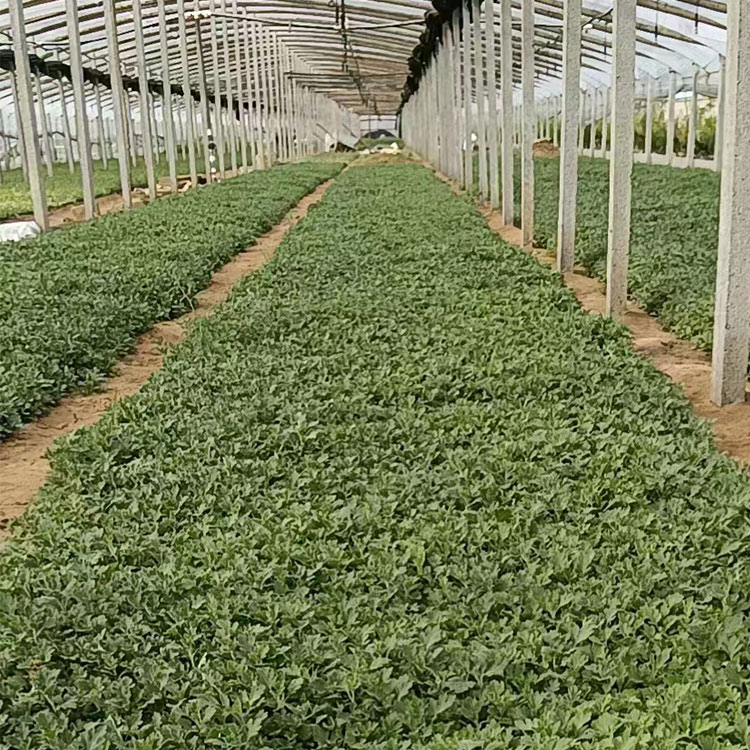
Groundcover Chrysanthemum Cultivation Method:
Soil
Ground cover chrysanthemums have a wide soil adaptability, strong resistance to adversity, drought resistance, and tolerance to salinity and alkali. When cultivating ground cover chrysanthemums, it is advisable to choose sandy soil for cultivation, while ensuring the soil has good looseness, aeration, and drainage.
2. Breeding Methods
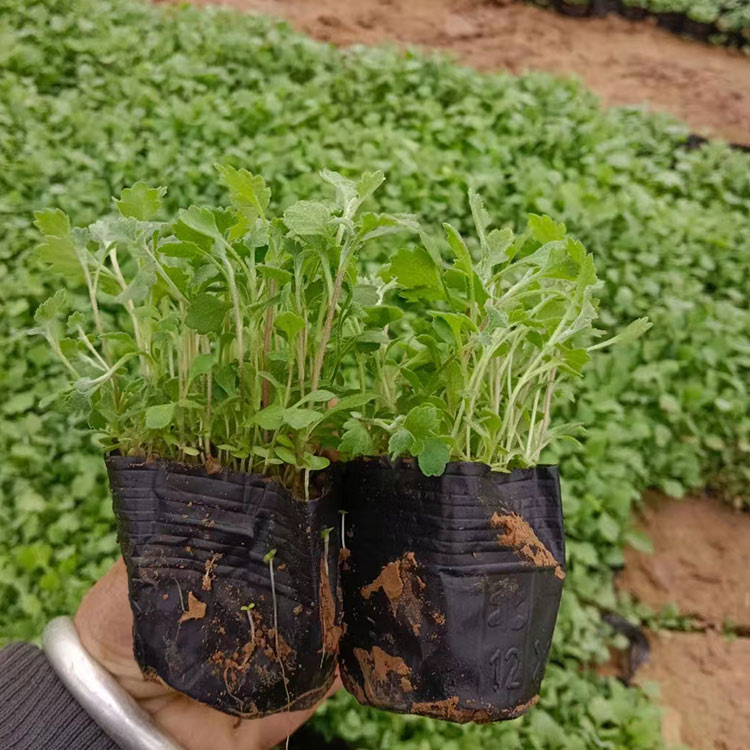
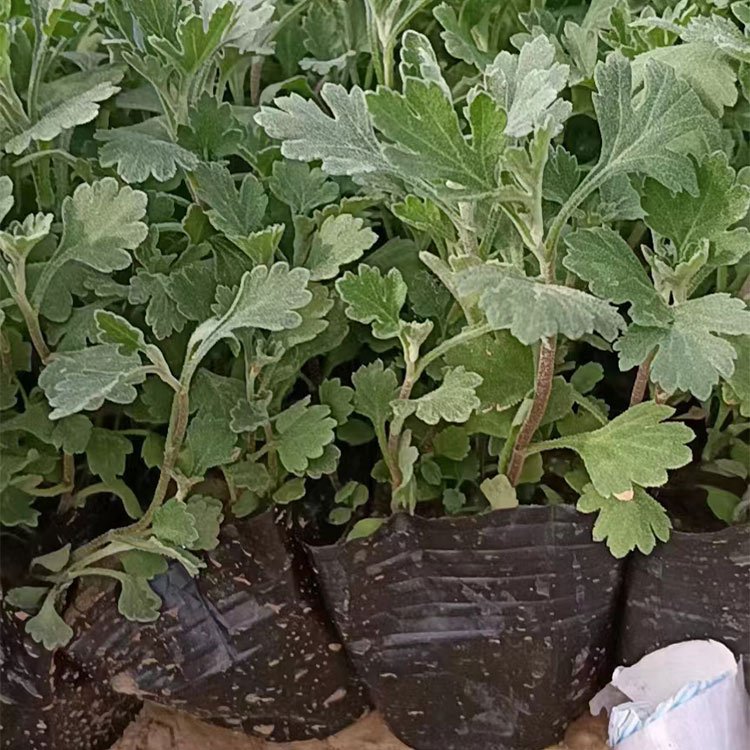
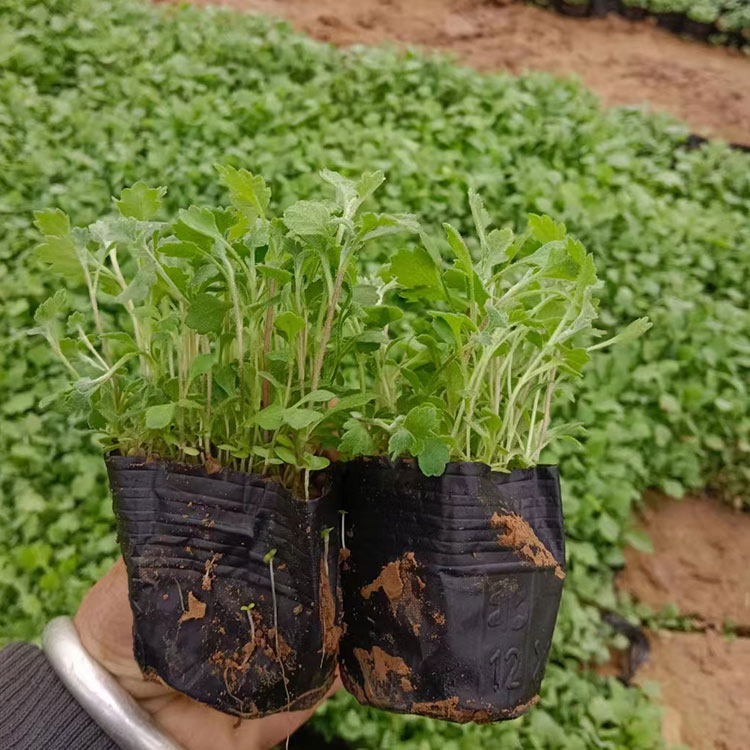
The ground chrysanthemum is easy to propagate, which can be done through seeds. Harvest mature seeds in November, then start seedling cultivation in February or March when seedling substrate is available. Sow the seeds shallowly in seedling trays, maintaining a temperature above 20 degrees Celsius, and place them in a well-lit area. Germination typically occurs within 7-10 days. Transplant the seedlings once they have grown 2-3 true leaves.
3. Planting of seedlings
The ground chrysanthemum has a robust root system and easily produces adventitious roots. Even with just one plant, it can grow into a clump by itself within about 2 years. Therefore, it's not advisable to plant too densely; the spacing between plants should be controlled at 20-30 cm. After planting, firmly press the soil around the roots and water thoroughly to promote lush growth.
4. Lighting, Temperature
Ground cover chrysanthemums thrive in sunlight and can tolerate partial shade. When planting, choose a sunny location for optimal growth and more robust plants with abundant blooms. These chrysanthemums are highly frost-resistant, allowing them to survive winter outdoors in the Northeast, and they also tolerate heat, flourishing even in temperatures around 35 degrees Celsius.