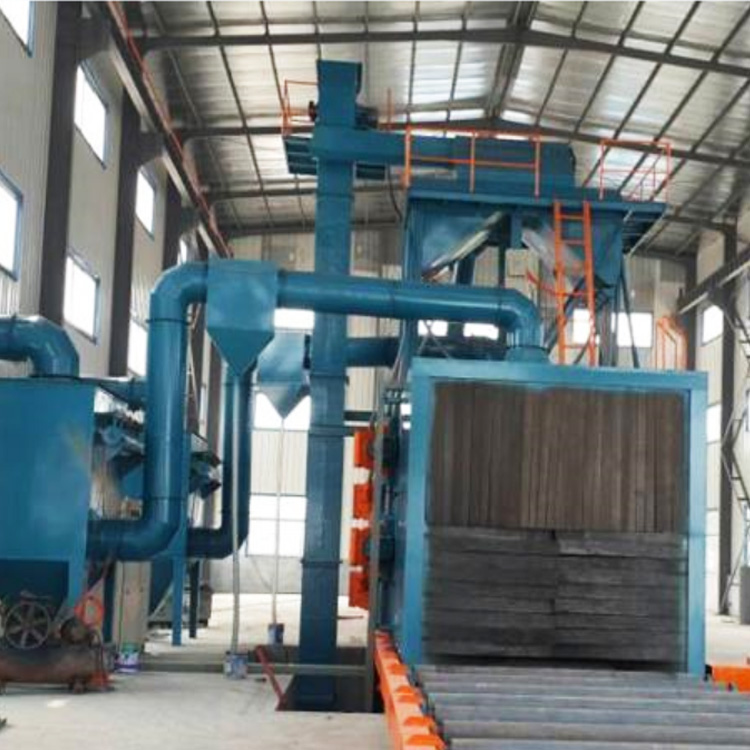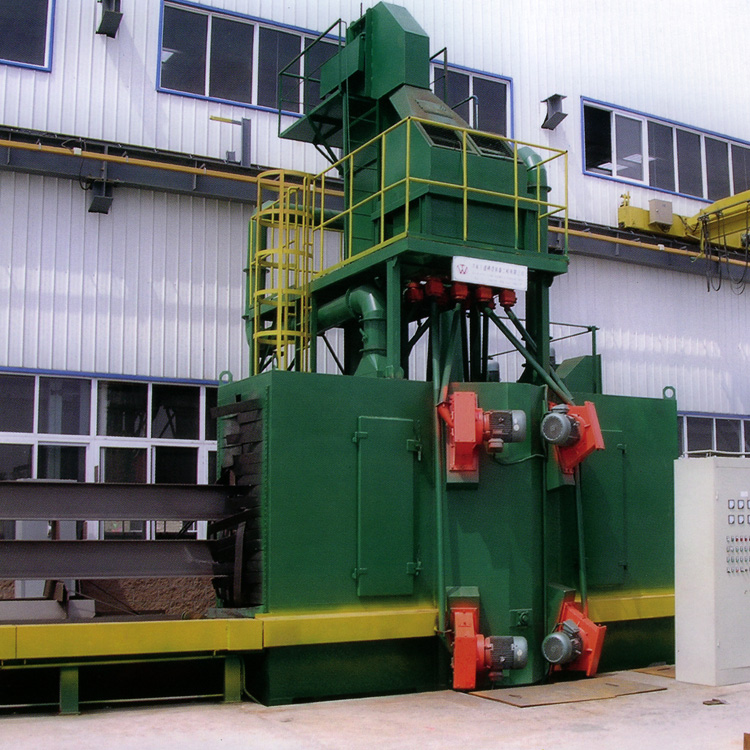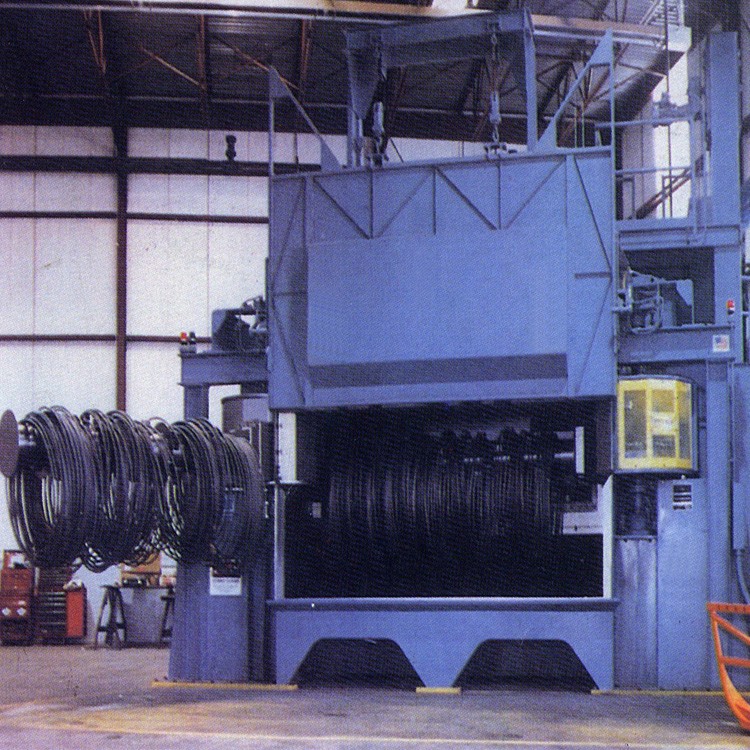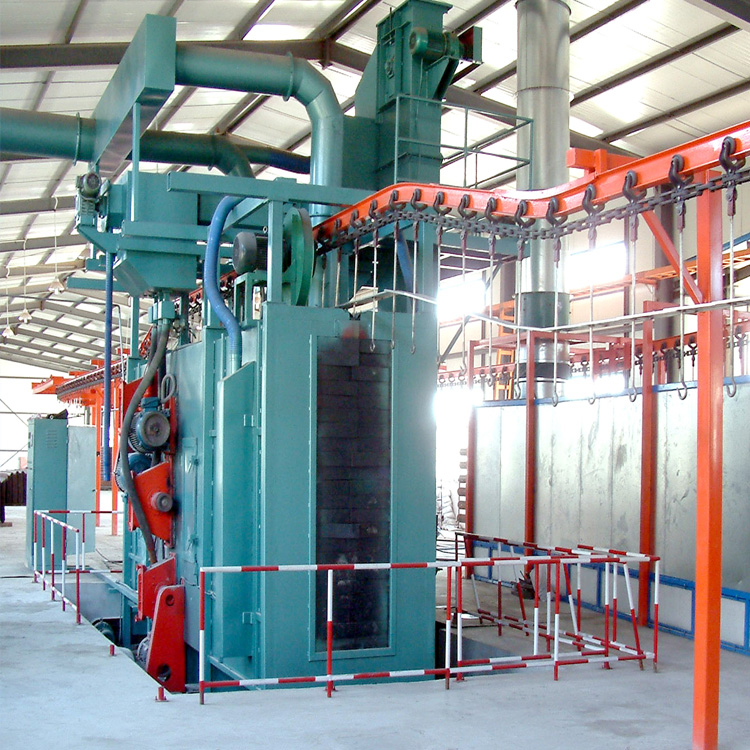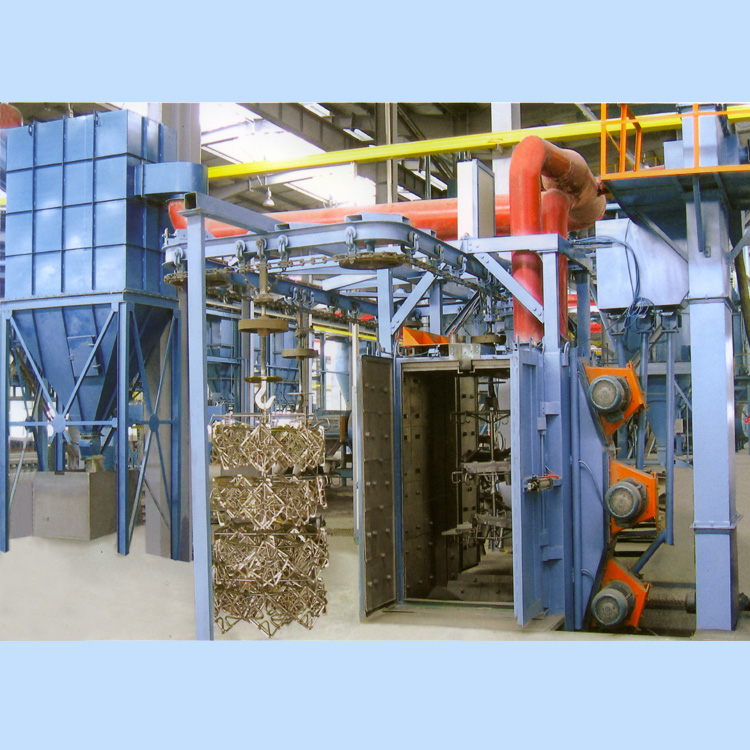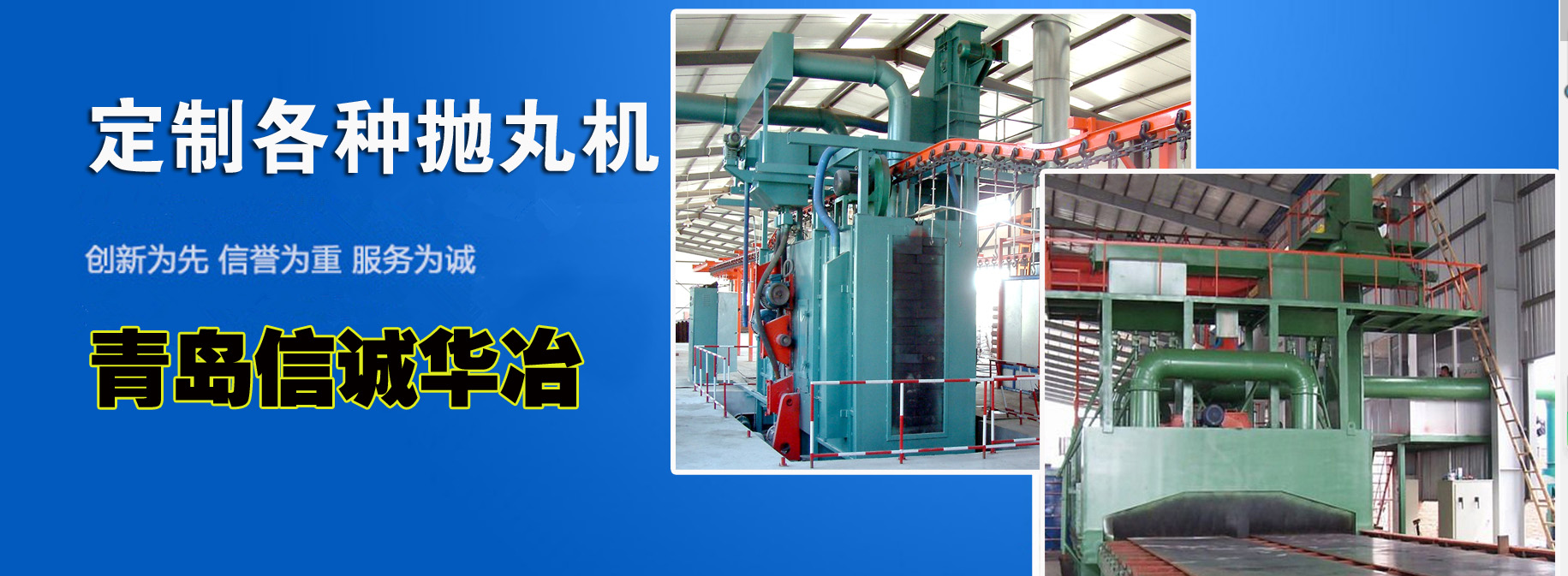

The impeller of the shot blasting machine generates centrifugal force and wind force during high-speed rotation. When the shot enters the feeding tube, it is accelerated and brought into the high-speed rotating separator wheel. Under the action of centrifugal force, the shot is ejected from the separator wheel blades through the directional sleeve window, picked up by the high-speed rotating blades, and continuously accelerated along the length of the blades until ejected. The ejected shot forms a certain sectorial stream that strikes the workpiece surface for cleaning and other operations.
The shot blaster is mainly composed of key components such as the impeller, blades, pellet separator, directional sleeve, bearing base, and main shaft. The pellet separator is fixed on the inner rotating disk and rotates along with the impeller and main shaft through a conical hole and mating disk. The directional sleeve is secured to the chamber body by a directional sleeve collar.
Adjust the window of the directional sleeve to vary the direction of the bullet's projection. The size of the window angle determines the radial scatter angle of the bullet, typically 10 degrees larger than the angle of the directional sleeve window. The axial scatter angle of the bullet is approximately 8 degrees, with the bullet's positioning angle and projection angle ranging from 50 to 60 degrees. The bullet's projection band forms an olive shape.
Roller bearings are used on the impeller shaft, with the bearing housing supported by vibration-dampening rubber, which reduces the transmission of vibration caused by impeller unbalance, significantly extending the lifespan of the bearings and bolts. The temperature rise of the bearings must not exceed 35°C above room temperature.