







- AllProduct Category
-
Programmable Exchange Switch
IP PBX
Multimedia Scheduling System
Mine Safety Standard Products
Touchscreen Dispatch Console
Voice Gateway
Transmission Access Products
Industrial Explosion-proof Telephone
IP Phone
Accessories







详情描述
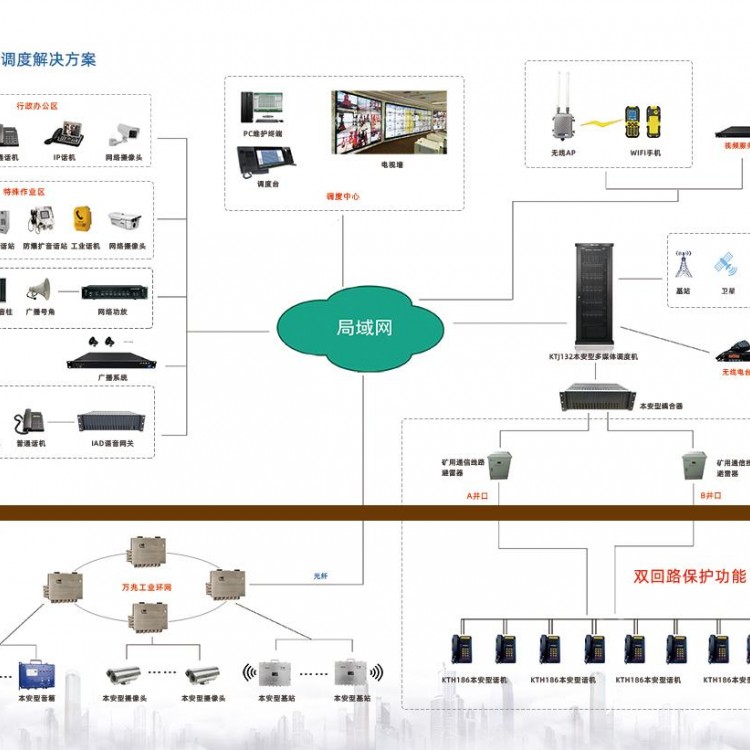
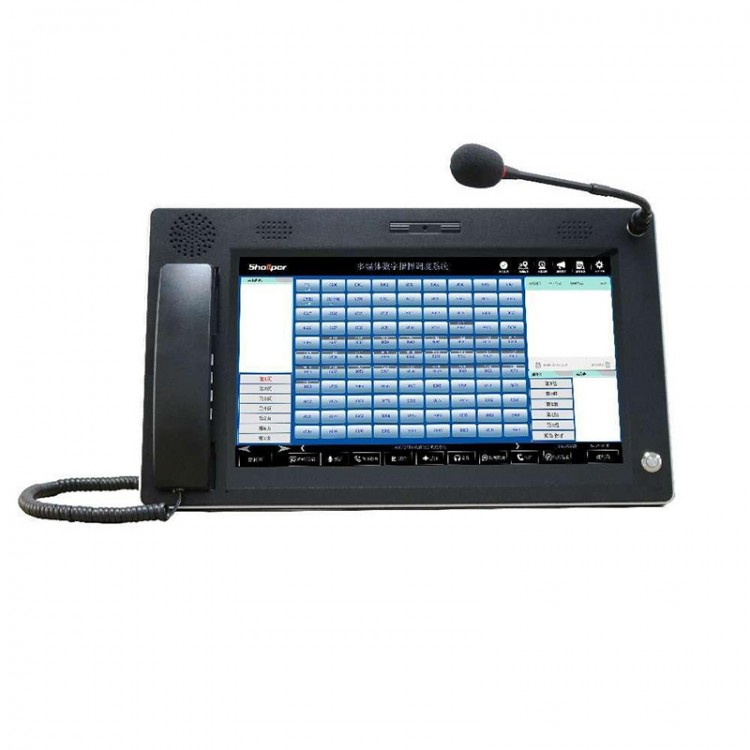
The Xiaobeng Technology Mining Integrated Communication Dispatch System is a unified solution based on the integration of TDM architecture and IP networks, offering a range of multimedia dispatch services including voice dispatch, video联动 scheduling, teleconferencing, SMS notifications, broadcast announcements, trunking intercom dispatch, and gas alarm联动. It supports integration and development with third-party data services, security alarms, emergency response plans, GIS systems, and forms a powerful multimedia communication platform.
It serves as the core system for emergency dispatch and command management, aiming to build a modernized emergency command system for mines, strengthen safe and efficient production in mines, enhance the rapid response capability of the enterprise to sudden events, improve the efficiency of emergency response to sudden events and the allocation of emergency resources during emergencies, and promptly coordinate the collaborative disaster relief tasks between production and disaster relief departments.

Unique Features:
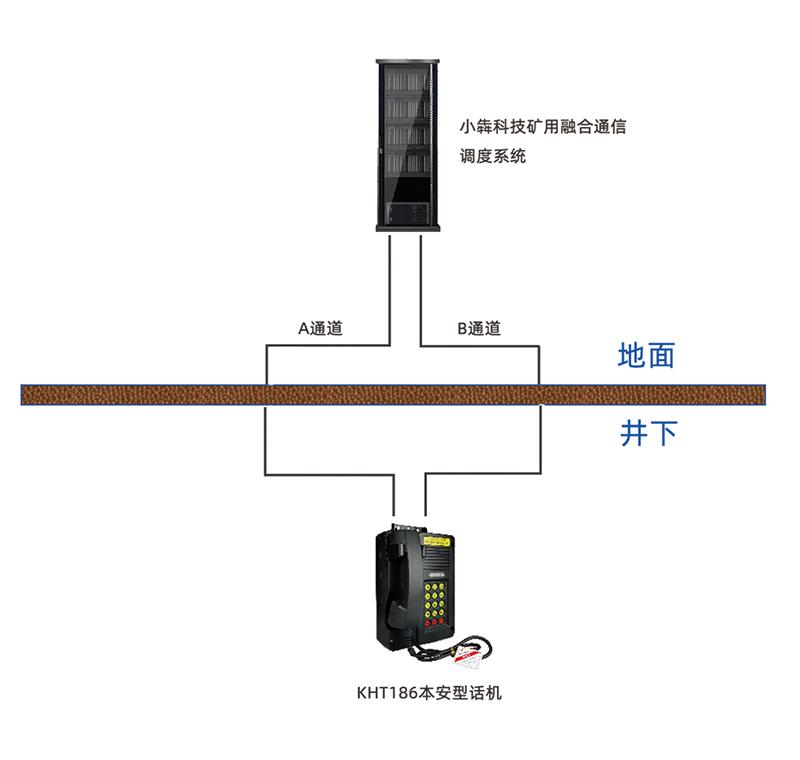
Dual circuit protection function
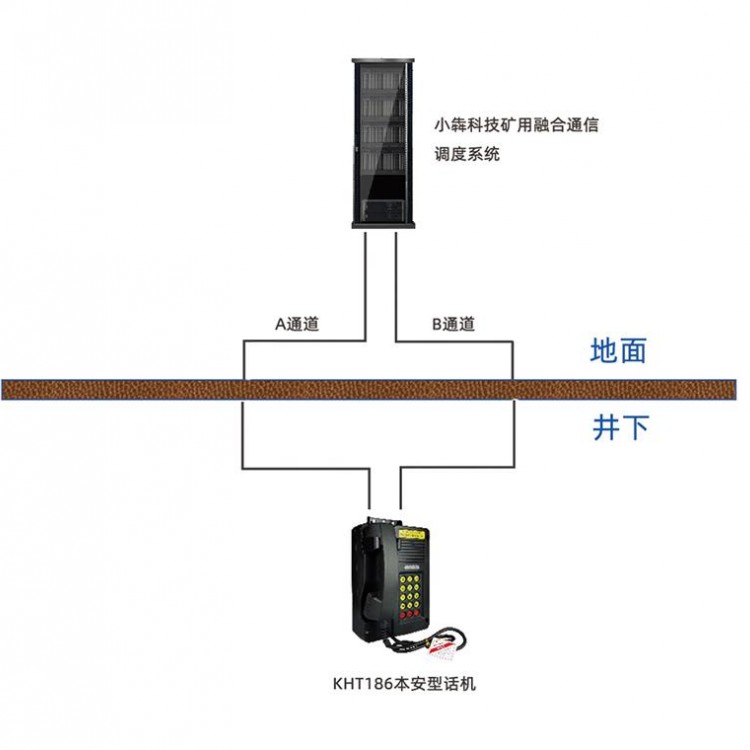
By connecting the KTH186 telephone to the same line via two different communication paths, the dual-loop function is achieved. In the event of a line failure, the other line immediately takes over to ensure uninterrupted communication, with line failure information simultaneously reported to the dispatching console. The telephone can operate with dual numbers.
Uncontrolled board design
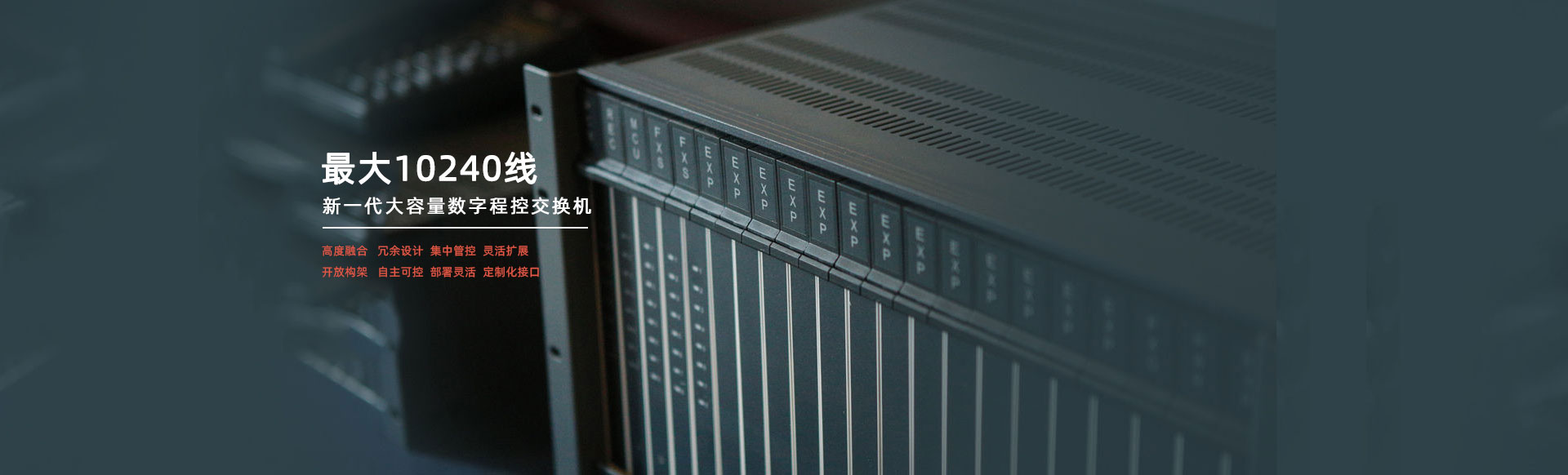
A single MCU main control board supports up to 7 frames, with a maximum of 1792 lines.
Unique Function of IPO Relay Board
In addition to IP relay functionality, it also supports IP phone registration. Two specifications available: 32 concurrent, 256 user registrations/128 concurrent, 768 user registrations.
The recording board supports redundant hot backup; no additional recording server is required.
Higher integration, a richer variety of card types, and all modules support hot swapping.
Repeater Boards: FXO Loop Repeater Board, IPO Repeater Board, PCM Digital Repeater Board, E/M Repeater Board, Carrier Repeater Board, Magnet Stone Repeater Board.
User Boards: FXS Analog User Board, IPS User Board, LFXS Long-Distance User Board, QFXS All-Call User Board, AFXS Long-Distance All-Call User Board.
Special Function Boards: REC Recording Board, HF Cluster Gateway Board, AUD Audio Interface Board, DMB Broadcasting System Board, ALM Dry Contact Alarm Board, RLD Fusion联动 System Board.
Scheduling Function:
Video Scheduling:
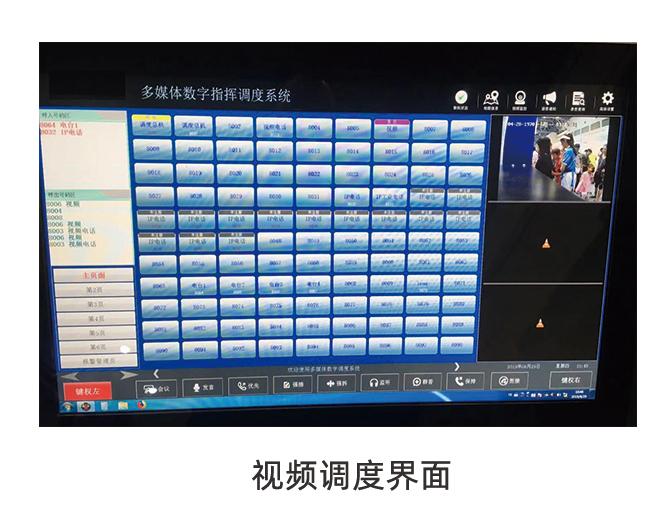
One-click Dispatch: Allows network cameras or analog cameras to be paired with landlines or mobile phones and other communication terminals. When the dispatch console calls the terminal, the system will retrieve the corresponding surveillance video and display it on the dispatch console, achieving an integrated audio-video command and dispatch function with the ability to hear and see the person.
Voice Dispatch
The dispatch console allows for scheduling various communication terminals such as analog/IP phones, mobile phones, walkie-talkies, etc., offering features like individual call, group call, round-robin call, conference call, force insertion, force disconnect, auto-answer, listen-in, mute, transfer, roll call, and answer on behalf.
Broadcast Scheduling
One-Click Broadcast: In case of emergencies, an emergency broadcast can be triggered manually (or automatically) with a single click. Also supports video linkage.
Scheduled Broadcasts: Customize multiple broadcast plans in advance, catering to different time periods, regions, and content.
Announcement Broadcast: Leaders or dispatchers can make announcements through landlines, mobile phones, or dispatch desks, etc., to the broadcast system. Supports concurrent announcements with multiple sources and microphones.
Multiple broadcasting methods: Supports features such as voice notifications, public announcements, paging announcements, TTS text-to-speech broadcasting, level broadcasting, command broadcasting, scheduled broadcasting, and task process broadcasting.
Alarm联动:
Upon detection of danger, the alarm system can automatically send alarm signals to the command and dispatch platform (or manually trigger a one-button alarm), where the dispatch desk will automatically activate visual and audio alarms to alert relevant personnel. Simultaneously, the broadcasting system will automatically issue danger warnings to the affected areas.
We support numerous brands such as Nanjing North Road, Guangli Technology, Zhongmei Electronics, Jiangsu Sanheng, Chongqing Coal Research Institute, Chongqing Coal Safety Sen, and Tiandi (Changzhou) Automation.

Cluster Intercom
Supports mixed networking of wired and wireless intercom groups.
Supports communication with landlines, mobile phones, and walkie-talkies via various terminals.
Supports dial-up interconnectivity, one-touch call talkback.
Supports various models and formats of two-way radio mobile units and hand-held units.
Supports walkie-talkie call broadcasting system and triggers preset broadcast audio.
SMS Scheduling:
Under normal circumstances, dispatchers can manually send SMS messages to the mobile terminals of relevant personnel through the dispatch console. In emergency situations, following the procedures set by the contingency plan, the dispatch system will automatically carry out individual or mass SMS distribution.
Contingency Scheduling
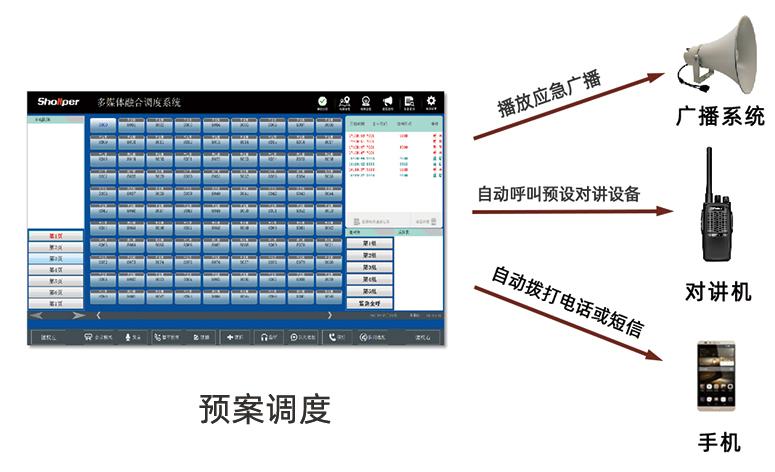
When the actual situation meets the trigger conditions set by the system, the pre-set response plans can be automatically or manually activated, such as: automatically dialing the fixed lines or mobile phones of relevant personnel or superiors; sending reminder SMS messages to the relevant personnel; playing emergency broadcasts, etc.
GIS Geographic Information System
Utilize the GIS geographic information system's positioning function to identify the locations of various information terminals. On the dispatching console, you can make a one-click call to the communication terminals at the marked locations, while also accessing the bound points.
Additional Features:
Multi-network Convergence
Seamlessly integrate various communication networks (IP, satellite communication, PSTN, GSM, CDMA, WiFi, WiMax, analog and digital trunking systems, etc.) to achieve a unified融合 of wired, wireless, fixed, and mobile networks.
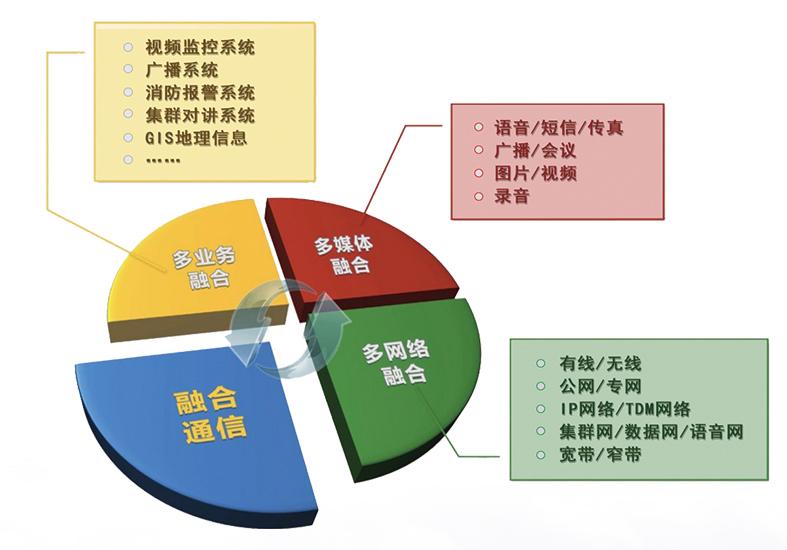
Integrated Operations
Supports unified and hierarchical dispatching. Responsible for daily administrative office communication, routine production scheduling, emergency dispatching during sudden events, and monitoring and dispatching of communication terminals for various positions.
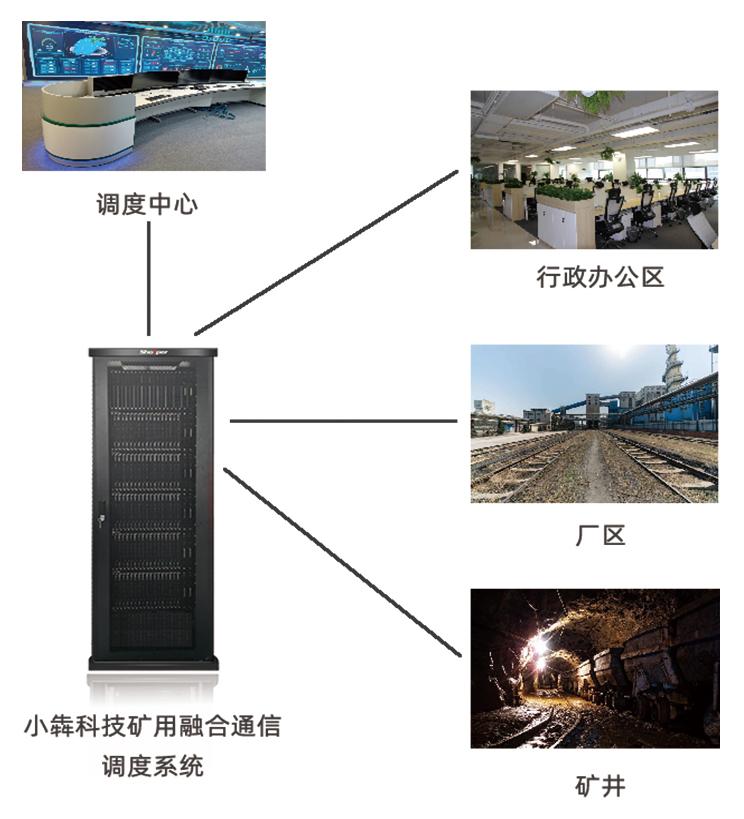
Standard IP Networking
Internally: All communication devices or terminals supporting IP protocols can be deployed in any area covered by IP and wireless networks within the system.
externally: Accessible through the IP protocol to the IMS platform, or connect to other communication devices via IPO. The IP protocol supports centralized and distributed system deployment.
Multiple scheduling modes
Supports unified line dispatching, centralized scheduling, hierarchical scheduling, and emergency dispatching.
One-touch feature
Support one-click alert, broadcast, conference, call, and emergency call.
Flexible Networking:
Supports group networking, multi-level networking, multi-domain networking, and various other networking methods.
Phone Conference:
Initiate Meetings: Supports various methods to initiate meetings, such as ad-hoc gatherings and fixed groups.
Meeting Permissions: Capable of initiating meetings at various levels; the console allows one-click meeting scheduling.
Conference Members: Support simultaneous conferencing with various terminals such as internal/external line IP phones, landline phones, walkie-talkies, and mobile phones.
High concurrency: Up to 128 participants, with over 64 parties in full-duplex speaking.
Real-time Monitoring:
Through the dispatch console, the status of various types of dispatch terminals (online, faulty, incoming, outgoing, ringing, in call) can be monitored in real-time. Accurately presents all call information, who...
Who are you calling? The clear, visual interface displays call information.
Redundant backup
The MCU main control board, primary power box, secondary power board, and recording board all support redundant hot backup.
Dispatch Console:
Supports both analog and IP dispatch consoles, and can connect an unlimited number of IP dispatch consoles.
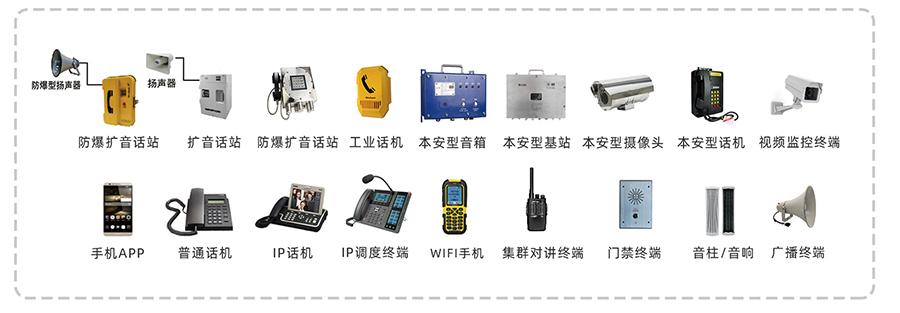
Diverse terminal access options:
Control desks, analog/SIP/stone phones, WIFI phones, IP/analog cameras, microphones, headphones, analog/network amplifiers, network speakers, speakers, explosion-proof telephones, walkie-talkies, SOS alarms, access control systems, etc.
Quick deployment, easy maintenance:
Supports WEB remote debugging and maintenance.
Support for secondary development:
Offer an open SDK with support for secondary customization and development. Facilitates users to carry out new business function development in the future, as well as integration and connection with third-party business platforms.
……


