

Recycled Wires and Cables: A Positive Impact on the Environment
"Both mountains of gold and silver, and green hills and clear waters" is the slogan proposed by the state in 2012. As the pace of industrial upgrading and technological replacement accelerates, an increasing number of products become obsolete and lose their utility, transforming into waste goods. Therefore, the full utilization of waste goods and resources is a crucial matter. Properly handling harmful waste resources, preventing pollution and environmental destruction, the recycling and reuse of waste becomes particularly important and urgent.
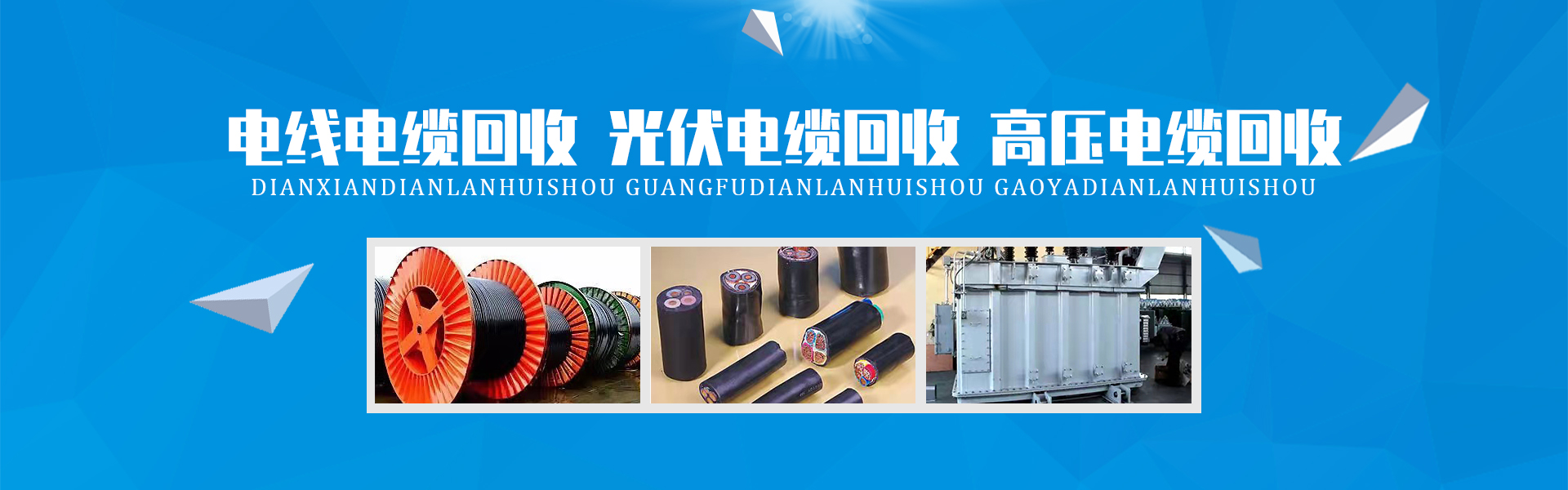
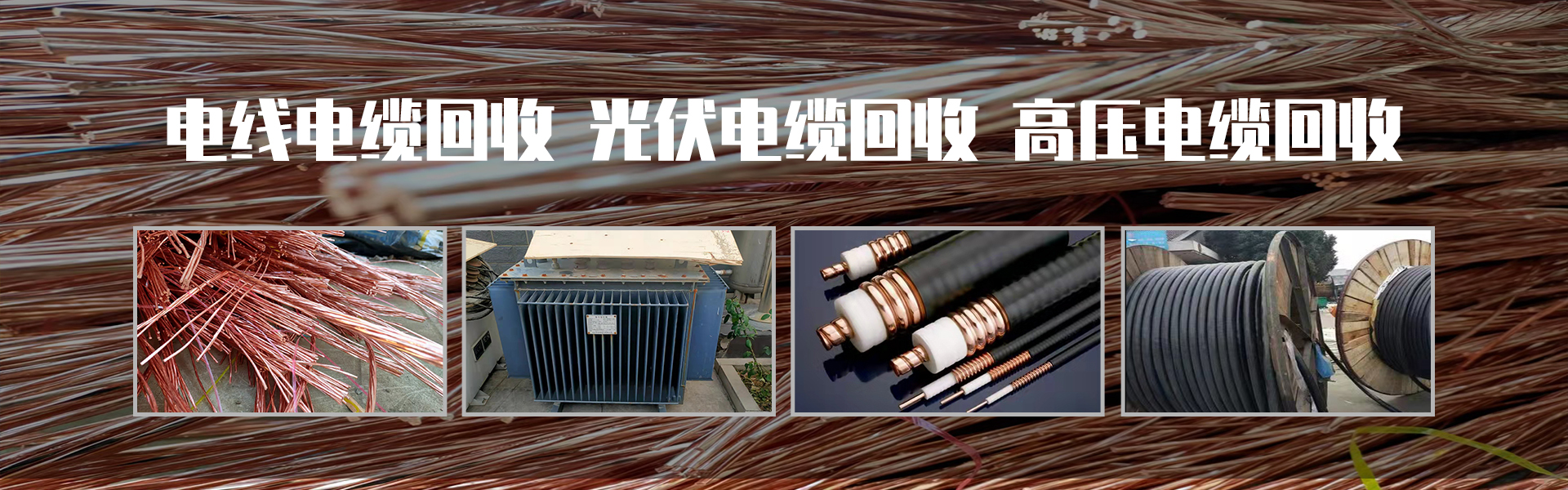
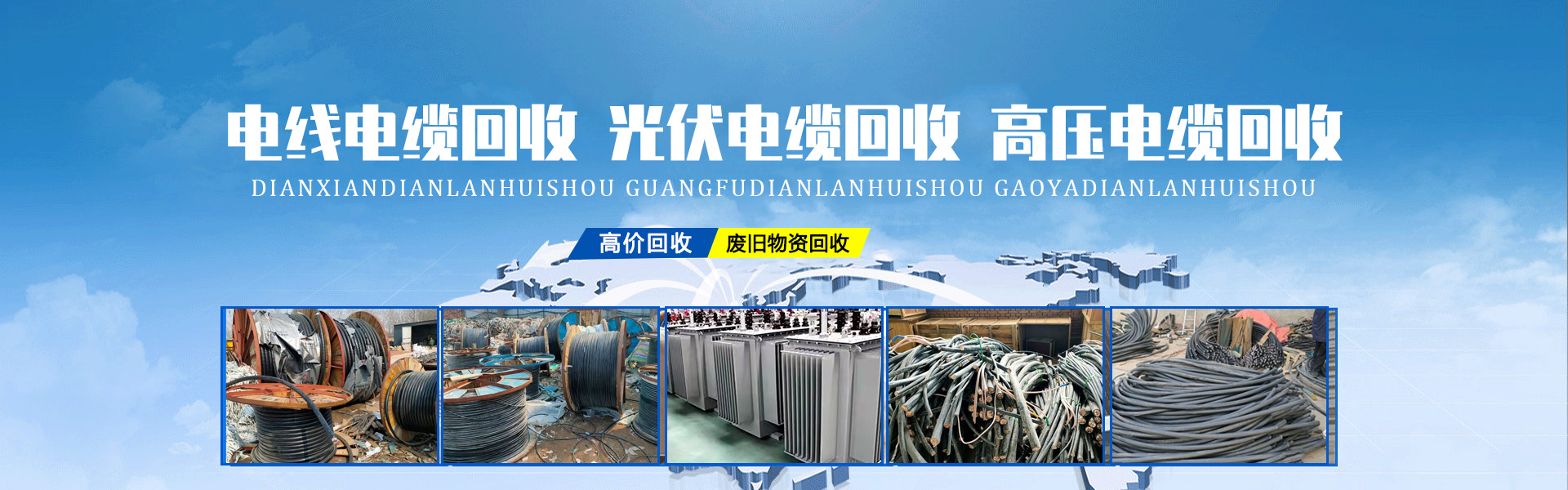
Each year in our country, a large volume of wire and cable is retired due to aging lines, and these discarded cables are made of copper or aluminum, illustrating their significant value for recycling. Many people still don't understand why it's important to recycle old wire and cable. In fact, doing so not only maximizes the remaining value of the discarded cables, turning waste into treasure, but also helps to reduce environmental damage.
Recovered scrap wire and cable usually exhibit varying degrees of aging, with a corresponding loss of additives. Although the processed properties of recycled wire and cable differ from new materials, recent research data indicates that these properties can be enhanced by re-formulating and adding necessary functional additives. To meet different product requirements, different process formulations and techniques are employed for the regeneration of molten scrap wire and cable. This involves crushing the material and then adding appropriate functional additives for a second granulation, producing a specialized lining material, which is used in the extrusion process for the insulation layer of wire and cable.
Additionally, in a sense, cable recycling makes our current cable usage more convenient. The cost of cables and wires can be quite expensive, but when we can no longer use them, we can recycle them, which can significantly reduce economic investments. Moreover, if our requirements for the cables and wires are not stringent, we can readily use recycled cables and wires that meet the necessary standards.
Overall, China's technology for recycling and utilizing waste electrical wires and cables is not advanced, and the level of pollution prevention is low, posing a serious environmental pollution risk. However, we can leverage the advantage of our large demand, adapt to local conditions, reduce recycling costs, and enhance economic benefits; at the same time, from the perspective of protecting the ecological environment and optimizing economic benefits, moderately develop domestic recycling resources. The recycling and reprocessing of waste electrical wires and cables can not only protect the environment but also reduce production costs for enterprises, making it a great environmental investment!
News Center Co., Ltd.
