

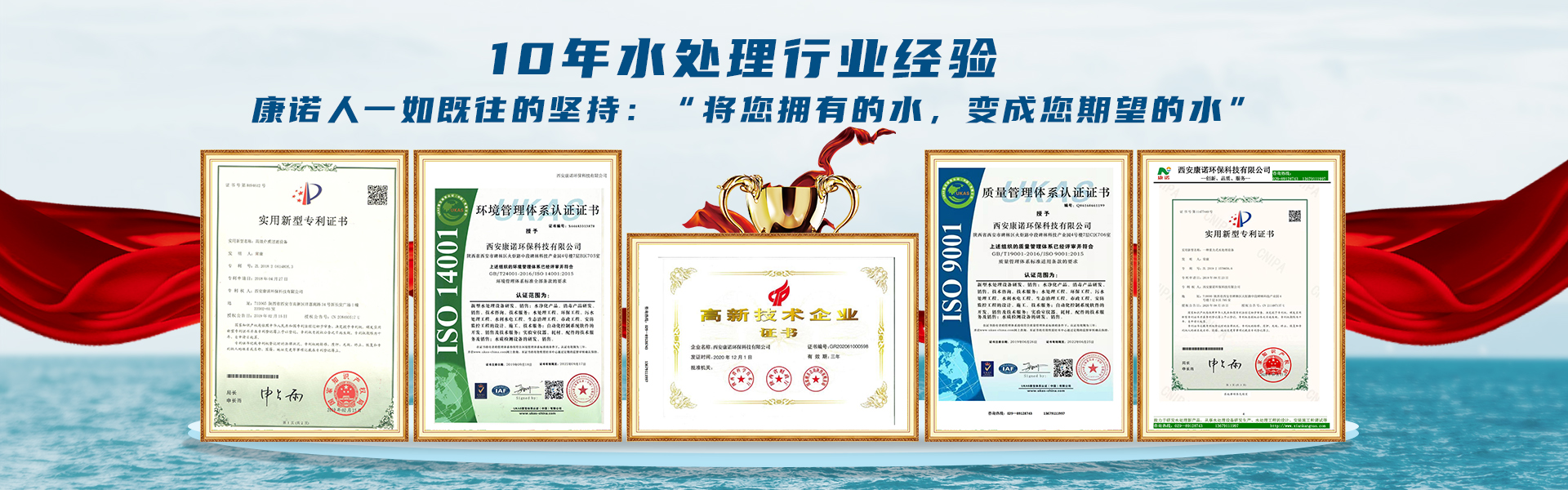


 通过中商114认证
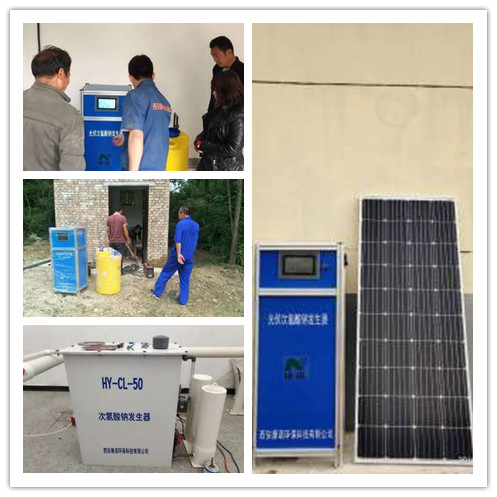
A sodium hypochlorite generator for photovoltaic systems is a device that generates a sodium hypochlorite solution by undergoing an electrochemical reaction through low-concentration saltwater via an electrified electrode.
Currently, in terms of water disinfection types, there are agents and methods such as CL2, sodium hypochlorite, chlorine dioxide, trichloroisocyanuric acid, hydrogen peroxide, ozone, as well as some other means like iodine water, high-valent oxidized water, and UV disinfection.
In disinfectants, although CL2 is economical, its transportation and storage pose safety concerns. Moreover, its low solubility in water when dissolved as a gas results in fluctuating pressure in CL2 bottles, leading to inaccuracies in dosing. Additionally, the diffusive nature of gases like CL2 has toxic effects on the environment. The highly reactive free chlorine readily forms carcinogenic chlorinated organic compounds, such as tetrachloromethane and dioxins, when combined with many organic substances.
