


 通过中商114认证
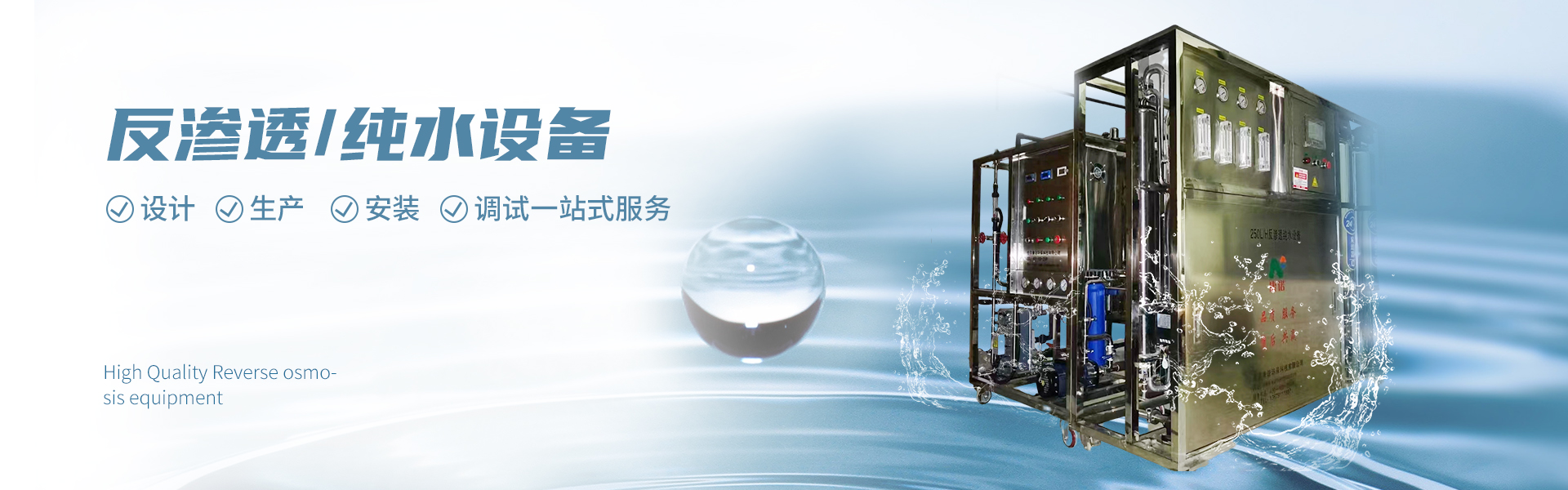
Reverse osmosis is a core technology in the water treatment industry, utilizing the natural direction of water permeation in nature and the selective permeability of reverse osmosis membranes to completely separate impurities, effectively improving the water quality of the effluent. Its working process is physical, without adding any chemicals or disinfectants, ensuring no chemical transformation occurs. It also boasts advanced technology, simple operation, low operation costs, and excellent water production effects.
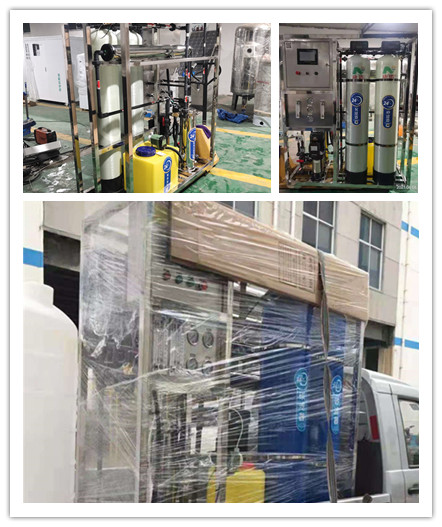
What are the differences between single-stage and double-stage reverse osmosis equipment?
1. Exterior Differences
Single-pass reverse osmosis equipment features a vertical pump, while bipolar reverse osmosis equipment is equipped with two vertical pumps.
2. Process Flow Distinctions
The Single Stage Reverse Osmosis (RO) system, also known as the First Stage RO system, is a device that removes certain substances from water by utilizing a single-stage membrane separation technology. The water produced directly from the raw water after pretreatment systems and precision filters, and pumped by a high-pressure pump to the RO unit, is referred to as Single Stage Reverse Osmosis water.
The dual-stage reverse osmosis equipment, also known as two-stage reverse osmosis, involves the water being filtered through two RO reverse osmosis membranes. It starts with the raw water being pressurized and sent to the pretreatment system for coarse filtration, followed by passing through a fine filter. The water is then pressurized further by a high-pressure pump and sent to the first-stage reverse osmosis system. The water produced by this system is subsequently pressurized again by a second high-pressure pump and sent to the second-stage reverse osmosis system, yielding the dual-stage reverse osmosis water. Dual-stage reverse osmosis water has a higher salt rejection rate than single-stage reverse osmosis water. When the quality of the raw water is close to that of tap water, the dual-stage reverse osmosis technology can achieve an electrical conductivity of 10 μs/cm. For general industrial or other applications where water quality requirements are not stringent, single-stage reverse osmosis equipment is typically used. However, for poor-quality raw water or when stringent water quality standards are required, dual-stage reverse osmosis equipment is the preferred choice.
