
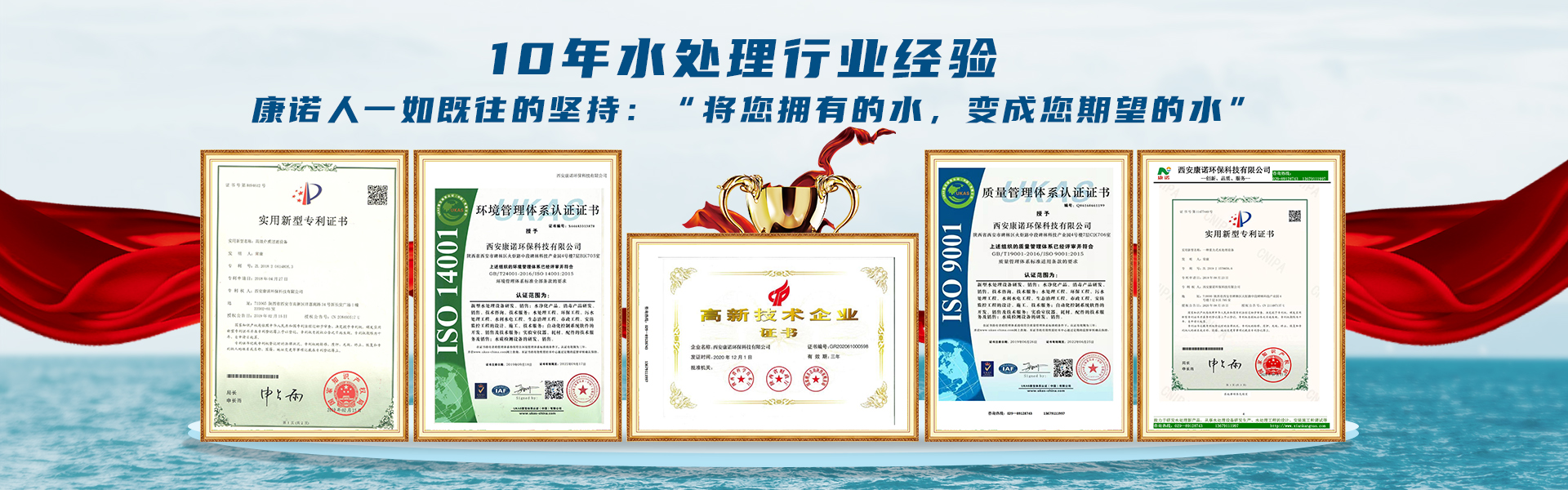


 通过中商114认证
Water is the source of life, and tap water is the lifeline of the city.
City Water Services involves thousands of households and is an important part of the urban social service system. It plays a significant role in urban development, social stability, and the continuous improvement of people's living standards.
With the rapid development of the new generation of information technologies such as the Internet of Things, cloud computing, big data, and remote sensing, China is experiencing a surge in the construction of "smart cities."
As a key component of smart cities, smart water management has become a significant direction for transformation and upgrading in China's water sector. According to the Smart Water Management Industry Technology Innovation Strategic Alliance, smart water management is one of the important indicators reflecting the level of urban management intelligence. It serves as a crucial support and guarantee for the development of water affairs, industry management, and services, and is also an essential technical support for safeguarding people's livelihood.
As urban development accelerates, water supply companies are facing multifaceted challenges including water quality pollution, supply scheduling, and emergency water supply. Ensuring the safety of urban water supply, minimizing the occurrence of safety accidents, controlling the losses caused by accidents and emergencies, and maximizing the protection of national property and people's livelihood from economic losses and impacts is crucial. It is imperative to establish a municipal-level water safety monitoring platform on a sound and reliable basis, respond swiftly, act decisively, and effectively handle any potential emergencies. Enhancing the city's and the company's emergency response capabilities and establishing a water supply safety assurance system and water emergency system cannot be delayed.
The construction of Smart Water Management provides firsthand accurate information for urban intelligent management and scientific decision-making, making it possible for refined management of urban water resources. Smart Water Management encompasses various aspects such as hydrology, water quality, water resources, water supply, drainage, flood prevention, and waterlogging control.
By integrating the business cycle from "source water - water production - water supply - water use - wastewater - water conservation," we will create an integrated urban-level dispatch and control platform through the integration of new-generation information technologies such as the Internet of Things, cloud computing, big data, and mobile applications. This platform encompasses four dimensions: data collection, data analysis, comprehensive dispatching, and scientific decision-making. Corporate decision-makers, managers, and implementers can utilize the platform's hydraulic models and simulation models to enhance the city's and water utility's response capabilities in emergencies, event coordination, and event management. This aims to reduce or avoid economic losses to the nation, water supply companies, and the public caused by unexpected events.
Overall, the development of China's Smart Water Management has primarily gone through three stages: automation, informatization, and intelligence.
China's smart water management is still in its early developmental stage, with numerous challenges facing the entire field. There is still a significant amount of manual involvement and intervention, and the goal of intelligence has yet to be fully realized.
Industry consensus on the understanding of Smart Water Management is lacking.
2. Standard specifications for smart water management are somewhat lacking.
3. Poor data performance also hinders the operation of Smart Water Management.
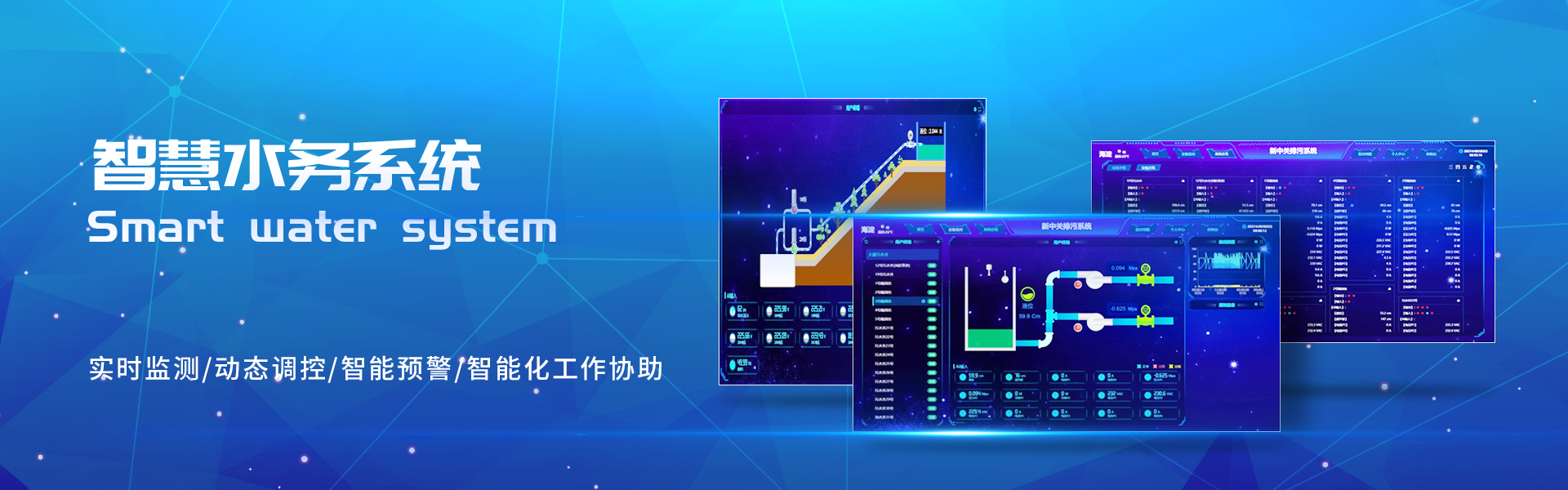
Conno Environmental Wisdom Water Management, guided by application needs and aiming to build a smart water management platform, is based on core technologies such as cloud computing, the Internet of Things, and big data, to construct information systems and data resources that meet users' on-demand services.
The system provides comprehensive monitoring and scheduling management services for waterworks production processes.
2. Establishing a unified data center will integrate and categorize the production and operational data from scattered water treatment plants into specialized or comprehensive databases, providing consistent data services for refined management and scientific decision-making.
3. Goutong eliminates information silos across production, management, and planning decision-making by establishing an information channel. It constructs an intelligent water resource management platform with "one center, two networks, and three platforms."
"The 'One Center' refers to the Smart Water Management Data Processing Center; the 'Two Networks' encompass the Industrial Network for Production Site Monitoring and the Management and Decision-Making Information Network; the 'Three Platforms' include the Monitoring and Production Operation Platform, the Unified Management and Command Platform, and the Government Affairs Comprehensive Application Platform.
