

- AllProduct Category
-
Stainless Steel Storage Tanks, Carbon Steel Storage Tanks
Agitator Tank
Hydrochloric Acid Storage Tank
Lye Storage Tank
Sulfuric Acid Storage Tank
Steel Lined Plastic Storage Tank


详情描述
Product Features:
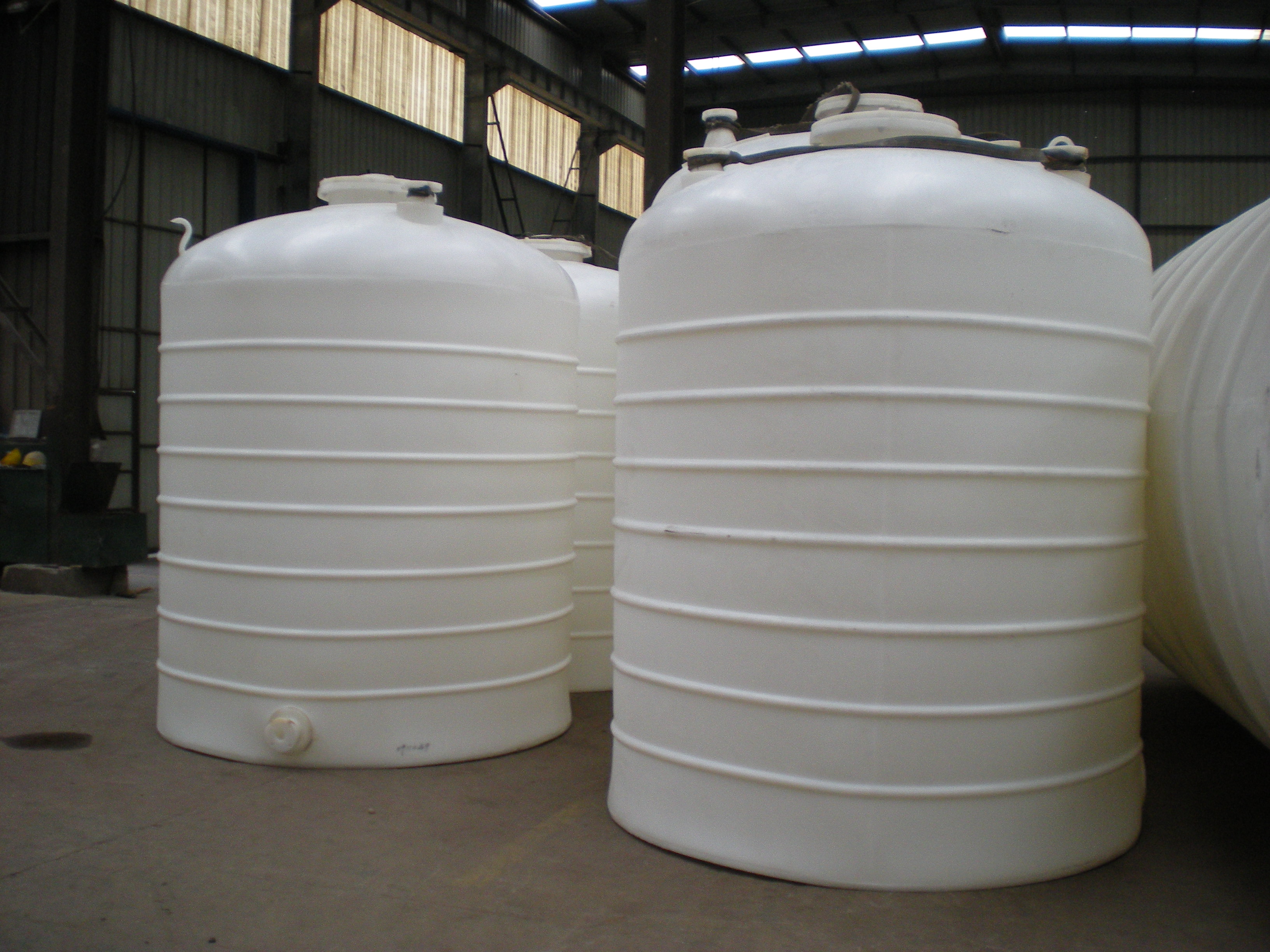
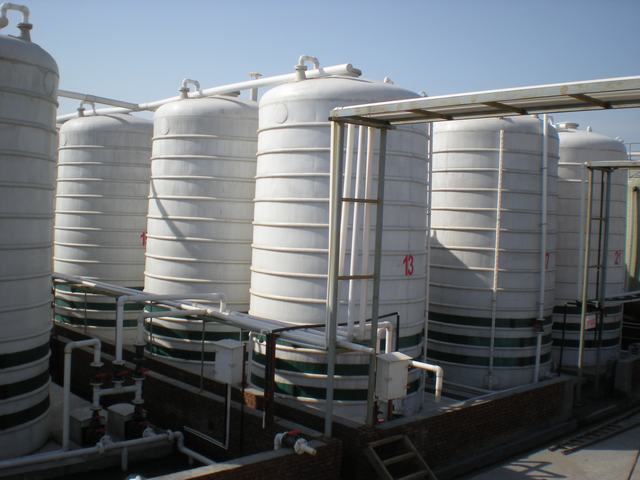
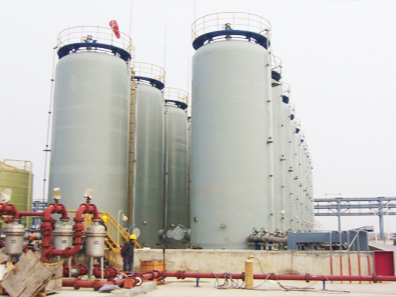
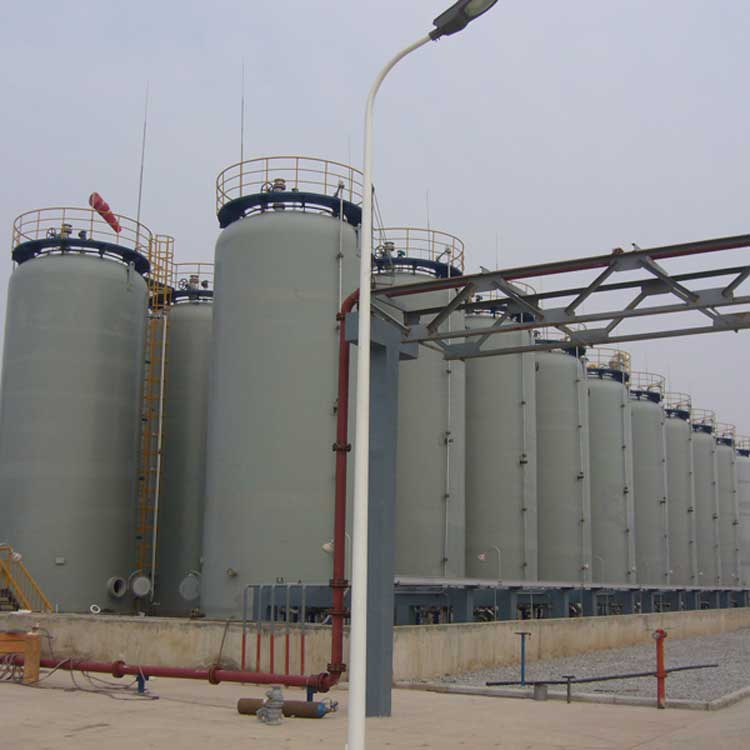
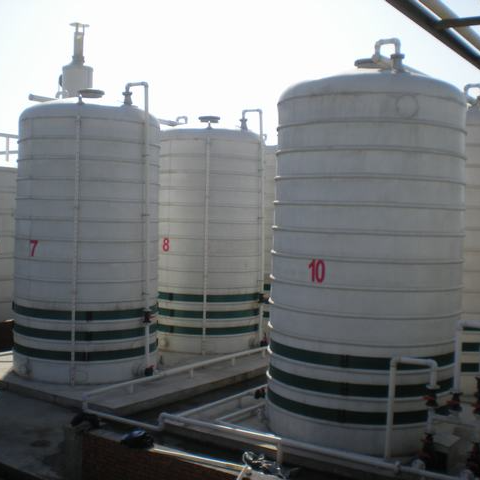
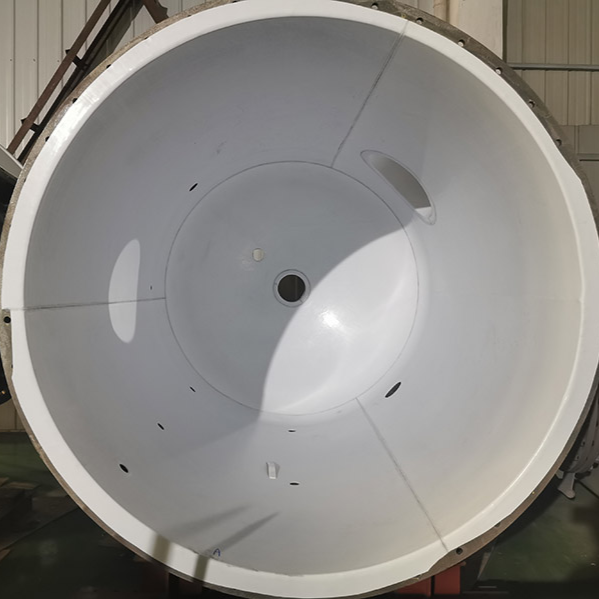
1. Material: Two series available. A: All Plastic: Made entirely of modified polyethylene. B: Steel Lined Plastic: The outer layer is a tightly bonded steel drum (with a steel mesh welded to the steel plate, which is then fully cast in polyethylene.)
2. Process: The rotational molding process uses a mold for one-time overall molding, ensuring the entire structure (including the flanges of the inlets and outlets) is seamless and leak-proof. The exterior is smooth and attractive, with an interior surface that is also smooth for easy cleaning.
3. The material exhibits excellent toughness, capable of withstanding external impacts (can be struck with a large hammer without damage), which is a significant advantage over ceramics, fiberglass, and vitreous enamel products that are prone to cracking upon impact.
4. Materials are non-toxic and meet food hygiene standards. Suitable for food production and storage.
5. Lightweight, reducing transportation costs.
6. Excellent corrosion resistance with a wide range of corrosive media. Resistant to sulfuric acid and dilute nitric acid, as well as any concentration of hydrochloric acid, hydrofluoric acid, phosphoric acid, formic acid, acetic acid, amines, hydrogen peroxide, sodium hydroxide, potassium hydroxide, and solutions of these salts. Can withstand a variety of alkaline solutions and 50% sulfuric acid, 40% nitric acid at temperatures below 60 degrees Celsius. Specific media and concentrations available upon request.
7. Important Reminder for Choosing Polyethylene Tanks: We have emphasized this numerous times, but some users are simply attracted to low prices. As the saying goes, "You get what you pay for." The main quality issues with polyethylene tanks are whether the tank body, inlet, outlet, level gauge port, flange, manhole, etc., are formed in one mold without welding. Due to the poor welding performance of polyethylene, the welding strength does not meet the strength requirements for use. The later additions (screw thread method), and later welding (hot melt method) for inlets and outlets do not meet the requirements for chemical non-seepage, no dripping, and no leakage. Therefore, when selecting chemical polyethylene tanks, customers must ensure that the tank body, inlet, outlet, level gauge port, flange, manhole, etc., are formed in one mold without weld seams to fundamentally solve and reduce unnecessary leaks, spills, and drips. Never choose tanks with welded inlets and outlets.