
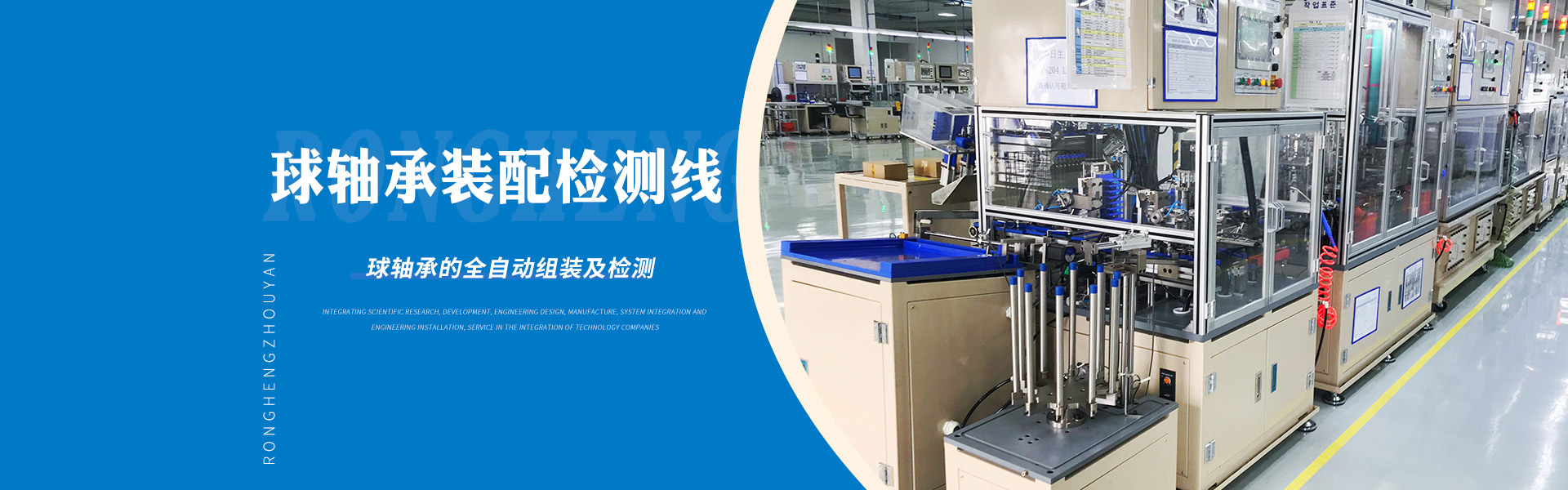
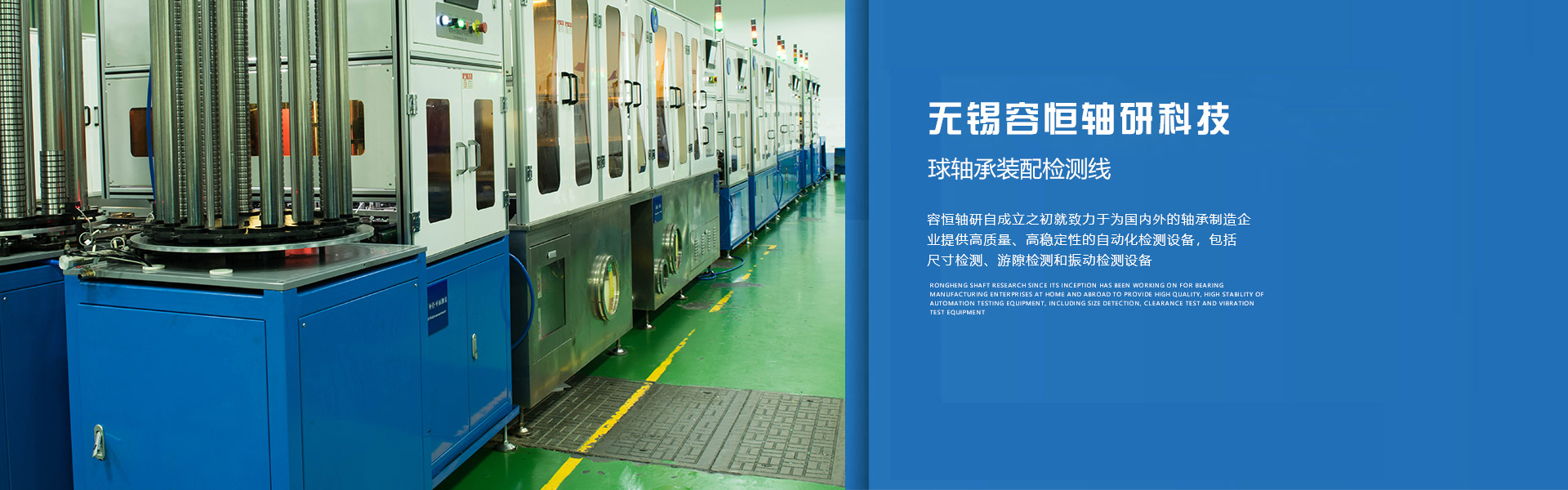

Wuxi Rongheng Axle Research - Angular Contact Ball Bearing Assembly Line: Discover the Difference Between High-Precision and Standard Ball Bearings
Bearings are a crucial component in modern machinery and equipment. Their primary function is to support rotating parts of machinery, reduce friction coefficients during movement, and ensure rotational accuracy. Depending on the friction properties of the moving elements, bearings can be divided into two main categories: rolling bearings and sliding bearings. While rolling bearings are standardized and serialized, they generally have larger radial dimensions, more vibration, and noise, and are also more expensive compared to sliding bearings. Rolling bearings typically consist of four parts: the outer ring, inner ring, rolling elements, and retainer. According to the shape of the rolling elements, rolling bearings are further categorized into ball bearings and roller bearings. What are the differences between high-precision bearings and ordinary bearings? Let the angular contact bearing assembly line guide you through.
Precision bearings are classified according to ISO grading standards as: P0, P6, P5, P4, P2. The grades increase in order, with P0 being standard precision and the other grades being precision levels. Of course, different grading standards and different types of bearings may have varying grading methods, but the meaning is consistent. Precision bearings require rotating bodies to have high runout precision, high-speed rotation, and minimal friction and friction changes.
In terms of dimensions, precision bearings and standard bearings have different requirements. Products with higher precision levels have smaller dimensional deviations (such as inner and outer diameters, and ellipticity) compared to those with lower precision levels. Secondly, there are different requirements for the rotational precision of the bearings, with products of higher precision levels demanding stricter rotation accuracy (including inner and outer diameter run-out, face run-out, and track跳动). Furthermore, precision bearings and standard bearings have varying requirements for surface shape and quality, with higher precision bearings demanding stricter surface shape and quality standards (such as track or groove surface roughness, circular deviation, and groove deviation). Lastly, bearings with exceptionally high precision levels are made from materials that offer superior performance compared to those used in standard precision products.
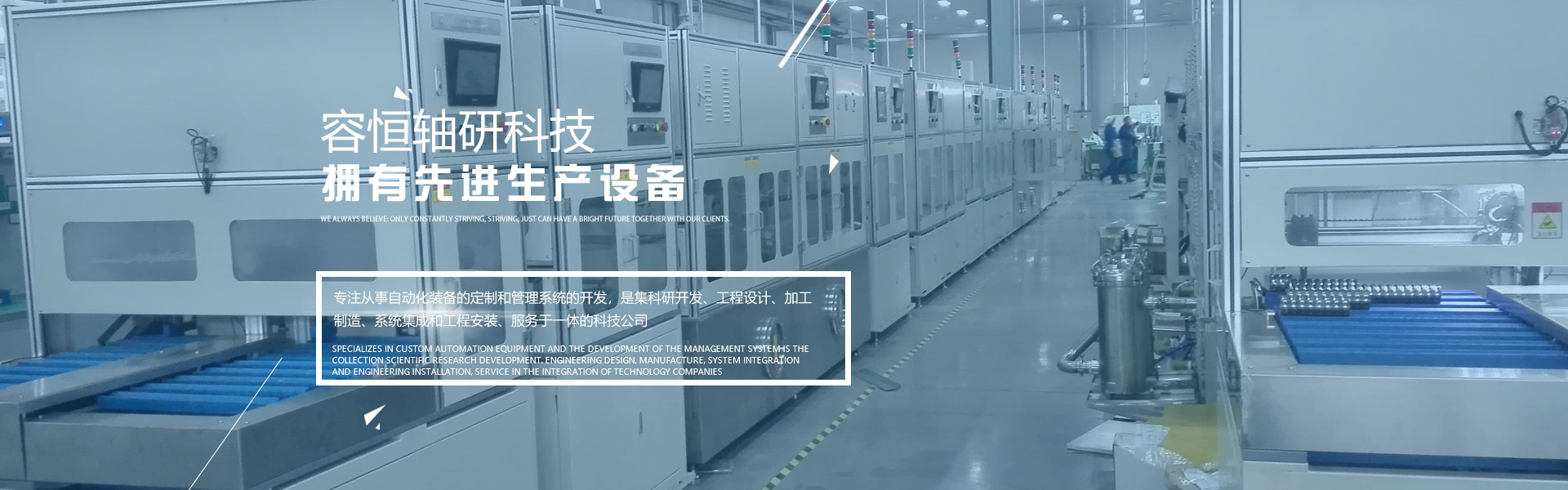
Wuxi Rongheng Axle Research Technology Co., Ltd. specializes in the customization and development of automation equipment and management systems, an integrated technology company encompassing scientific research and development, engineering design, processing and manufacturing, system integration, and engineering installation and service.
