
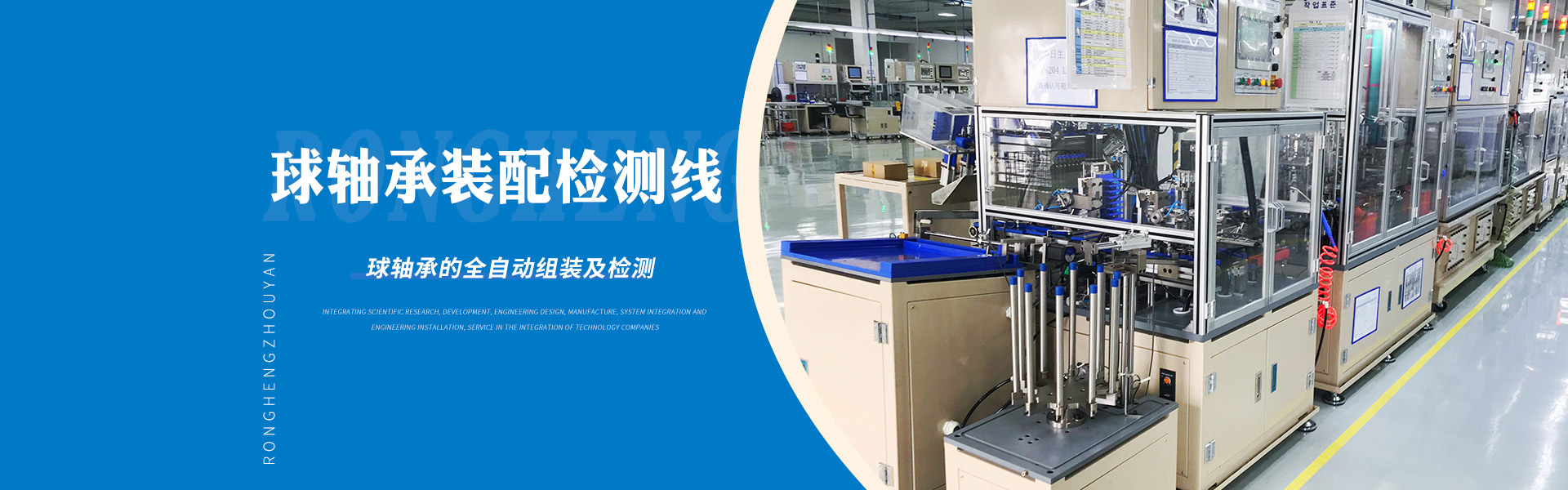
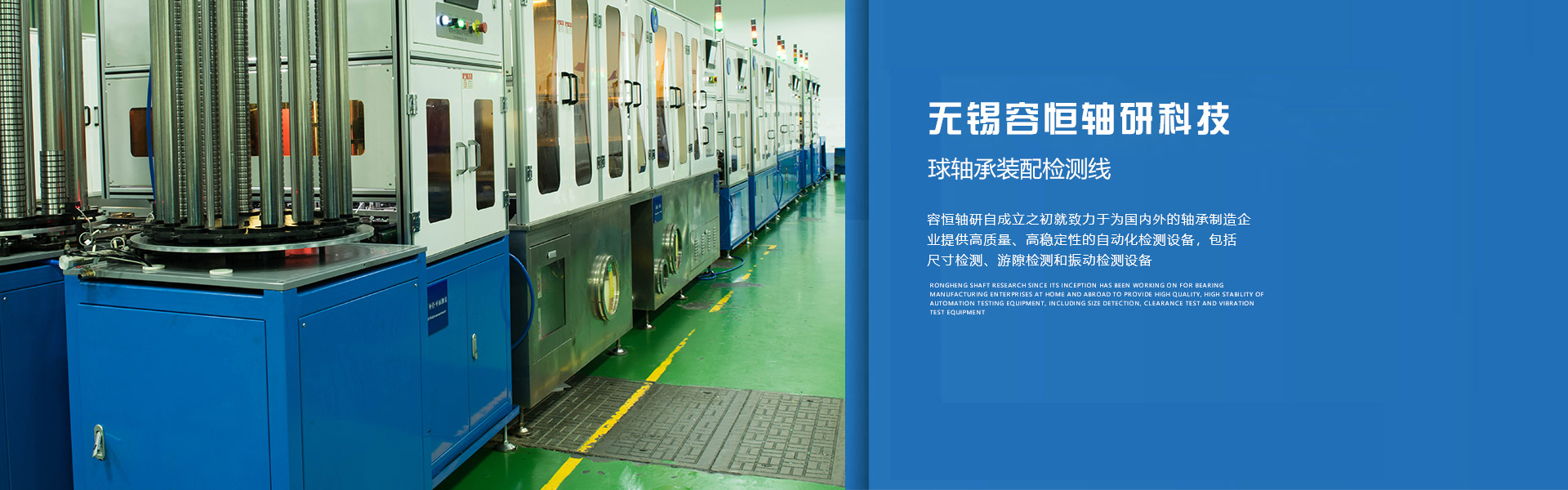

Wuxi Rongheng Axle Research Technology - Ball Bearing Assembly Line Introduction: How to inspect equipment after bearing installation
Upon completion of the bearing installation, a running check must be conducted to verify the correctness of the installation. Small machinery can be manually rotated to confirm smooth operation. Inspection items include checks for poor operation due to foreign objects, scratches, or indentations, unstable torque caused by poor installation or machining of the mounting base, and excessive torque due to too small clearance, installation errors, or sealing friction, etc. If no abnormalities are found, the machinery can proceed to power operation.
Large machinery cannot be manually rotated. Therefore, after starting with no load, power is immediately cut off, allowing the machinery to run freely for inspection. Check for vibrations, noises, and ensure that rotating parts are not in contact, etc. Once no abnormalities are confirmed, proceed to power operation.
Power up from no-load low speed, gradually increasing to the rated operation under set conditions. During the trial run, check for any abnormal sounds, changes in bearing temperature, leakage or discoloration of lubricants, etc. If any anomalies are detected, immediately stop the operation, inspect the machinery, and if necessary, remove the bearing for inspection.
Bearing temperature can generally be inferred from the external temperature of the bearing housing. However, measuring the temperature of the outer bearing ring directly through the oil hole is more accurate. The bearing temperature typically rises gradually from startup, stabilizing within 1 to 2 hours. If the bearing is installed improperly, the temperature will急剧 climb to an abnormal high level. Possible causes include excessive lubricant, too small bearing clearance, poor installation, and excessive friction in the sealing device. In high-speed rotating applications, incorrect bearing structure or lubrication method selection can also be contributing factors.
The rotating sound of the bearing is checked using a stethoscope, and the presence of strong metallic noises, abnormal sounds, or irregular sounds indicates a problem. Possible causes include poor lubrication, inadequate precision of the shaft or bearing housing, bearing damage, or foreign matter intrusion.
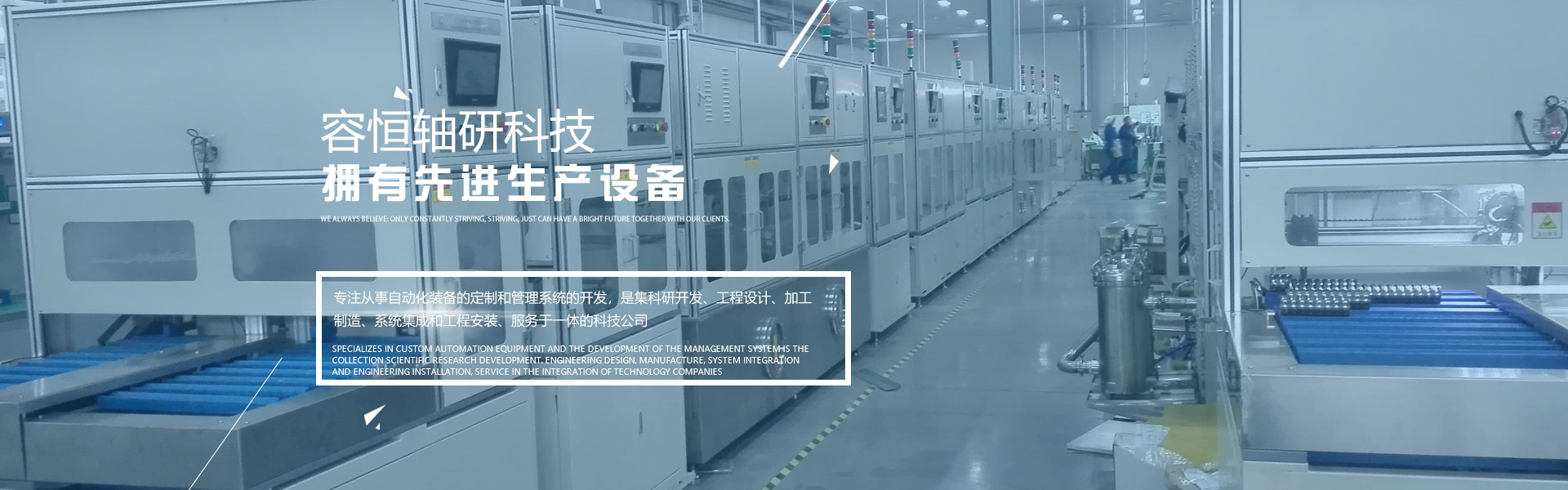
Wuxi Rongheng Axle Research Technology Co., Ltd. specializes in the customization and development of automation equipment and management systems, an integrated technology company encompassing scientific research and development, engineering design, manufacturing, system integration, engineering installation, and services.
