





- AllProduct Category
-
Boiler Low-Nitrogen Retrofit/Installation & Maintenance
Gas/Oil Boiler
Plate Heat Exchanger Unit
Volume Electric Water Heater
Volumetric Gas Water Heater
Pressure Vessel Storage Tank
Floating Tube Heat Exchanger
HRV Semi-Volumetric Heat Exchanger
RV Volume Heat Exchanger




详情描述
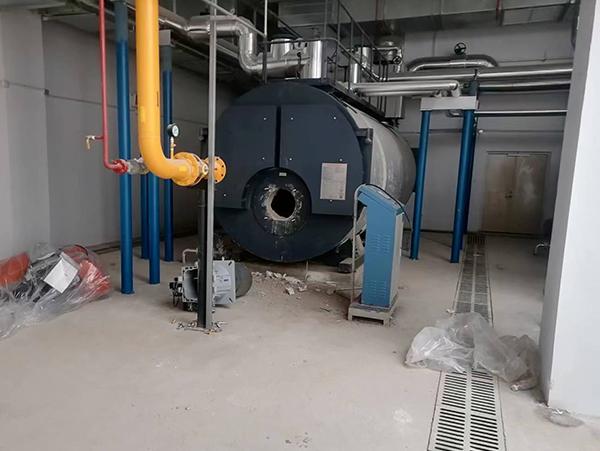
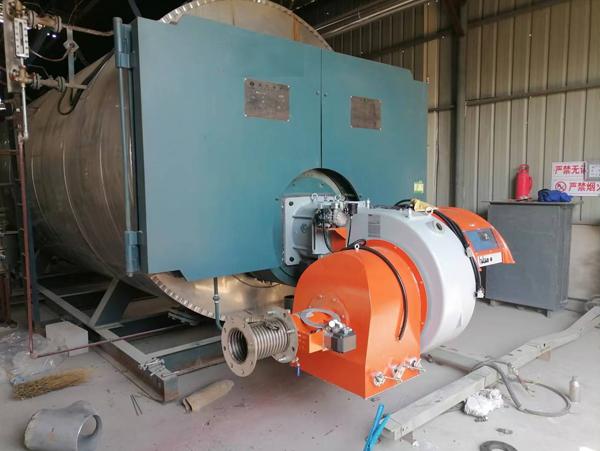
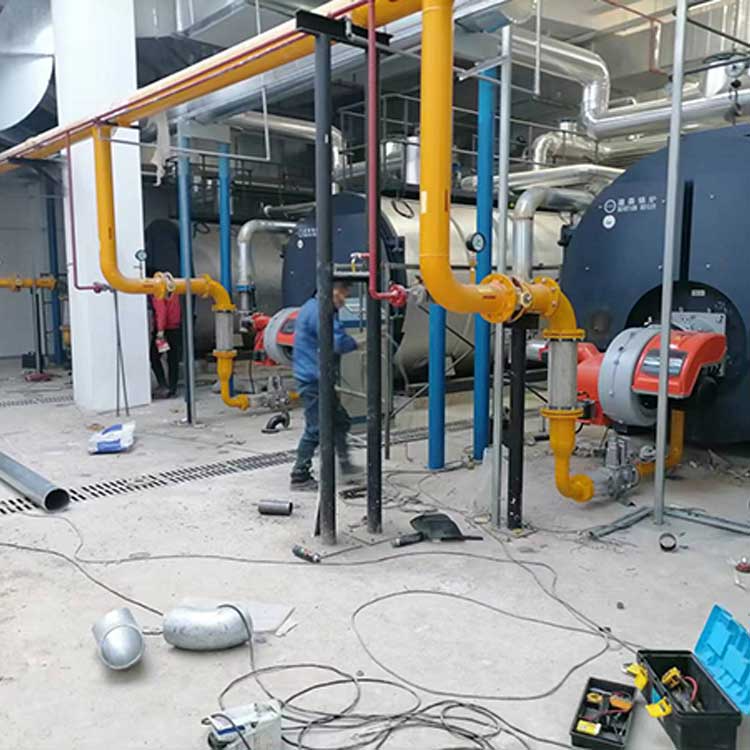
Low nitrogen retrofit for gas boilers requires the following modifications:
1. Gas boiler body modification
To undergo low nitrogen retrofitting, the boiler's body needs further upgrades and optimization. The upgraded furnace has a larger capacity, capable of meeting the combustion environment for natural gas, and effectively inhibits the formation of nitrogen oxides, achieving the goal of reducing nitrogen oxide emissions.
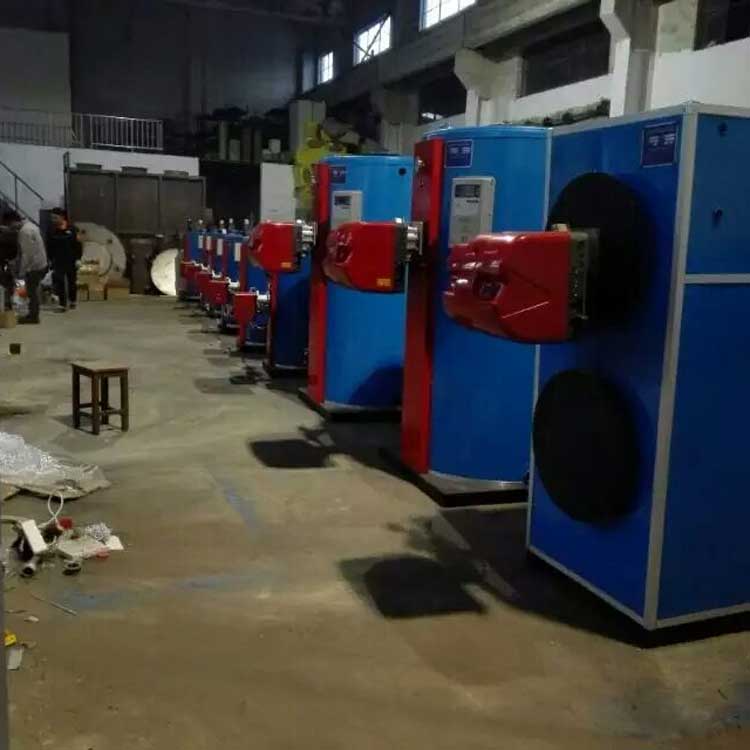
2. Gas boiler burner retrofit
Burner retrofitting is a key component in the low nitrogen conversion of gas boilers, directly affecting the boiler's low nitrogen emissions and operating efficiency. Generally, Fangkuai Boiler selects renowned low nitrogen burner brands from both domestic and international markets, such as: Liru,奥林, and Aobao, based on the actual needs of the customers for the gas boiler low nitrogen conversion.
3. Low nitrogen combustion technology
Low nitrogen retrofitting of gas boilers is crucial, and low nitrogen combustion technology plays a vital role. Current gas boilers mainly achieve low nitrogen emissions through technologies such as full premixing and flue gas recirculation. Full premix combustion technology is primarily designed for gas boilers of 4 tons and below. The fuel and combustion gases are pre-mixed in precise proportions before entering the combustion chamber, resulting in higher fuel combustion efficiency and reduced nitrogen oxide emissions.
The烟气re-circulation technology is primarily designed for large tonnage gas boilers over 4 tons. It can locate the correct opening in the exhaust flue, allowing some flue gas to re-enter the furnace through the pipes for combustion, thereby completing the secondary circulation of flue gas. This process reduces the combustion temperature within the furnace, achieving low emissions of nitrogen oxides.


