
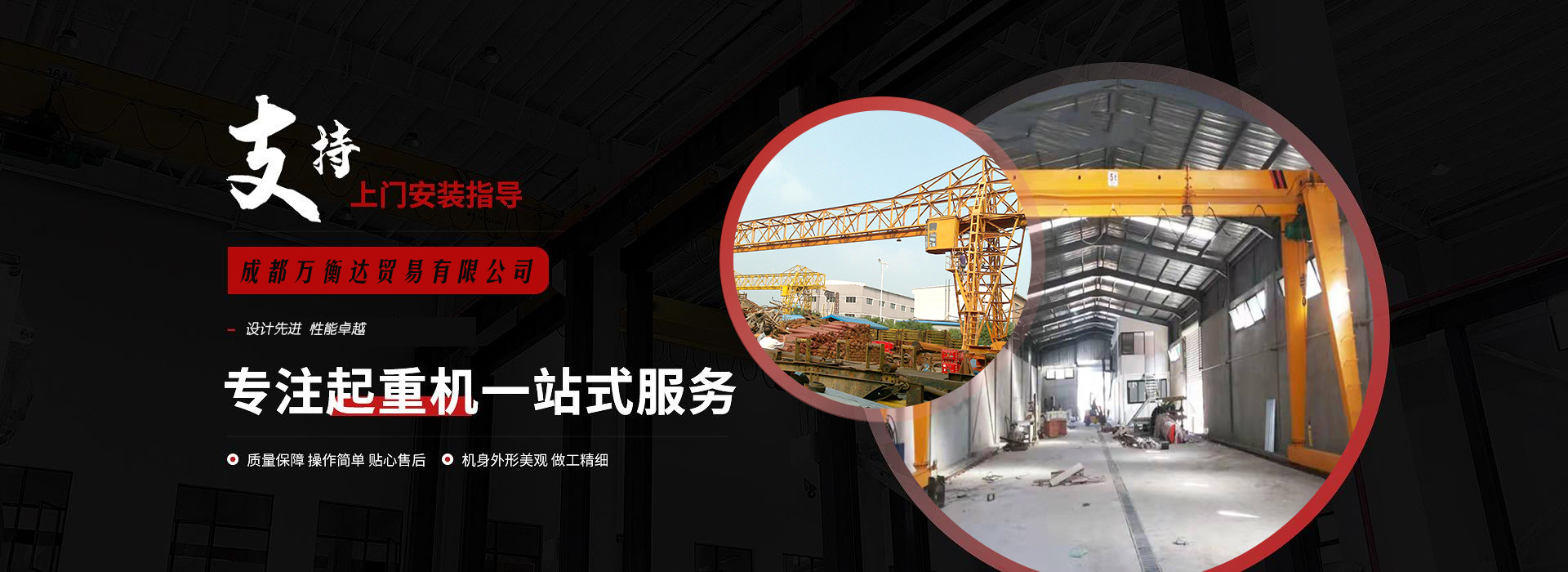

Cranes are large-scale machinery, playing an indispensable role in numerous engineering projects. Due to the significant variability of crane components and the prevalence of outdoor working conditions, damage and corrosion are common issues encountered in crane applications.
1. Materials commonly used in lifting equipment must be suitable for their environment. Manufacturers must first understand the specific application regulations of the facility, particularly for outdoor cranes and semi-cranes. They should ensure that the raw materials chosen are of high quality, free of defects, and have a long service life.
For cranes that must come into contact with water and chemicals, the standard requires that the surfaces of facilities immersed in chemicals should have strong corrosion resistance to prevent mechanical equipment from being corroded or damaged due to long-term exposure to unique chemicals. In such cases, metal materials can also be chosen to reduce the entire maintenance process in the future. Here, we should pay great attention to avoiding galvanic corrosion caused by metal materials with very close potential differences. A good approach is to use insulating materials such as sulfur rubber to block the source of corrosion.
Crane Painting Standards: Key steel frame structure components are blast cleaned for rust removal before painting. After blast cleaning, apply a coat of epoxy resin primer, followed by two coats of epoxy resin corrosion-resistant topcoat. Specifications: Paint surface should be even, smooth, bright, and uniform in color.
News Center Co., Ltd.
