
I. Basic Requirements
Due to the low efficiency and high investment of commonly used river water treatment technologies such as aeration in waterways and biofilm, which are difficult to be widely applied and promoted on a large scale, artificial wetlands have become the preferred technology for treating polluted river water due to their large buffer capacity, simple management, and low infrastructure and operational costs.
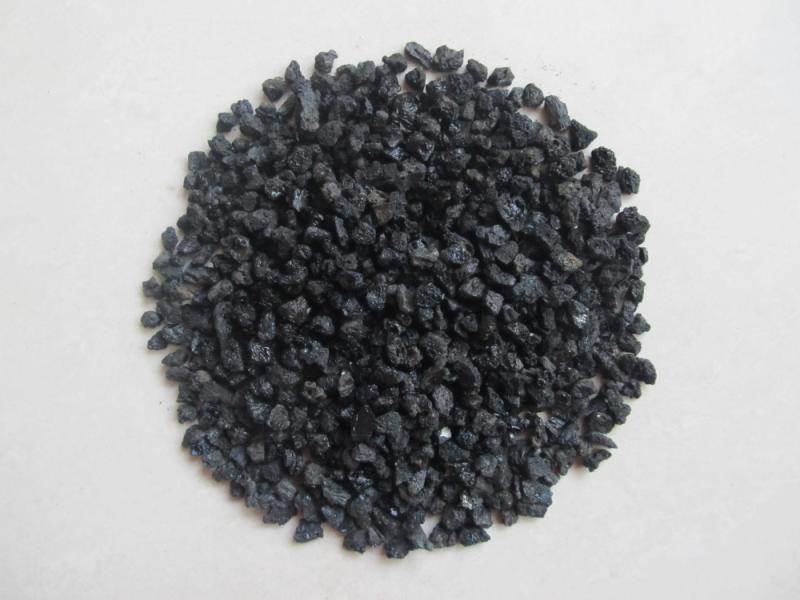
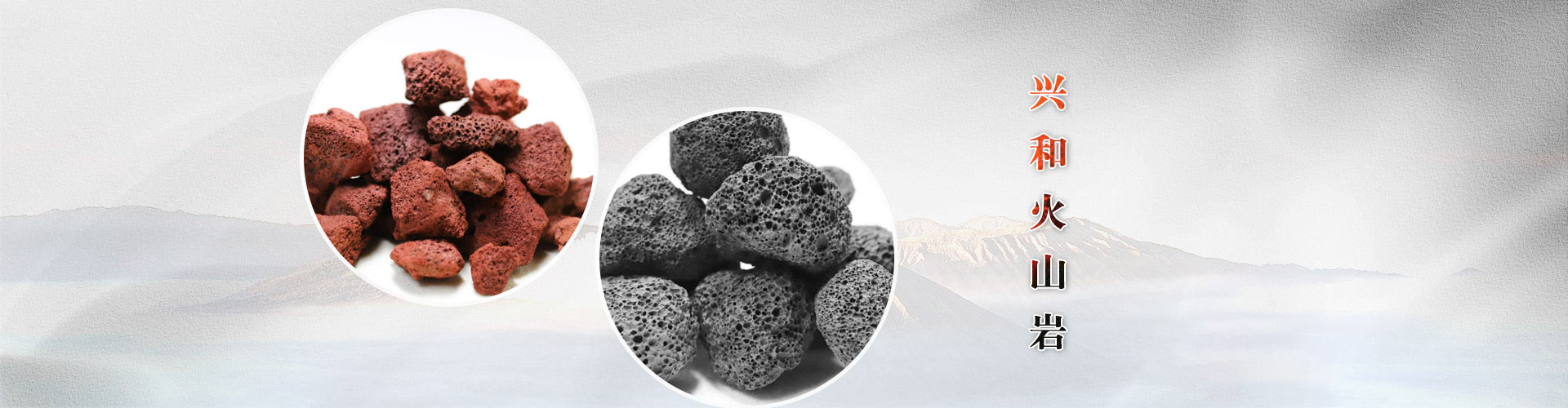
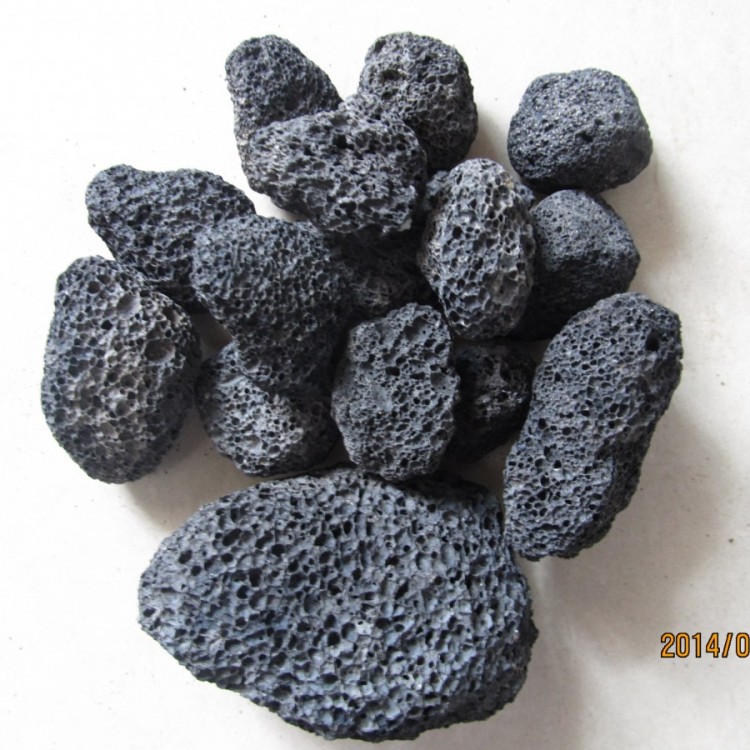
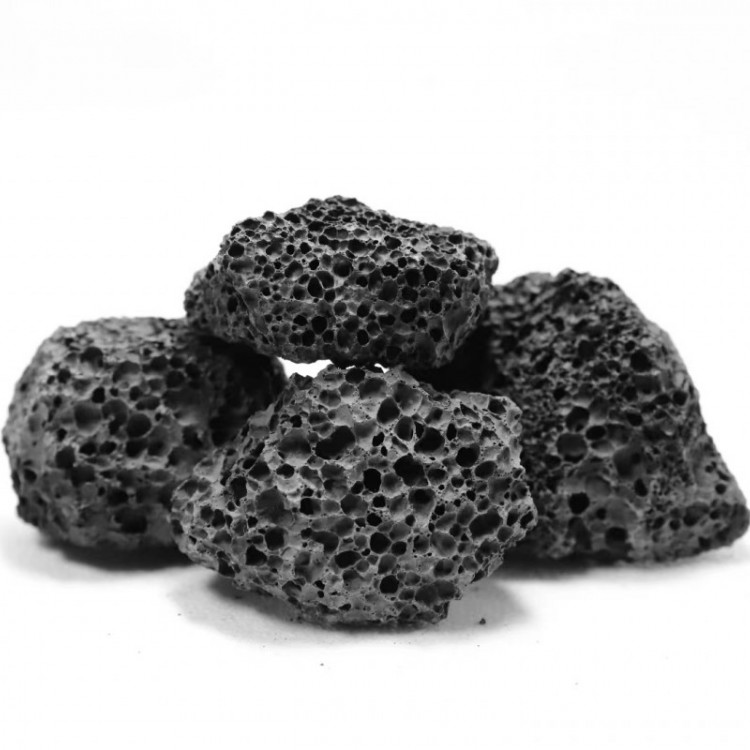
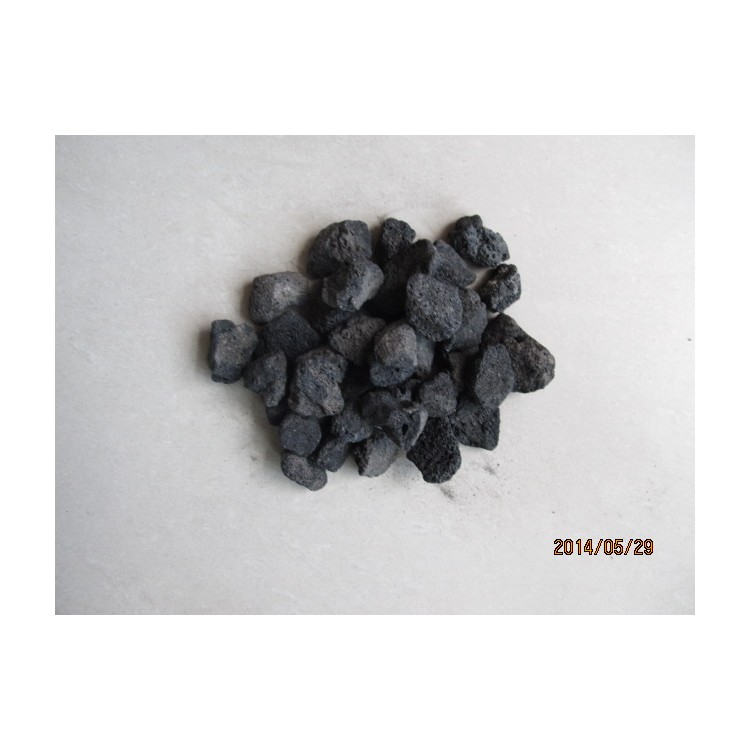
In the artificial wetland wastewater treatment process, the selection of media is a crucial step: on one hand, media provide a substrate and nutrients for the growth of aquatic plants; on the other, they offer a stable surface for microbial growth. Additionally, media can remove pollutants from wastewater through physical and chemical means, such as up to 87% of phosphorus in artificial wetlands, which can be removed through sedimentation or adsorption. Therefore, it is advisable to choose volcanic rock particles with good permeability, a large specific surface area, abundant sources, and low cost as the media for the artificial wetland system.
Section II: Volcanic Rock Filler Function
1. Beneficial for microorganism immobilization and biofilm formation.
2. Excellent retention of nutrients required by microorganisms, facilitating wetland microorganism reproduction and slow release.
3. Resists color fading after water immersion.
4. Possesses mechanical strength.
5. In terms of space volume and shape, the packing material provides as much surface area as possible.
6. In terms of biological stability, the filler should be inert, capable of resisting biological corrosion of the filler, and not participate in biological reactions during the biological treatment process. For chemical stability, the filler should exhibit inertness to the chemical reactions occurring in the environment and possess resistance to chemical corrosion. In terms of thermodynamic stability, the filler should be inert to changes in surrounding temperatures.
7. For the needs of artificial wetland functions, matrices with certain chemical components can be chosen. These matrices can be natural substances, recyclable solid waste, or artificially synthesized materials containing special components, as well as mixed materials with different proportions.
8. Hydrophilicity, hydrophobicity, and surface electrification. Hydrophilic microorganisms tend to adhere and immobilize on hydrophilic media, while hydrophobic media are conducive to the attachment of hydrophobic microorganisms on their surface. The hydrophilicity, hydrophobicity, and electrification of the media surface can be achieved through modification of the media surface or directly during the media processing.
9. Porosity and surface roughness are required.
10. Impact on Biofilm Activity. As a biofilm carrier, it must be harmless and non-inhibitory to the attached microorganisms, and should not significantly affect the biological activity of the attached microorganisms.
11. Reusability. Economically speaking, the matrix should be reusable, particularly when used on a large scale, which holds greater significance.