Process Design Approach
Raw water is processed through a multi-media filter and an activated carbon filter, where it is retained and adsorbed, and treated for color and odor removal; it then passes through a scale inhibitor addition unit to remove calcium and magnesium ions, preventing scaling and blockage of the RO membrane at room temperature; next, it enters a 5-micron precision filter before being fed into the reverse osmosis system, where desalination occurs, followed by transfer to an intermediate pure water tank.EDIThe exchange system undergoes further desalination purification.,The finished PE water tanks are entered next, with the water flowing to each water point.
2System Composition
The system consists of the "Pre-treatment System," "Reverse Osmosis System," "EDI Continuous Electrical Deionization System," and "Storage System."
Pre-treatment System: multi-media filter, activated carbon filter, and scale inhibitor addition unit.
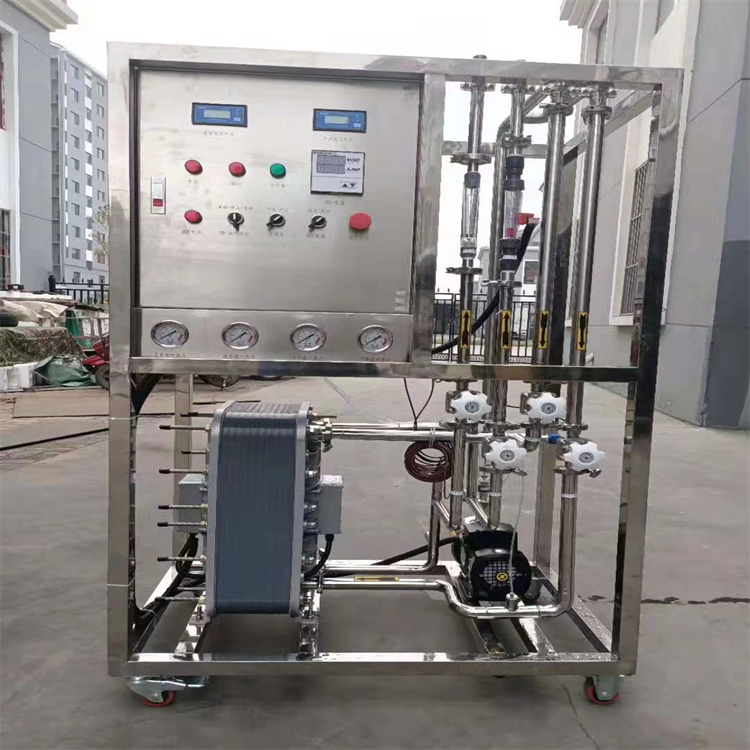
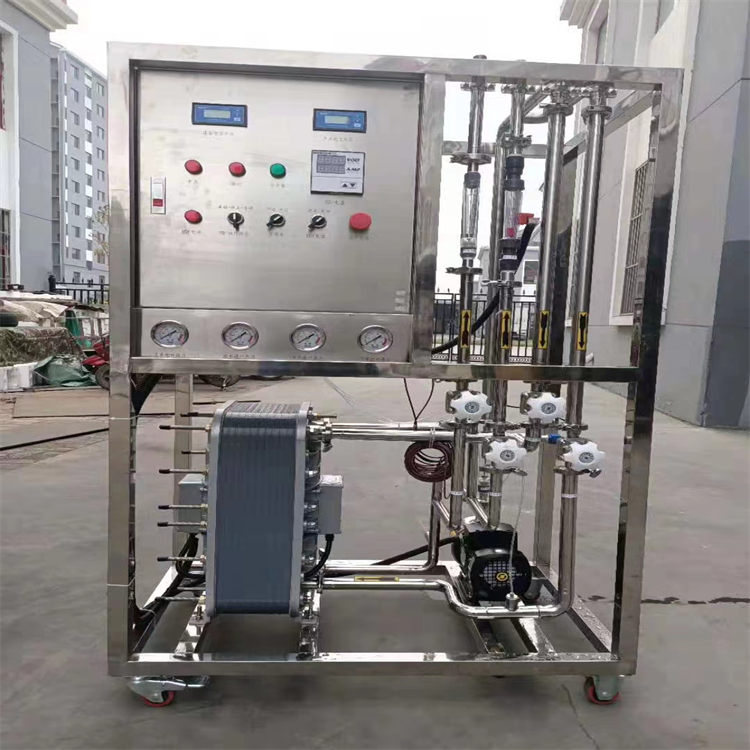
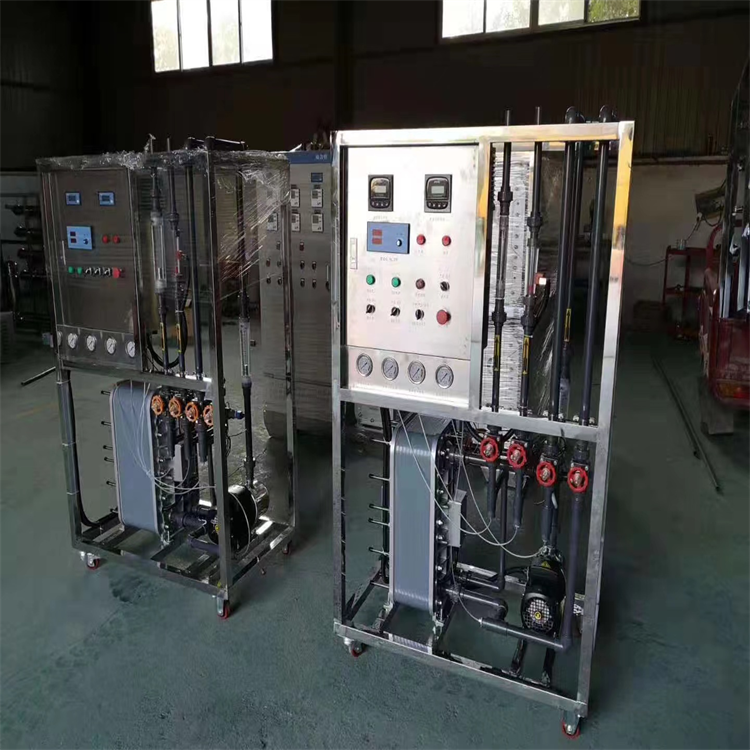
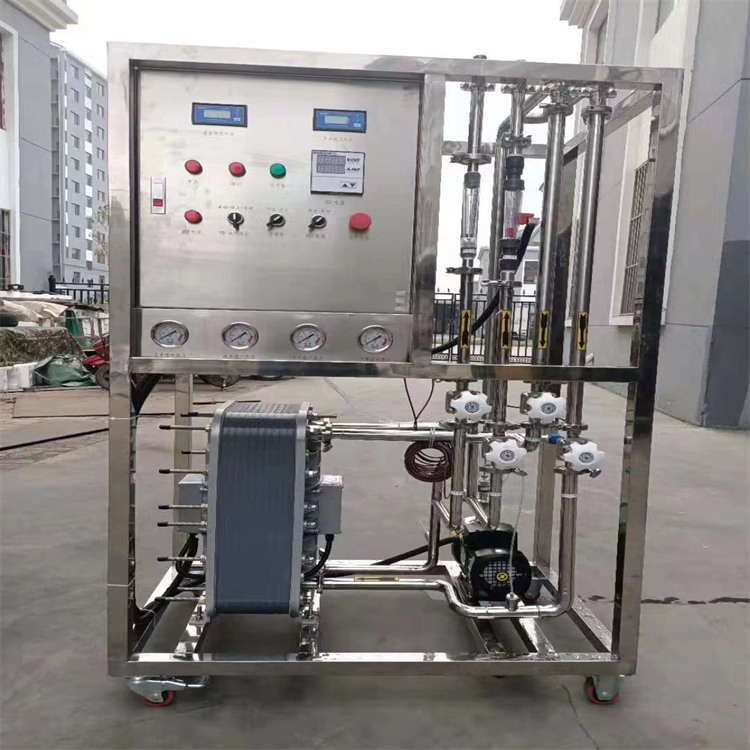
Reverse Osmosis System: Precision Filters, High-Pressure Pumps, Reverse Osmosis Units, Electrical Controls
EDI System: Pressure Pumps, Precision Filters, EDI Continuous Demineralization Modules, DC Power Supply
Storage System: Intermediate Tank; Reverse Osmosis Tank, Finished Product
Technical Performance Description
The complete set of equipment features linkage automatic control with a high degree of automation, enabling online detection of full water, low water, low pressure, and water quality, as well as warnings for fault locations.
One of the key systems in a pure water system is the pretreatment system, whose design significantly impacts and determines the lifespan of the RO system. The primary function of the pretreatment system in this system is to remove suspended solids, solid particles, colloids, and reduce water hardness, meeting the requirements for the reverse osmosis system's feed water, ensuring long-term operation of the RO system.