
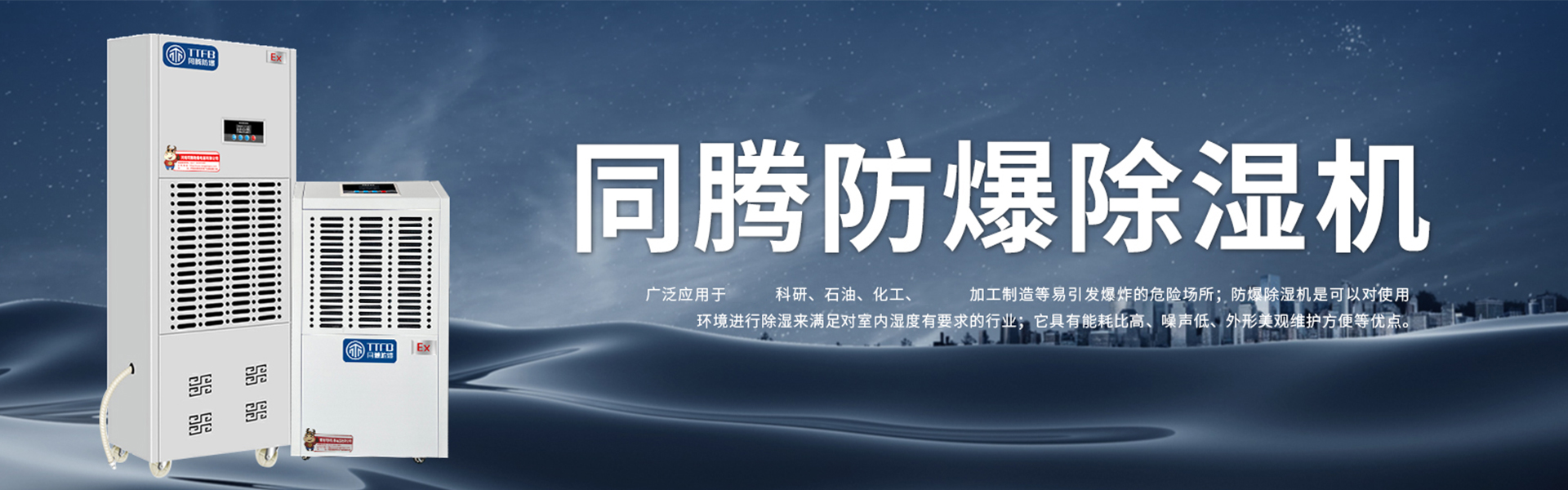


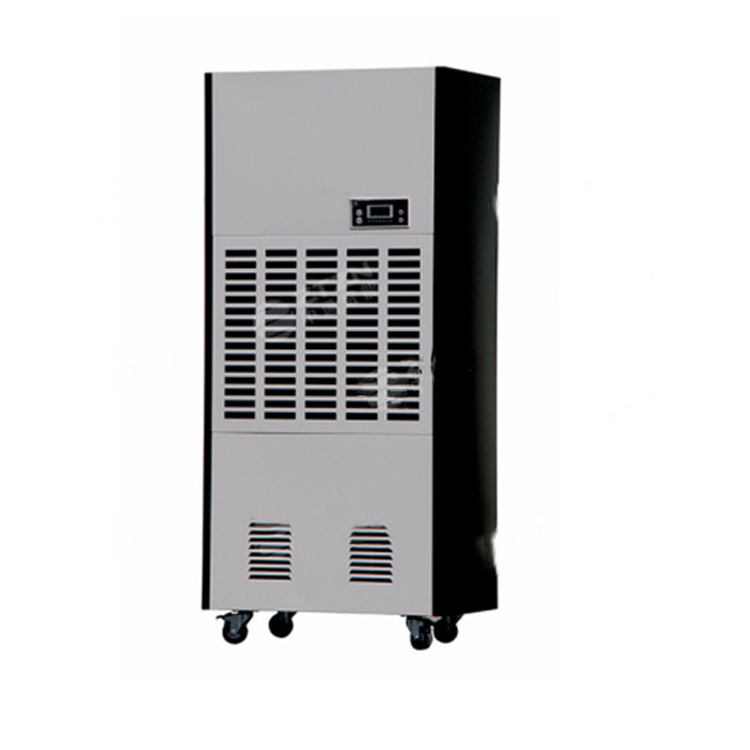
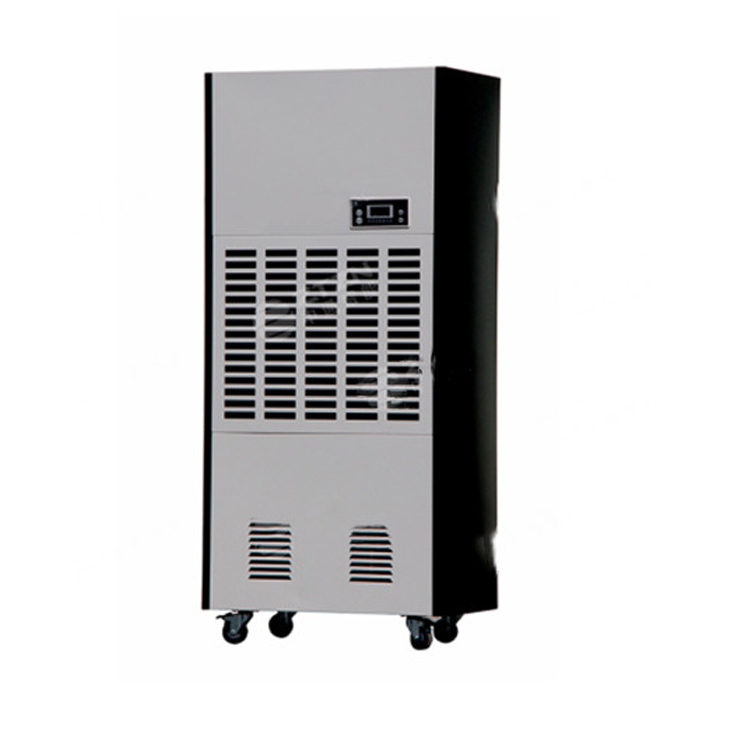
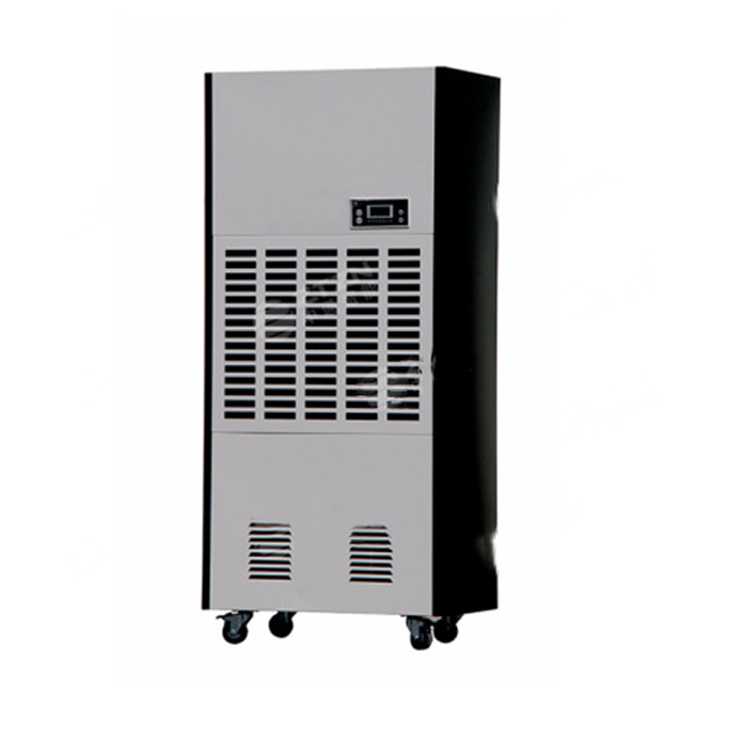
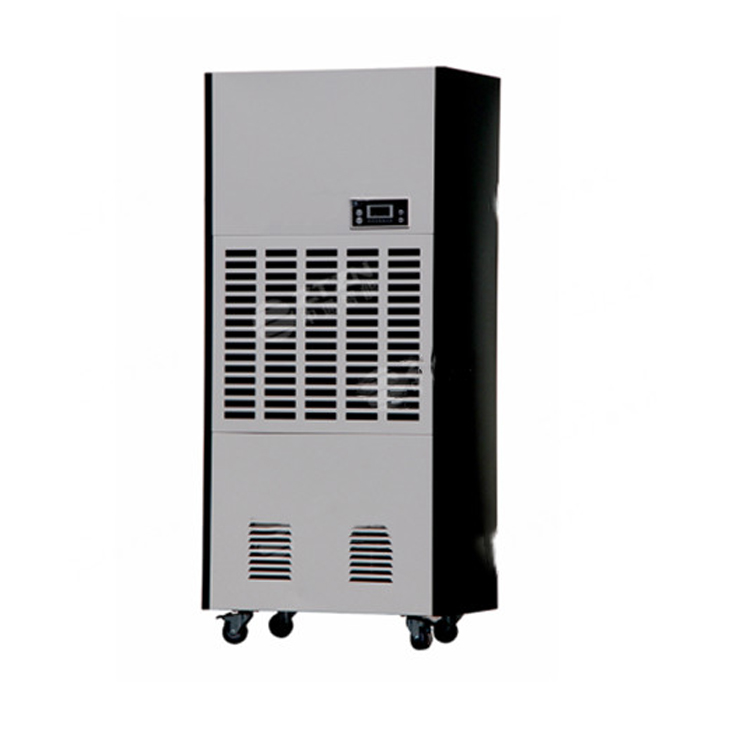
As is well known, the conventional explosion-proof dehumidifiers we commonly use are refrigerant-based explosion-proof dehumidifiers, which have a maximum operating temperature. Normally, this is between 32-35°C. Above this temperature, conventional explosion-proof dehumidifiers cannot operate properly. However, in some work environments, such as drying rooms for wood, food, tobacco, and herbs, where the temperature exceeds this limit, conventional explosion-proof dehumidifiers are not suitable for use.
The temperature suitability of the explosion-proof dehumidifier with a rotating wheel can meet these temperature environments, but due to the high cost of the rotating wheel explosion-proof dehumidifier, it is too expensive for enterprises. Based on this situation, the research and development engineering team of ZhuYou combined actual operating conditions and dehumidification technology experience, after repeated design, on-site testing, and feedback optimization, finally developed the ZhuYou high-temperature environment explosion-proof dehumidifier.
This machine is fully suitable for high-temperature production conditions, based on multiple usage feedback.
Dehumidification Principle
The dehumidification principle of the high-temperature explosion-proof desiccant dehumidifier involves using unsaturated wet air to pass over dried materials, absorbing moisture from them. To enhance the moisture absorption capacity of the wet air, it is generally heated first before passing through the heater, where the external heat raises the temperature of the wet air under constant pressure. However, this does not increase the moisture vapor content of the air nor cause condensation, thus reducing the relative humidity and improving the absorption capacity. It is evident that the heating process within the heater is a constant humidity process of increasing temperature and enthalpy. When the heated wet air enters the dryer to dry the material, it primarily releases heat (reducing the enthalpy of the wet air) to vaporize moisture from the wet material into the air, increasing the enthalpy of the water vapor in the air. Consequently, the drying process can be approximated as a constant enthalpy process where the air temperature gradually decreases and humidity increases.
Energy-saving and rapid drying oven with waste heat recycling, including program intelligent controller, high-temperature insulation box assembly, low-temperature insulation box assembly, air-source heat pump assembly, blowing device, temperature and humidity sensor. The feature lies in the high-temperature insulation box assembly's exhaust pipe being connected to the low-temperature insulation box assembly's intake pipe. This high-temperature explosion-proof dehumidifier utilizes waste heat from the existing drying room (box) that is not needed in the air as a heat source. It absorbs heat from the hot air using heat-absorbing coils, making the air increasingly dry. The air with excess heat and dryness is reheated by the heat dissipation coils, increasing the temperature until it reaches the set temperature. At this point, the bypass solenoid valve reroutes the refrigerant through the bypass pipe, and the multi-source heat pump assembly absorbs the heat from the hot air. Due to the insulation layer in the insulation box, heat loss is slow, allowing the majority of the heat to remain within the insulation box for drying items, thus achieving energy-saving.
Product Features
High-temperature system optimized design with strong environmental adaptability and stable performance; actual energy consumption reduced by 15% under the same working conditions. Temperature range: 32-50℃. Configuration: Copeland compressor, Castle solenoid valve, Emerson expansion valve.
