



详情描述
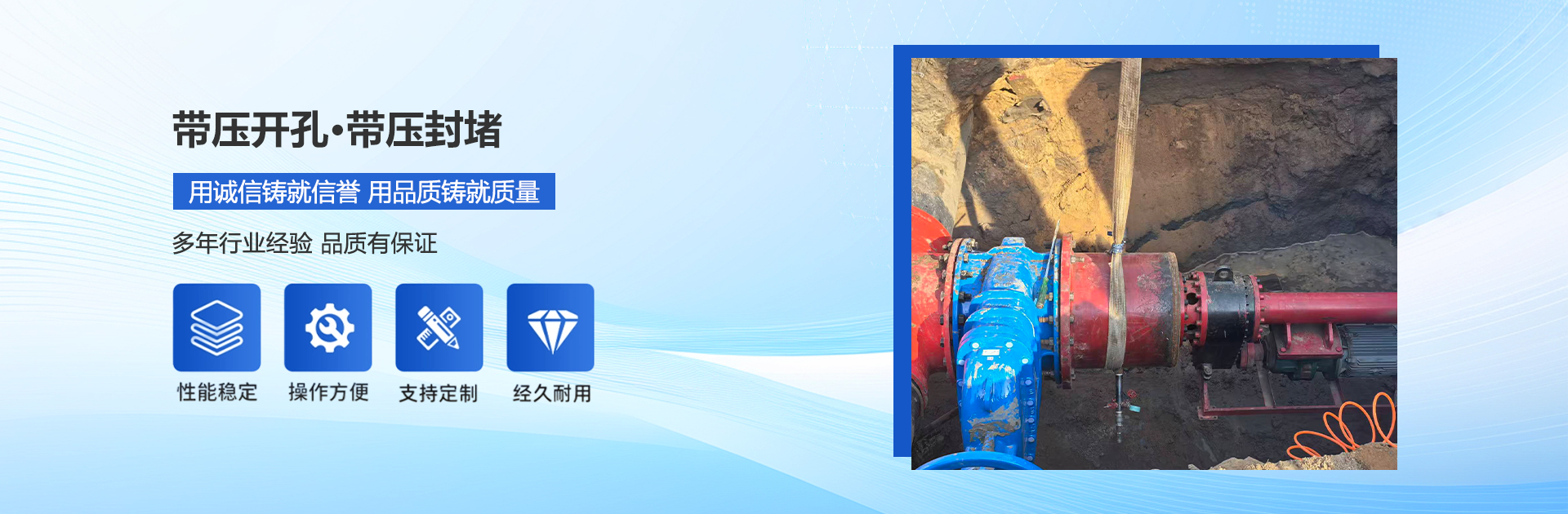
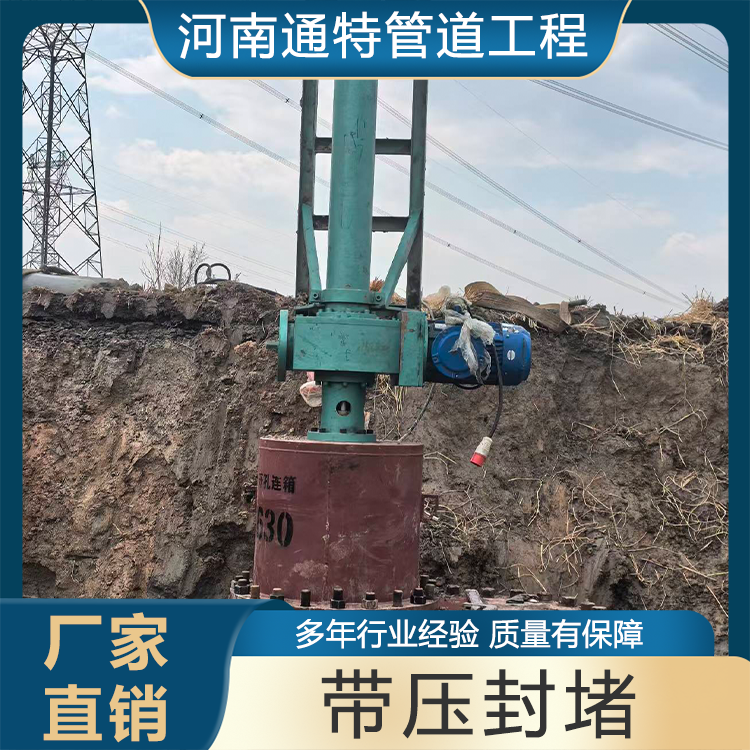
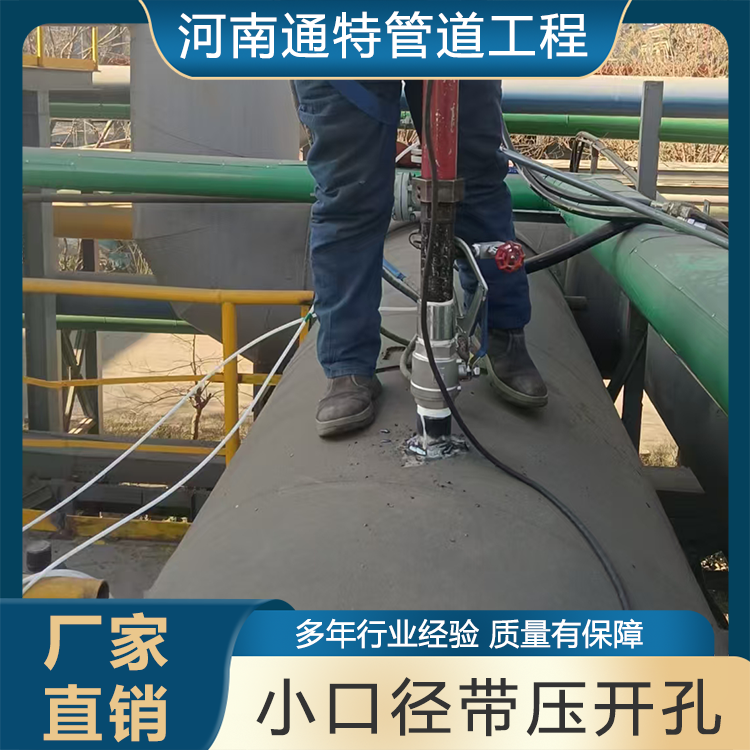
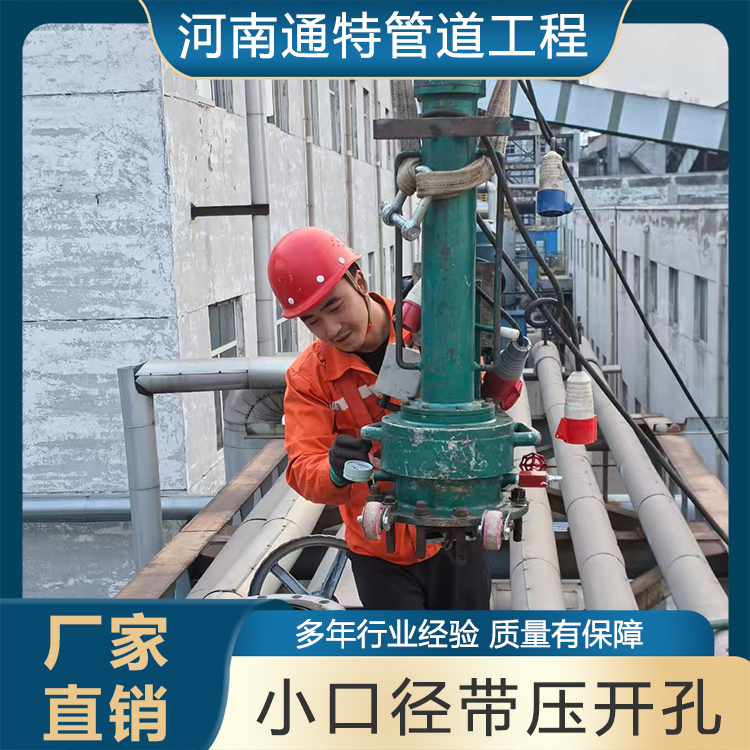
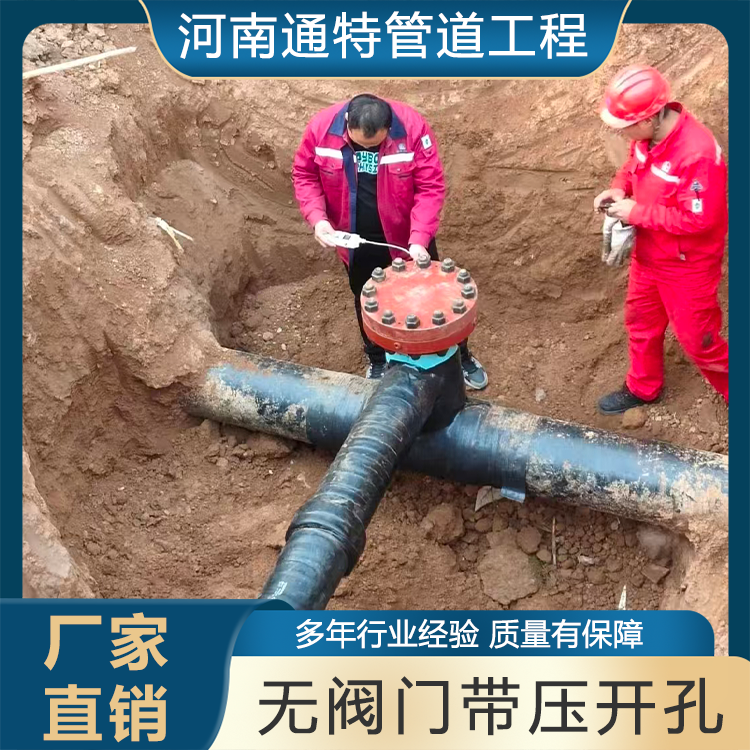
Pressure-sealing while in operation, pressure-sealing without shutdown involves sealing the original pipeline under pressure and using bypass lines to facilitate the installation and replacement of pipeline components without interrupting the flow. The process is as follows: welding a tee fitting for each location requiring pipeline sealing, then making holes in the pipeline with a hole-making machine, connecting sealers and other sealing devices to the pipeline and initiating the sealing operation - connecting the bypass pipeline to the original pipeline, unsealing the pipeline after connection and backfilling the pipeline sections - applying anti-corrosion treatment to the tee fittings and using double-sealing conduits to temporarily reroute the operating medium through the bypass line. After replacing the severely corroded original pipeline with new anti-corrosion pipeline, the operating medium is rerouted back to the new pipeline. The pressure-sealing without shutdown technique allows the entire construction process to be carried out under conditions where the pipeline remains in operation.
The non-stop pressure-sealing technology for pipeline shutdown not only allows for the relocation, replacement, and installation of pipeline components, as well as the addition of branch pipelines, under conditions where the pipeline medium is continuously transported. It also enables safe and rapid emergency repairs in the event of pipeline leaks, ensuring the timely resumption of normal pipeline operations. This technology boasts features such as no cooling, no pressure drop, and no production halt, ensuring the smooth operation of process industry transportation. Consequently, it offers significant comprehensive benefits and practical value. While the construction process of this non-stop pressure-sealing technology can be complex for longer pipelines, proper planning, adherence to procedures, and strict control can ensure the safety and efficiency in meeting the timeliness and economic requirements of pipeline modification, and also to a great extent, mitigate risks.


