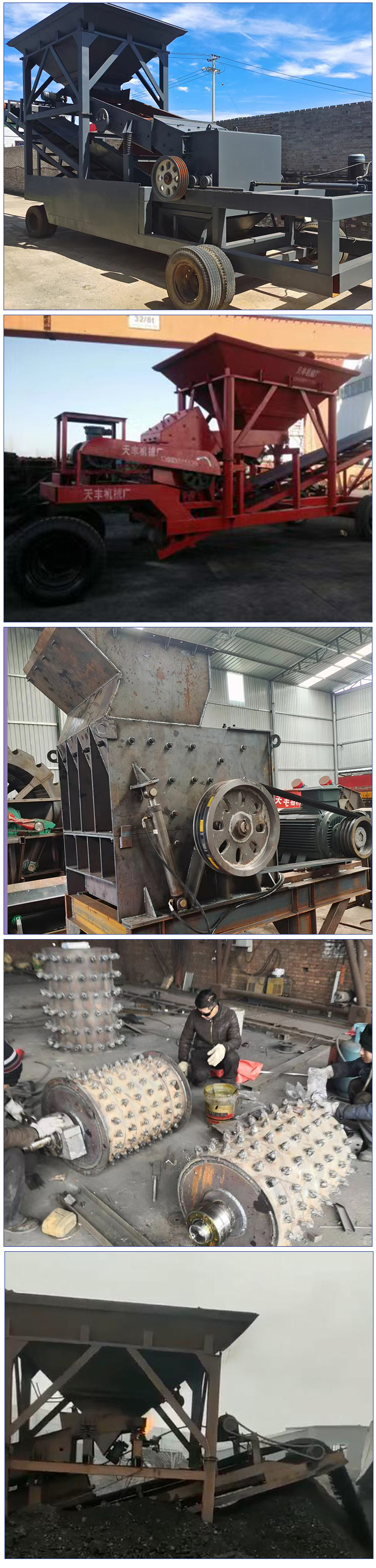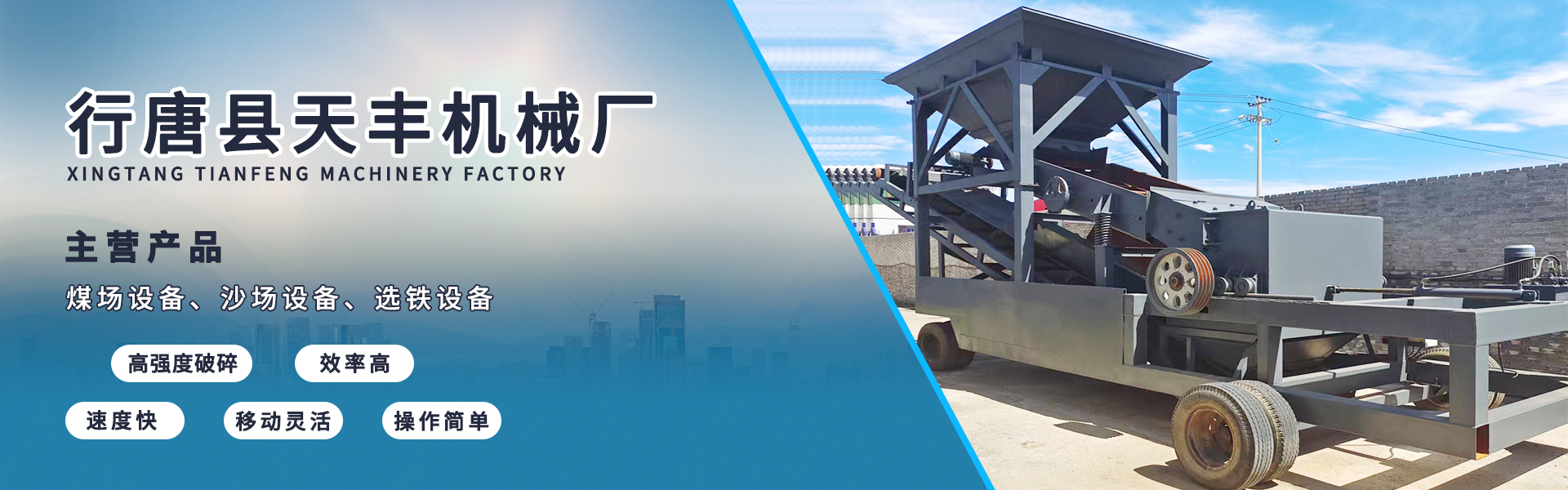

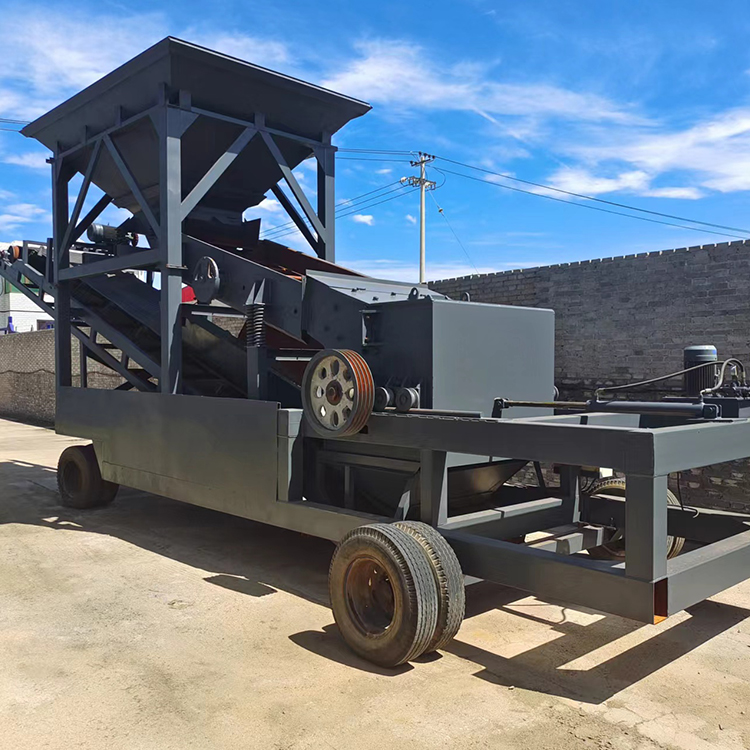
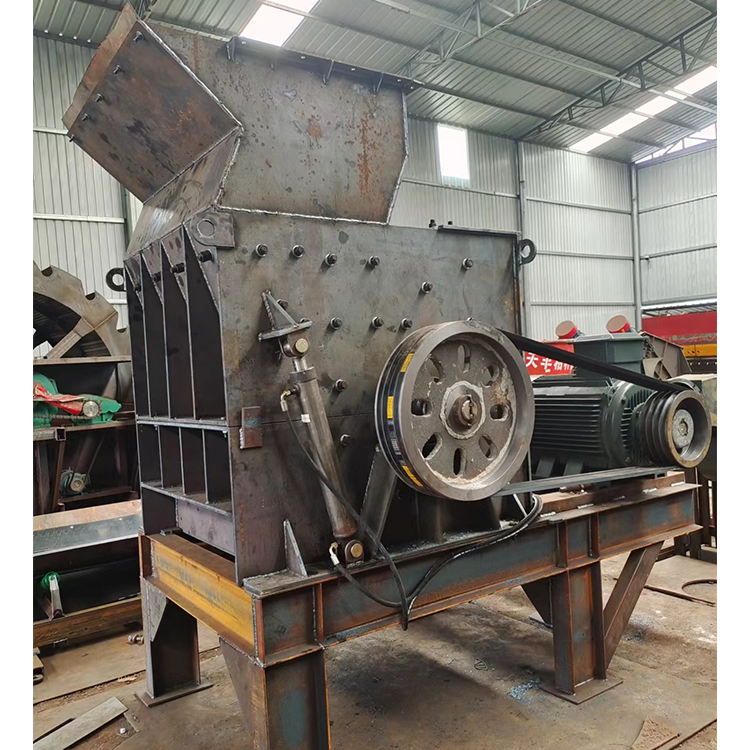
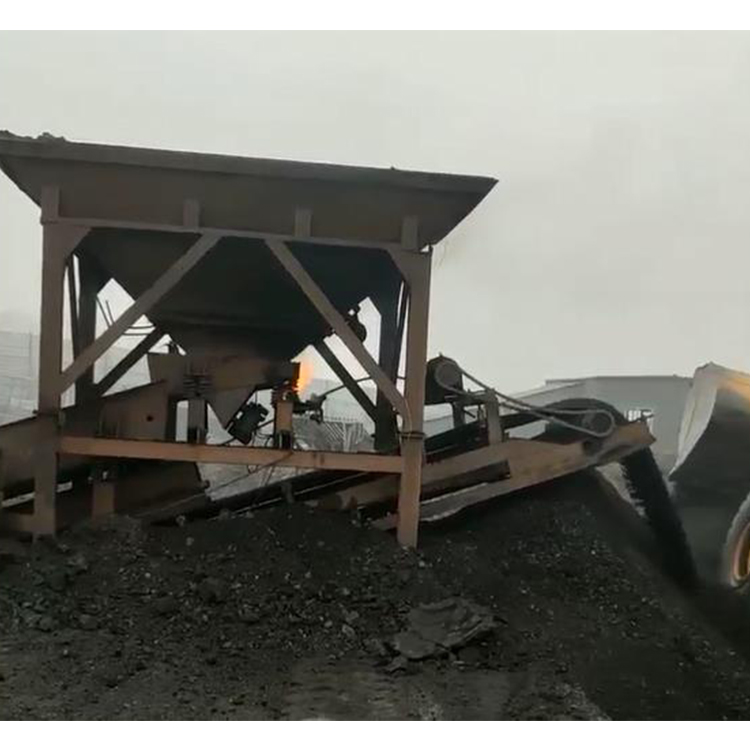
Coal crushing machine, also known as a two-stage crusher, is a high-yield fine crushing equipment specifically designed for the coal industry. It can process coal, slag, and various construction waste materials, as well as solid waste tailings, for recycling and reuse. It not only achieves material recycling but also fulfills environmental protection functions.
Operating Principle of Coal Crushing Machine
During operation, after coal enters the crusher, it first passes through the first-stage rotor for destruction, then into the second-stage rotor for further destruction. Since the destruction cavity is closed, the material inside collides and impacts with each other until the material broken by the upper rotor is finely crushed again by the rapidly rotating hammerhead of the lower rotor. The material inside the cavity collides rapidly with each other, causing mutual destruction, and eventually reaches the hammer powder. The material powder is then directly discharged to achieve the desired product.
The application of the equipment
1. Generally used for crushing coal gangue into coal, or for crushing coal for domestic use. Of course, in terms of the range of materials it destroys, it's quite extensive.
2. Coal crushers are mainly used in brick and tile factories for crushing coal slag, slag, shale, coal gangue, and over 100 other materials.
Function and Advantages of Coal Crushing Machine
1. Coal crushers without screens or grates are designed to crush high-moisture materials without any water content requirements.
2. The equipment features a deep cavity double-curved shape, with a negative support, zero suspension, and small eccentricity distance for high swing frequency, which is perfectly matched with the deep cavity design. This configuration endows it with exceptional functions of high processing capacity, low wear, and low energy consumption.
3. Coal crushers are equipped with a centralized lubrication system, allowing oiling without interruption. Additionally, the hydraulic engine housing is designed for easy access by one person, making maintenance and part inspection quick and convenient.
4. After the hammer head wears out, there's no need to replace it. Simply adjust the position of the existing hammer head, ensuring the gap between the hammer head and the liner, and the discharge particle size will remain uniform and fine.