

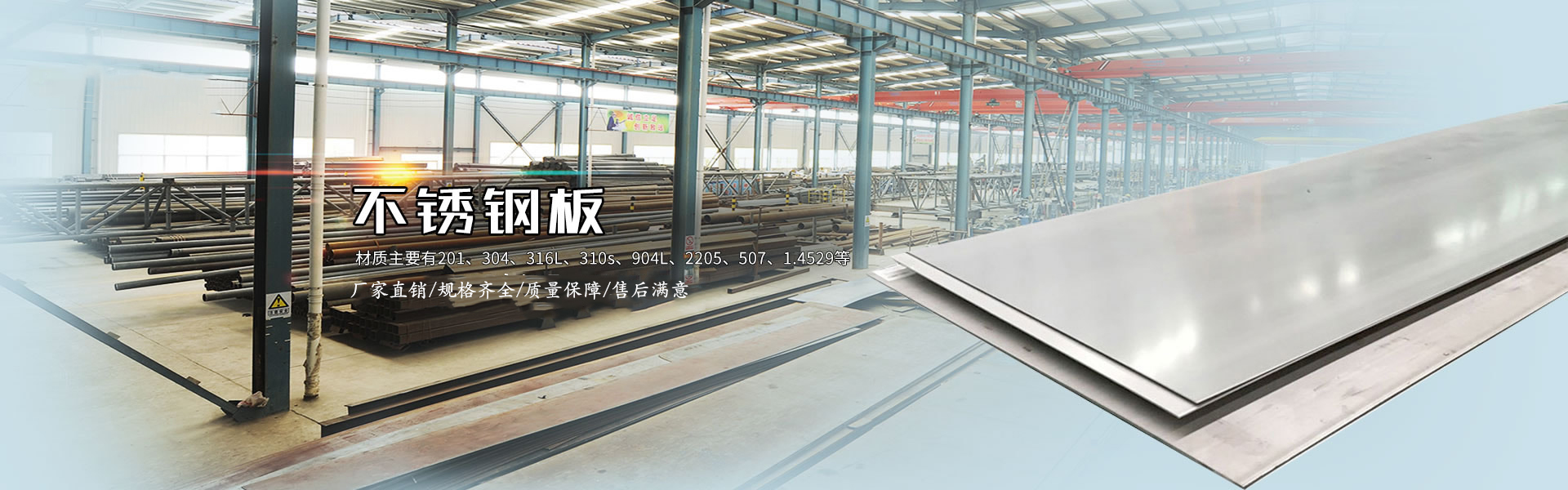

304 stainless steel sheets consist primarily of elements like nickel, molybdenum, titanium, niobium, copper, and nitrogen, to meet the requirements for the structure and properties of stainless steel for various applications. Stainless steel is susceptible to corrosion by chloride ions, as chromium, nickel, and chlorine are isotopes; isotopes can undergo exchange and assimilation, leading to corrosion in stainless steel.
304 stainless steel plate is a type of metal material known as stainless steel, which is resistant to corrosion by weak corrosive media such as air, steam, and water, as well as by chemical agents like acids, alkalis, and salts. It is also referred to as acid-resistant steel. In practical applications, steel that resists corrosion by weak corrosive media is commonly called stainless steel, while steel that resists chemical corrosion is called acid-resistant steel.
Due to the difference in chemical composition, the former may not be resistant to chemical medium corrosion, while the latter generally possesses corrosion resistance. The corrosion resistance of 304 stainless steel plates depends on the alloy elements contained in the steel.
News Center Co., Ltd.
