



 通过中商114认证

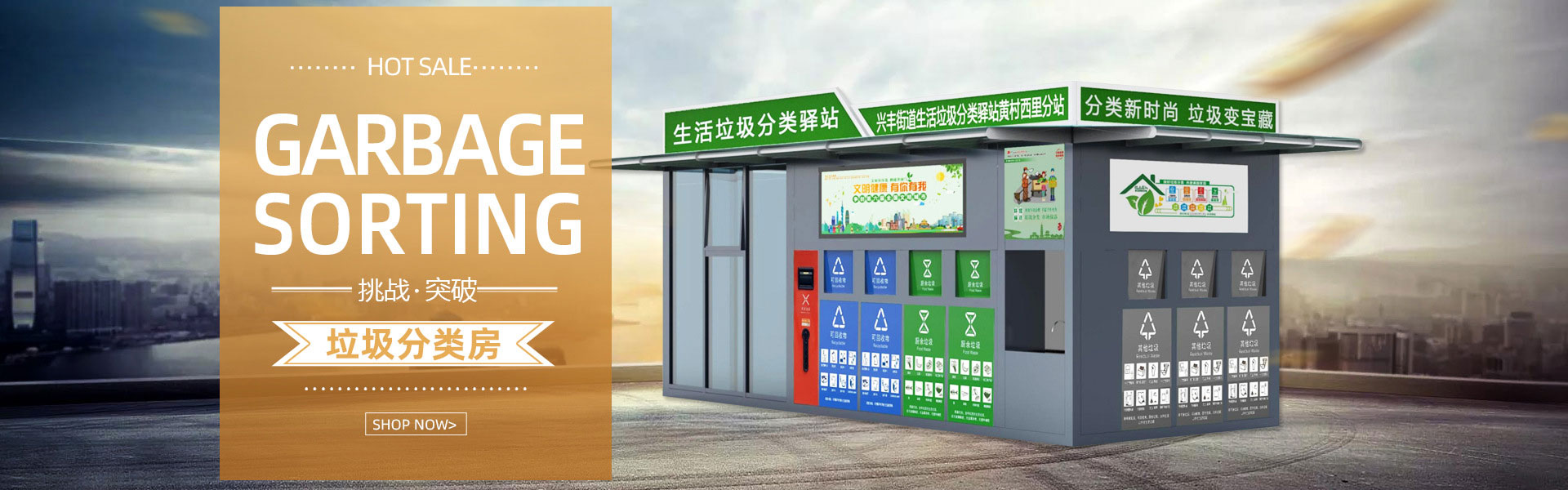
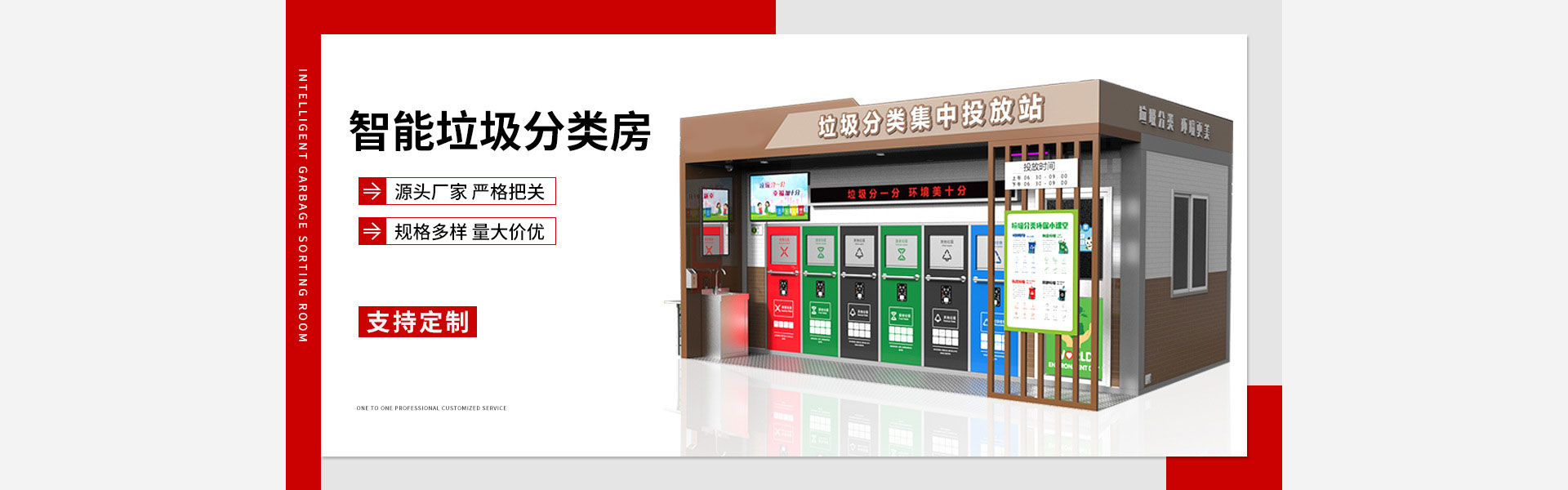
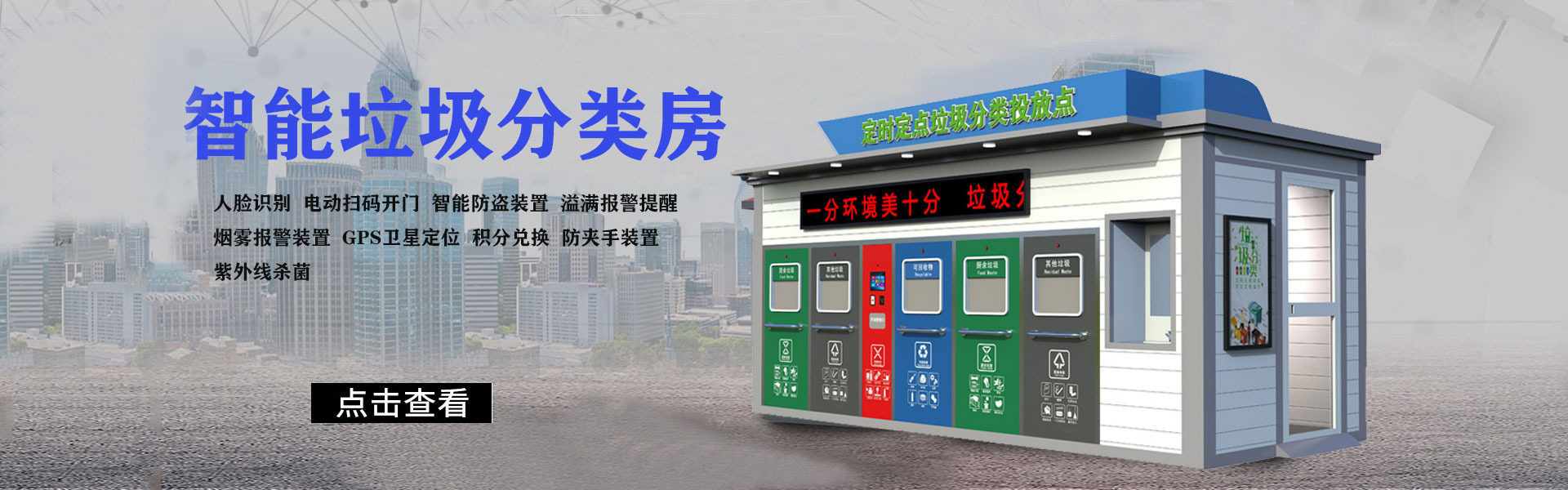
With an increasing number of smart city projects popping up, from intelligent streetlights to smart billboard covers, the industry is constantly growing. I will also introduce a key smart city equipment—the intelligent garbage room.
Sanitation work is undoubtedly a crucial and fundamental task in urban environments, and it is quite demanding. Now, as we are in the era of intelligentization and the implementation of artificial intelligence technology, the sanitation sector naturally attracts a multitude of talents and capital. Consequently, smart waste rooms have emerged accordingly.
The original垃圾分类 facility holds a naming priority due to its consideration of the resource recovery link. This priority will guide the entire market's manufacturers towards this direction. A small, intelligent waste facility may be unseen, but it poses a significant challenge for existing waste management equipment manufacturers, representing a threshold that the vast majority find difficult to surpass.
It boasts at least four optical sensing technologies, coupled with information transmission. Many of these technologies are entirely unfamiliar to the industry, not for use, and require connection and debugging. Nonetheless, news about waste sorting has spread worldwide. The intelligent upgrade is seen as a potentially massive industry, not a matter of exploration but an urgent one, with many companies rushing to join. After rigorous work and arduous effort, we found that each set costs over 10,000 yuan, and the subsequent operation is a new model, leaving many manufacturers in a state of confusion.
In fact, this is very evident in WinCreate's recovery. Their recycling machinery features industry-exclusive sorting technology, and after resource recycling, they have processing factories, creating a complete chain. However, upon examining the locations of equipment deployment and recycling, after cross-verification by multiple parties, it is not a scientifically selected or selective placement, nor is it a widespread, blooming-style deployment. This indicates that the market has deviated from the predictions of many manufacturers previously.
Undeniably, the potential for urban sanitation smart waste rooms to undergo intelligent upgrades is limitless, which is distinctly different from waste sorting rooms with recycling features. Market-leading smart waste rooms for urban sanitation have emerged, as they need to proliferate at a low cost. Moreover, they can be modified on the basis of existing smart waste rooms, making them more suitable for current operations. The simpler, the better—it can reduce the actual work intensity for sanitation workers.
The streamlined configuration retains essential features such as overflow alarms, temperature monitoring, battery-powered operation, and integrated wireless data transmission, all of which meet daily needs. Moreover, the installation requirements are minimal, allowing for direct installation on existing intelligent waste collection facilities, with operations remaining unchanged.
It is clear that the cost is crucial for the establishment of the Internet of Things. It is not only about intelligent devices but also about costs that are acceptable to everyone and can be upgraded and promoted on existing equipment.
In fact, government statistics show that waste classification is crucial, including in first- and second-tier cities, streets, and towns. In terms of costs, a complete overhaul of smart waste rooms is clearly unrealistic. Simplified integrated devices for intelligence will be more practical for actual applications.
