
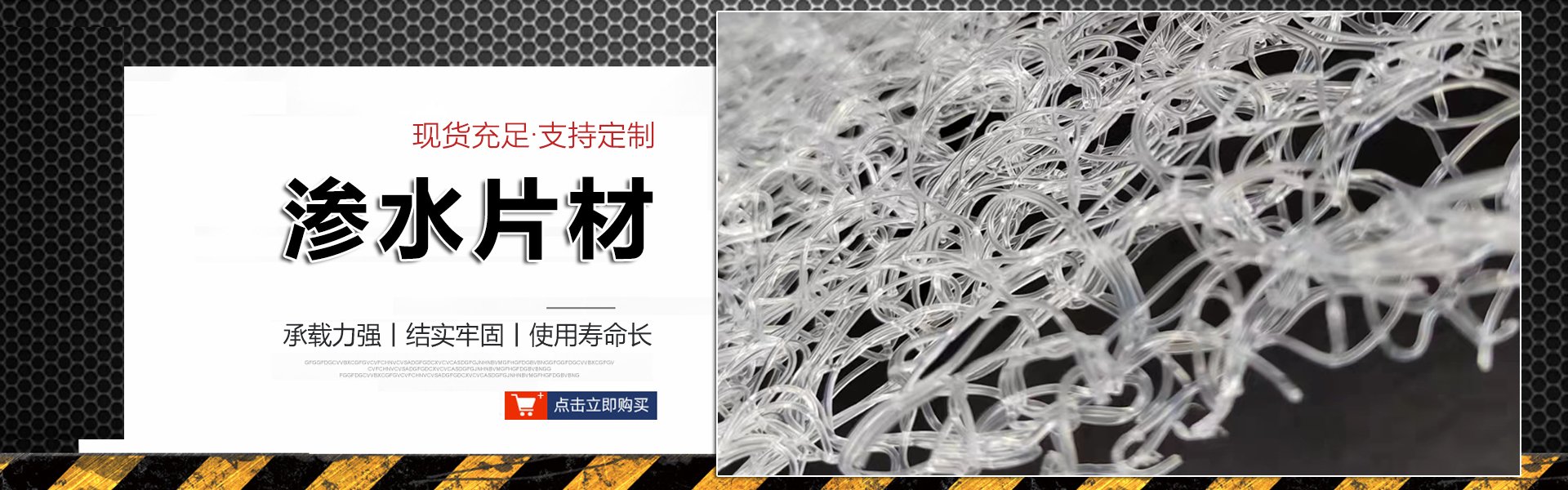

We understand that the primary function of drainage boards is to facilitate drainage, particularly on construction sites where the terrain is not flat and open, but rather features many elevated structures such as walls and ventilation shafts. Next, we'll discuss how to handle the drainage boards when laying them out in these areas, and on this matter, the drainage board manufacturer will provide an explanation for our staff below.
Firstly, it's important to recognize that drainage boards are auxiliary for waterproofing; their primary function is to drain water. Therefore, we cannot rely on drainage boards for waterproofing. So, when dealing with these details, we strive to enhance their water resistance. During the installation of drainage boards, when encountering a ventilation well opening, the boards can be cut along the bottom curve. The wall around the well opening can be lined with appropriately sized drainage boards for containment. When encountering a wall, the drainage board of the corresponding size can be cut, leaving a portion of the edge at the bottom, pressing it under the tile drainage board, and securing it to the wall with nails. However, it should be noted that the height of the nails must be above the backfill soil level to prevent damage to the waterproofing layer and leakage.
Actually, the installation of drainage boards is quite simple; it's all about handling the details effectively. The above content is to introduce to drainage board manufacturers the handling issues during the laying process, hoping it is helpful to all. For more information, please visit our website.
