



 通过中商114认证
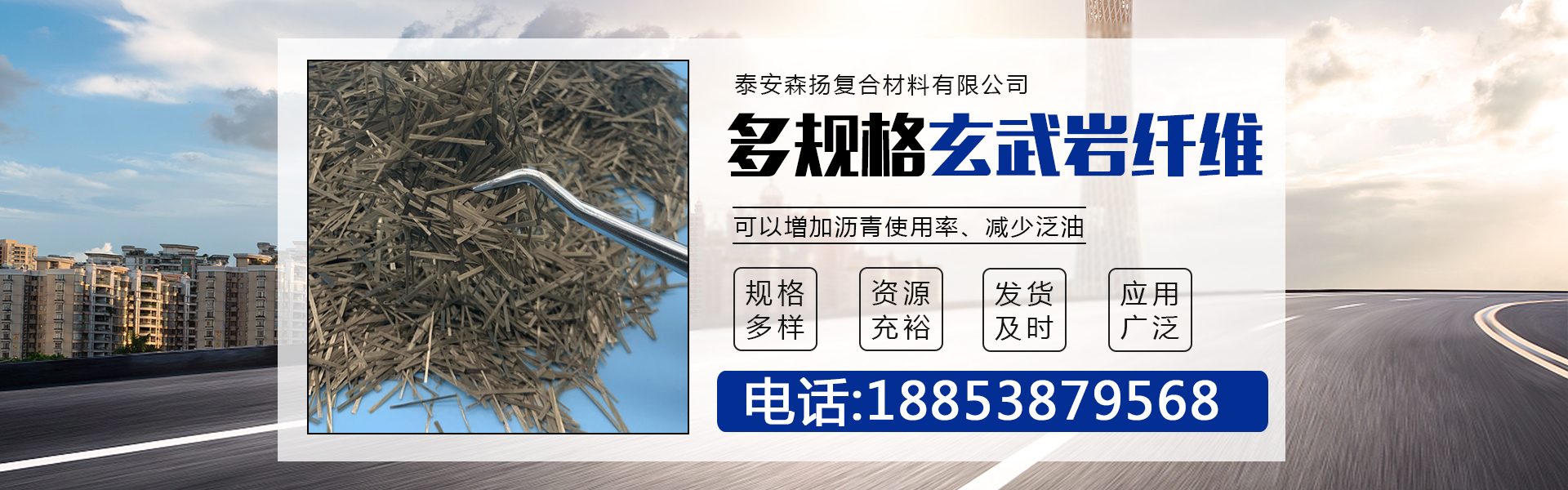
Basalt fiber surfaces are relatively smooth with low surface energy. After surface modification, nano-SiO2 particles are added to the surface, effectively increasing the roughness of the fiber and enhancing the effective contact area between microorganisms and the carrier. The presence of cations on the modified surface raises the surface potential of the carrier, making it positively charged. This facilitates the fixation of microorganisms by utilizing electrostatic attraction, which is beneficial for the immobilization of microorganisms. The active functional groups on the modified surface increase the surface energy of the carrier, containing hydroxyl, carbonyl, or carboxyl groups, which have a positive effect on the adhesion and growth of microorganisms on the carrier surface. Through the surface modification of basalt fiber carriers, they achieve good hydrophilicity and microbial loading performance, allowing them to carry more biomass and maintain a high level of microbial activity for an extended period. This enables more effective degradation of pollutants in water bodies through the biofilm method.
Basalt fiber, when compared to high-tech fibers such as carbon fiber, aramid, and ultra-high molecular weight polyethylene (UHMWPE), boasts not only the characteristics of high strength and high modulus typical of high-tech fibers, but also excellent heat resistance, anti-oxidation, radiation resistance, excellent thermal insulation and soundproofing properties, good filtration, high compressive and shear strength, and adaptability to various environments. It is also cost-effective, a pure natural inorganic non-metallic material, and a new basic material and high-tech fiber that can meet the development needs of the basic industries of the national economy.
Basalt fiber and its composite materials can effectively meet the needs of structural materials in various fields such as national defense construction, transportation, construction, petrochemicals, environmental protection, electronics, aviation, and aerospace. They play a significant role in promoting national defense construction, major projects, and industrial structure upgrading. They are not only green materials that meet the ecological environment requirements of the 21st century but also a competitive new material industry with sustainable development in the global high-tech fiber industry. Especially, China has independently developed the manufacturing technology and processes for basalt fiber, achieving an internationally advanced level with the advantage of "catching up from behind." Therefore, vigorously developing the industry of basalt fiber and its composite materials is of great significance.
