



 通过中商114认证
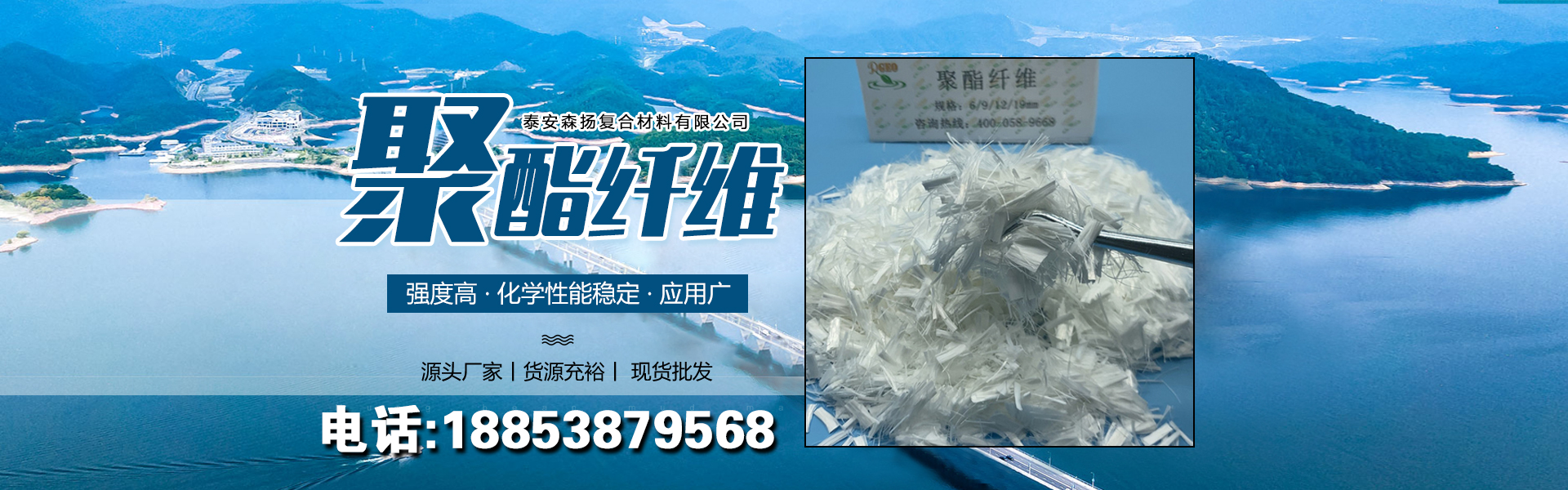
Enhanced high-temperature stability and viscosity due to the three-dimensional distribution of polyester fiber filaments, which exhibit strong adsorption to asphalt without tangling. This allows for the absorption of excessive free asphalt, thereby increasing the asphalt's viscosity and cohesion. Additionally, the cross-woven reinforcing and bridging effects reduce the asphalt's flow properties, limiting the lateral displacement or flow of aggregates. This effectively improves high-temperature stability, significantly enhancing the stability of fiber asphalt concrete.
2. Enhanced low-temperature cracking resistance and the adsorption of fibers to asphalt result in an increased asphalt content in asphalt concrete. A higher asphalt content ensures that the fiber asphalt mixture maintains flexibility and high tensile strength at -40℃ temperatures, effectively resisting shrinkage stresses. This improves the mixture's low-temperature cracking resistance, reduces the occurrence of temperature shrinkage cracks, and prevents the development of reflective cracks.
3. Enhancing the fatigue resistance of asphalt pavements under the influence of external temperature conditions, the roads withstand repeated wheel loads. After a certain number of repetitive loads, the stresses generated within the road under the load exceed the structural resistance due to strength decline, causing cracks to appear and leading to fatigue fracture and damage. The addition of polyester fibers, with their uniformly distributed reinforcing effect in the mixture, increases the stiffness modulus, thereby improving the fatigue resistance of asphalt concrete.
4. Enhancing the water stability of asphalt road surfaces refers to the ability of the asphalt pavement to withstand repeated traffic loads and temperature expansion and contraction in the presence of water. The addition of polyester fibers thickens the asphalt film, reduces the strength of water displacing asphalt, decreases the amount of water渗透 into the asphalt concrete, and, due to the fibers' adsorption, increases the viscosity of the asphalt. This enhances the bonding force between asphalt and aggregates, strengthens the interfacial film's resistance to water stripping in asphalt mixtures, thereby improving the water stability of the asphalt mixture.
