



 通过中商114认证

Clearing the ditches
General repairs should involve cleaning out the patched holes and surrounding debris, ensuring no sludge, ice blocks, or other foreign matter remains inside the holes. Highway and municipal road repair projects. The patched holes and trenches should have neat edges, and the removal of debris should continue until the solid, firm surface is visible.
Fill in the holes and compact them.
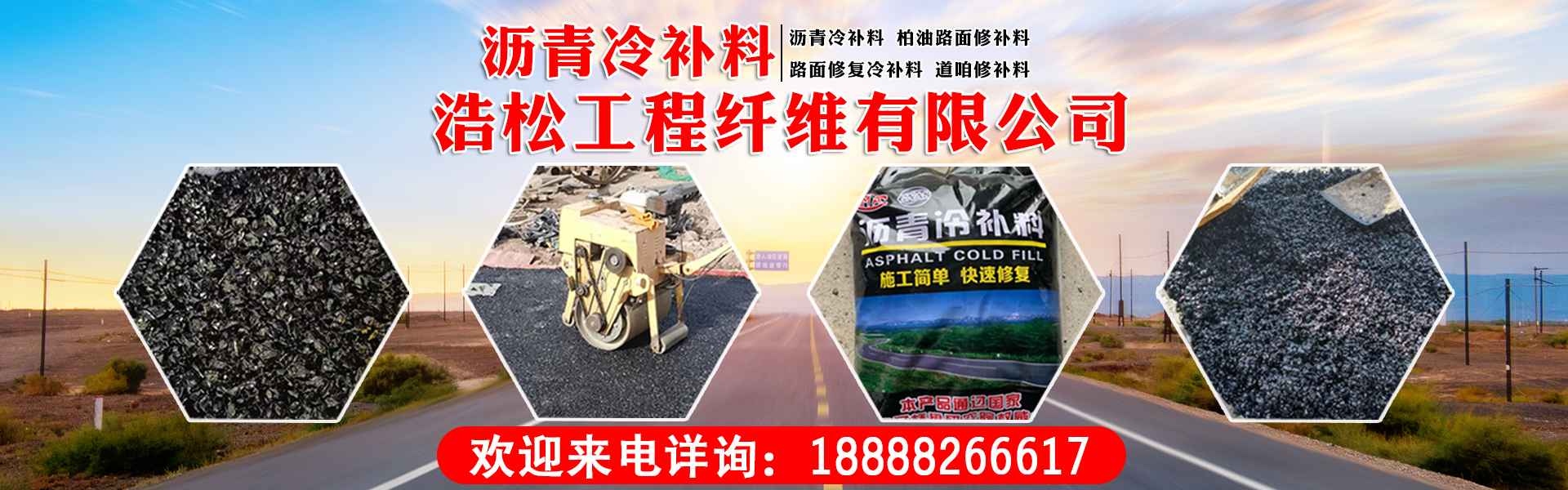
Fill the pothole with sufficient cold patch material until it is about 1.5cm above the ground level. For highway and general road repairs, the amount of cold patch material can be increased by approximately 10%. After filling, the center of the pothole should be higher than the surrounding road surface and curved. If the road damage depth is more than 5cm, the filling work should be done in layers of 4cm each, compacting layer by layer. After even spreading, choose the appropriate compaction tools and methods based on the actual repair environment, area size, and depth. Examples include manual tamping, plate compaction, and roller compaction. After compaction, sprinkle a uniform layer of stone dust or fine sand on the surface, using sweeping tools to sweep back and forth to fill in the surface gaps. The repaired pothole surface should be smooth, level, and free of wheel marks. The edges and corners of the pothole must be compacted and free of loose material. The compaction level for general repairs should be above 93%. For highway repairs, the compaction level should be above 95%.
