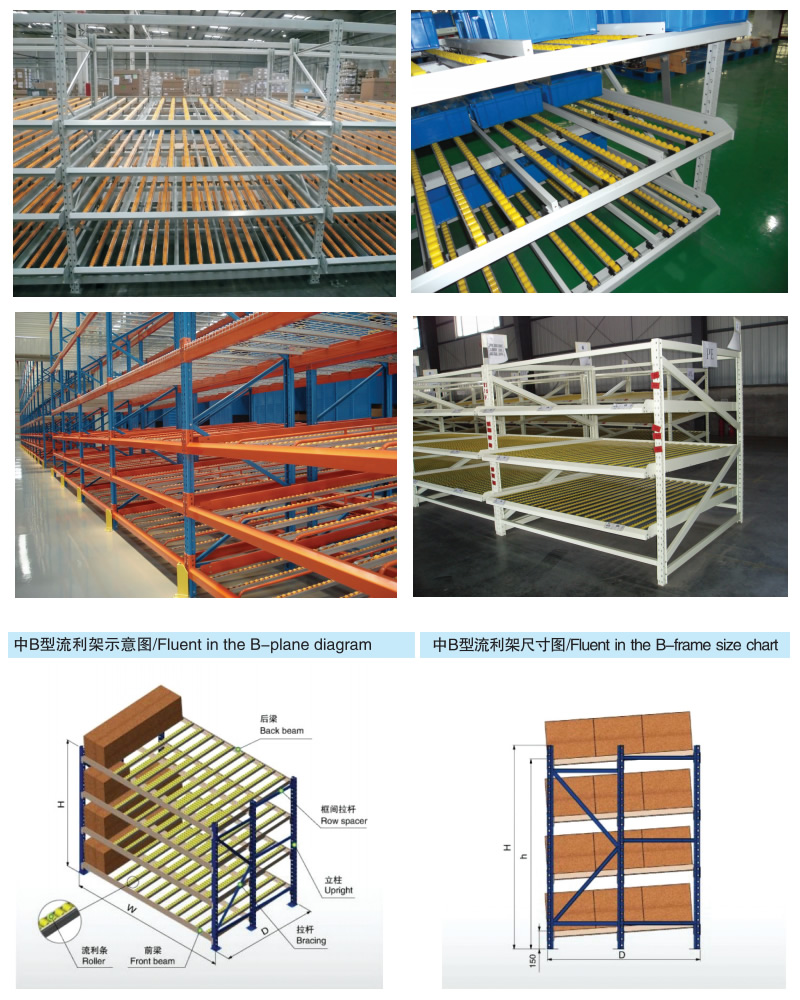
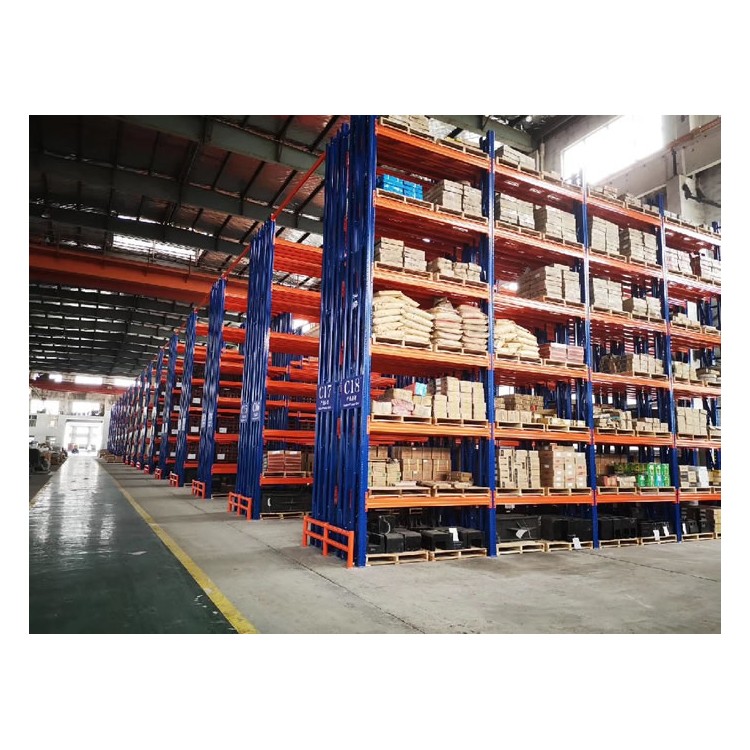
 Shelving, Storage Shelving, Heavy Duty Shelving
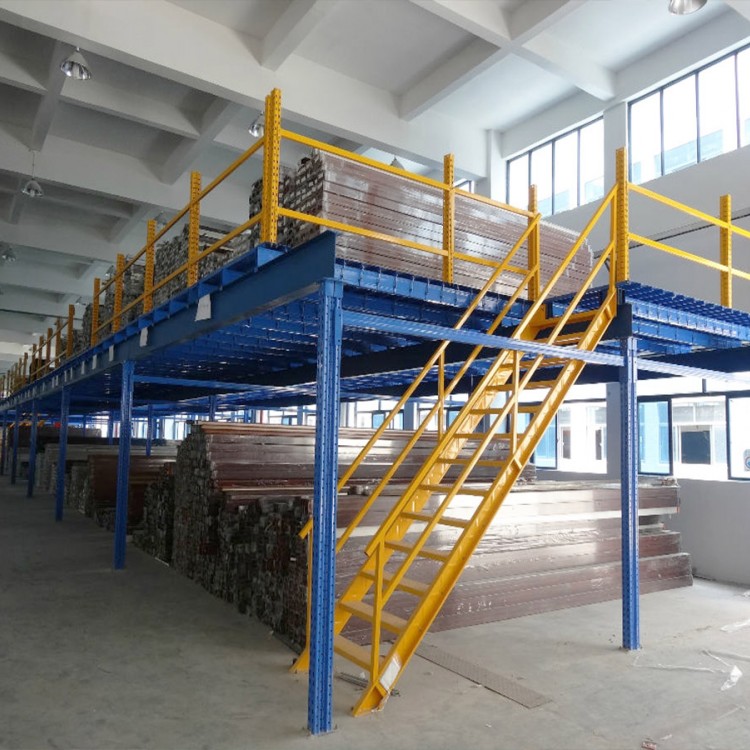 Attic Platform Shelves, Factory Customized
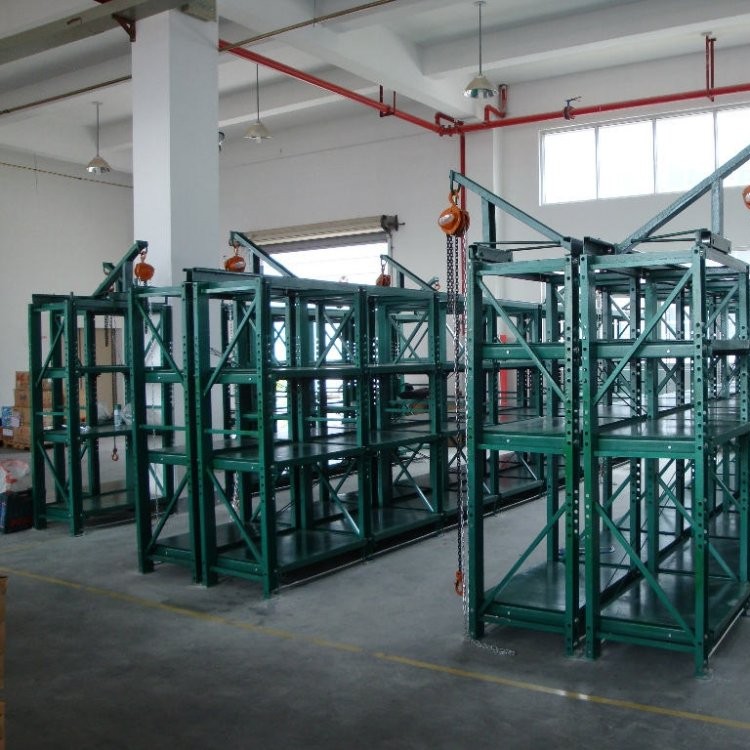 Molds are on the shelves, drawer-style mold racks
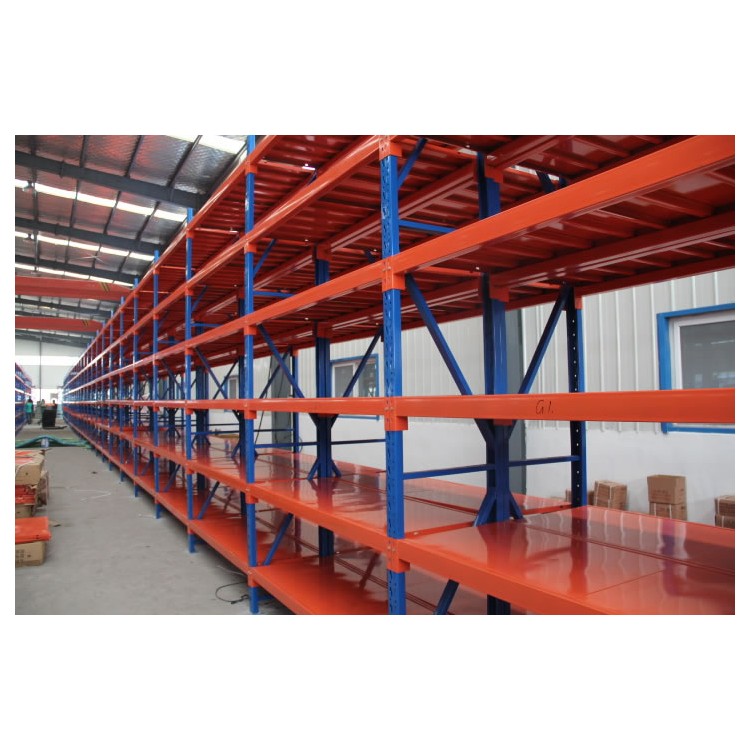 Medium-size storage racks
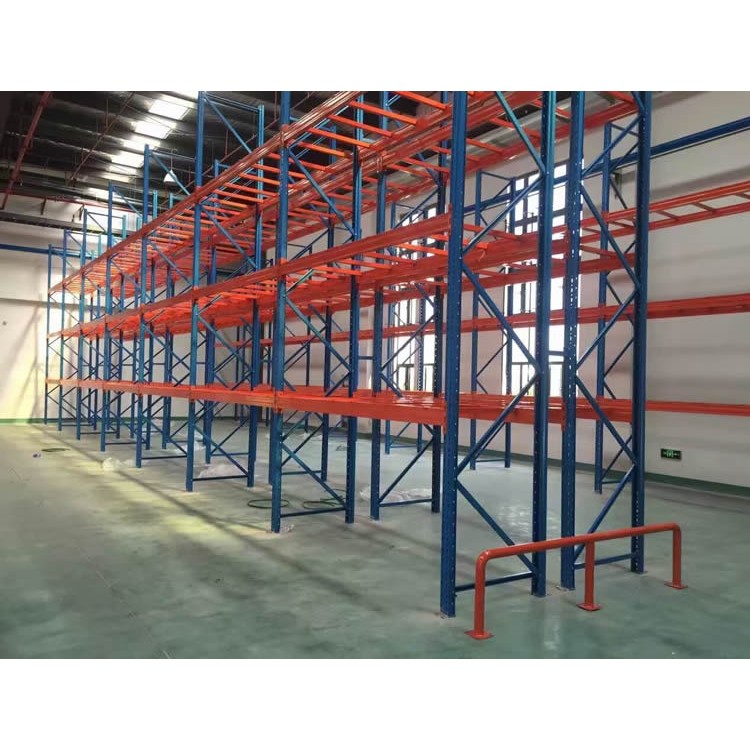 Custom Shelving Manufacturer
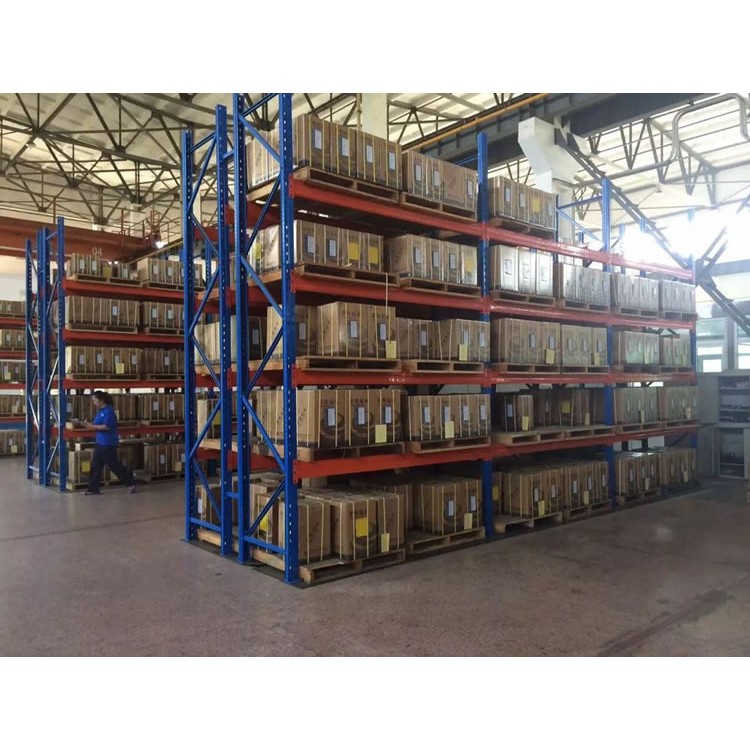 Heavy-duty pallet racking
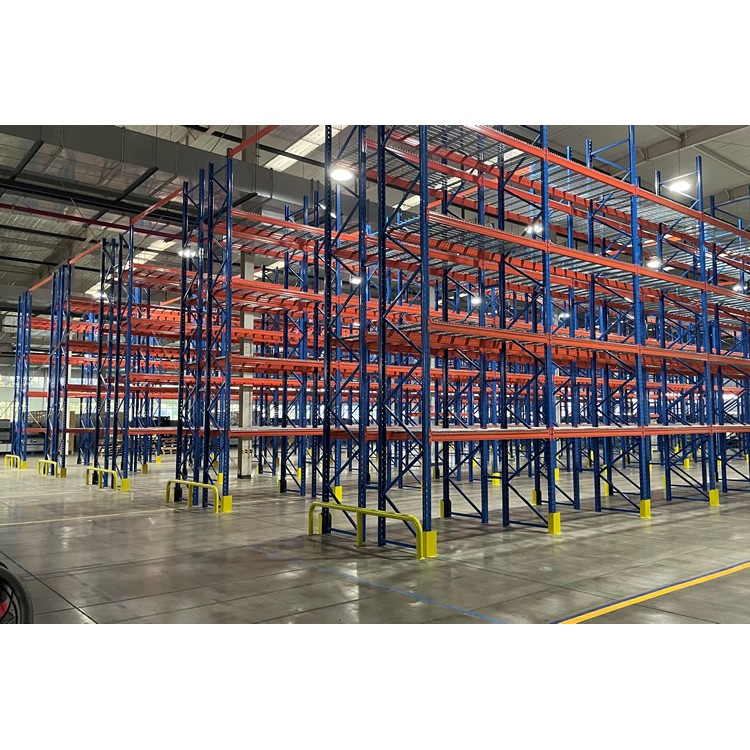 Warehouse shelving
Product Details

Specializing in heavy-duty racking, mold racks, cantilever racks, warehouse r...


产品Price 180.00/Group
最小起订Quantity:1 Group 供货总Quantity: 1000 Group


Name: |
|
Scenario: |
Factory, workshop |
Origin: |
Suzhou |
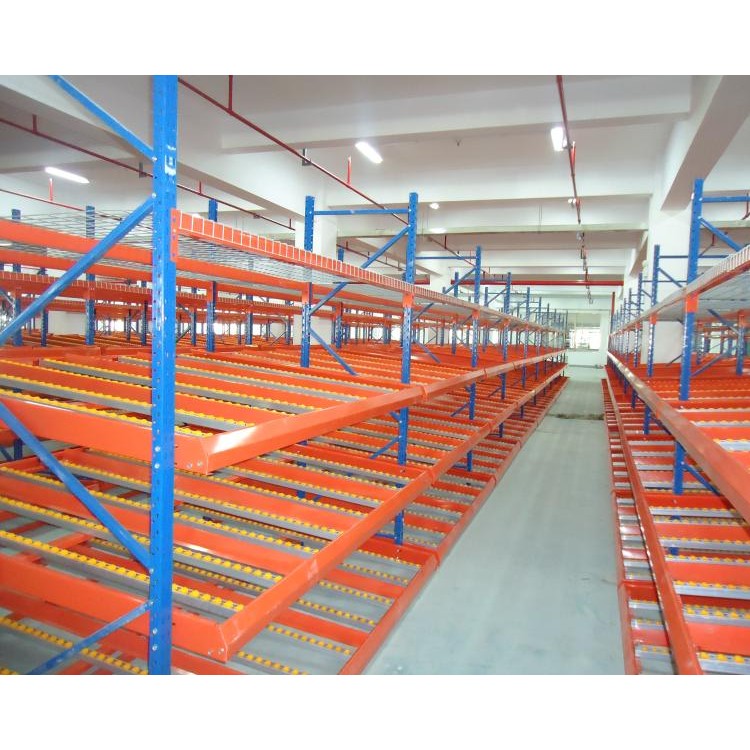
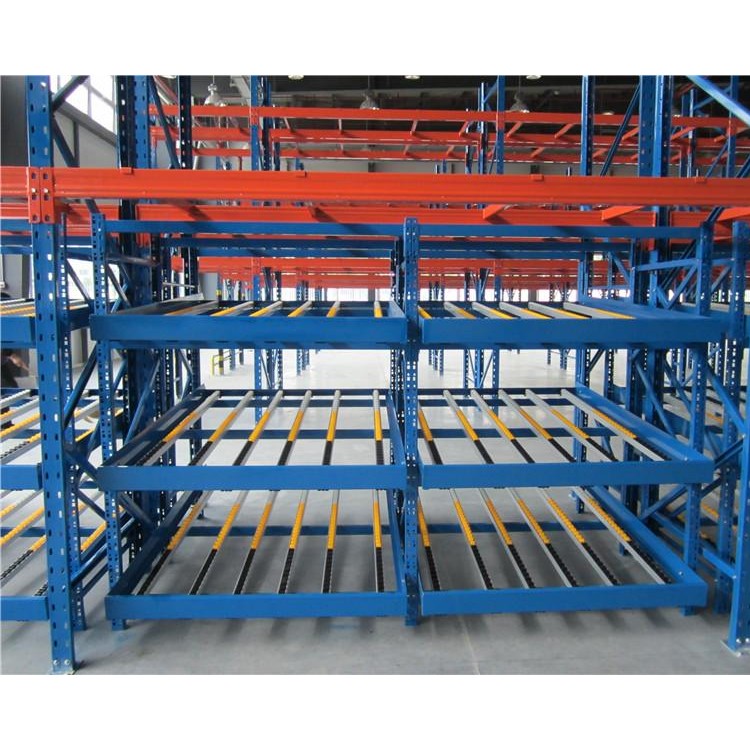
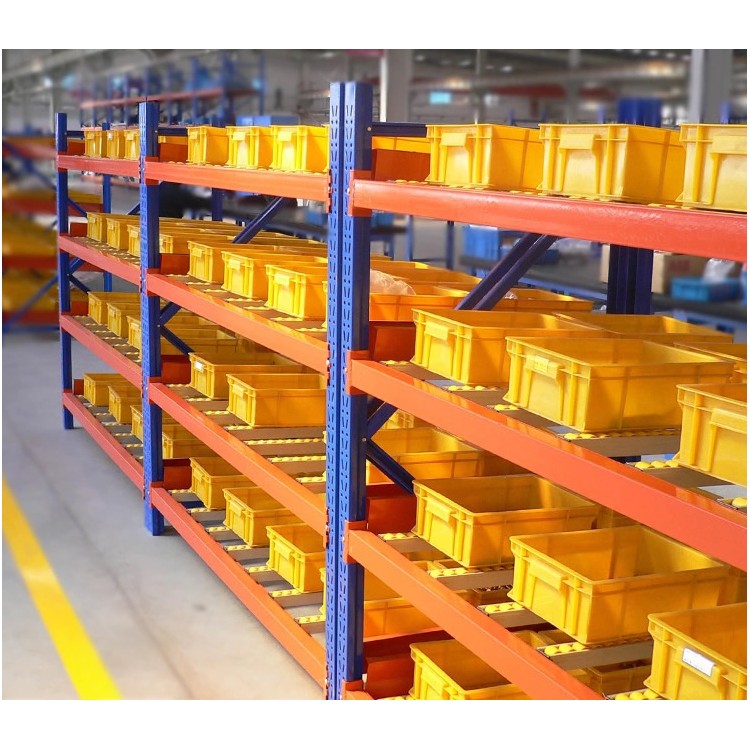
Sliding shelves, also known as gravity flow racks, are made of roller aluminum alloy and metal strips, utilizing the weight of the goods to store items in one aisle and retrieve them from the other, providing convenient storage and single replenishment with multiple picks. These shelves offer high storage efficiency, ideal for short-term storage and picking of large quantities. Compatible with electronic tags for easy inventory management, commonly used sliding containers include bins, parts boxes, and cartons, suitable for large quantities and short-term storage and picking. They are widely used in distribution centers, assembly workshops, and warehouses with high shipping frequencies. Sliding shelves, also known as flow shelves, are made with roller aluminum alloy and metal strips, utilizing the self-weight of the goods platforms. They allow for easy storage by loading from one aisle and unloading from the other. These shelves offer high storage efficiency, making them ideal for short-term storage and selection of large quantities of goods. They can be equipped with electronic labels for easy management. Common sliding containers include bins, parts boxes, and cardboard boxes, suitable for large volumes and short-term storage and selection. They are widely used in distribution centers, assembly workshops, and warehouses with high shipping frequencies. Slant Track Rack Structure Features: The slant tracks of the slant track rack are directly connected to the front and rear crossbeams and the middle support beams. The crossbeams are hung directly on the columns. The installation angle of the slant tracks depends on the size, weight of the containers, and the depth of the rack, usually ranging from 5% to 9%. Each slant track roller can bear a load of 6kg. When handling heavier goods, 3-4 slant tracks can be installed on a single track. Typically, a support beam is installed every 0.6m in the depth direction to enhance the rigidity of the slant tracks. For longer tracks, separators can be used to divide the track. A braking pad must be installed at the retrieval end to slow down the goods and reduce impact.