



 通过中商114认证
I. Product Introduction
Foam concrete is a new type of energy-saving thermal insulation building material that has emerged in recent years. It boasts excellent thermal insulation, soundproofing, and high-temperature resistance. Compared to traditional thermal insulation materials, it has higher pressure resistance and aging resistance, as well as ease of construction and low cost. It is now widely used in the thermal insulation layers for ground heating and roof insulation, interior and exterior wall blocks for buildings, soundproofing walls, construction of greenhouses for plant cultivation and storage cold rooms, and other fields.
Foam concrete is a lightweight, insulating, soundproof, and environmentally friendly product made by mixing water, cement, and foaming agents in proportion, then transporting and solidifying them with machinery.
In response to the varying thermal insulation requirements across different regions in our province, the thermal insulation effect of the foam concrete layer must meet the building energy-saving standards. The average thickness of the ground heating insulation layer is 40mm. The roof thickness is averaged at 150mm, with other insulation work carried out according to design specifications.
Material
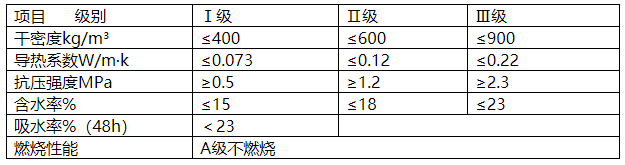
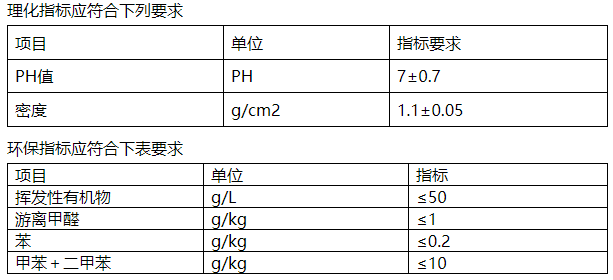
Physical properties of foamed concrete materials should meet the following requirements:
Low-Density Foam Concrete Physical Properties
Cement: When in the presence of erosive media, P.P32.5 cement should be selected according to design specifications. The product meets the corresponding national standards.
2. Foaming Agent:
Appearance Quality: Brown or transparent liquid; slight sediment is permissible, no visible foreign matter.
Section 3: Process Principle
Expanded polystyrene is a lightweight, cellular material created by mechanically compressing a foamed water solution to form uniform, sealed bubbles. This foam is then injected into a slurry made from cement, water, and various additives, mixed and poured into molds, and cured to produce the material.
Section 4: Construction Process and Key Operational Points
1. Construction Preparation
Material Requirements and Key Equipment:
Cement: When subjected to侵蚀性media, P.P32.5 cement should be selected in accordance with design requirements.
Additives: The selection and dosage of additives should comply with the design requirements and the provisions of GB/T8077-2000 standard.
Key Equipment: Foam Machine, Mortar Mixer, Trowels, Scrapers, etc.
2. Construction process flowchart is illustrated in the image below.
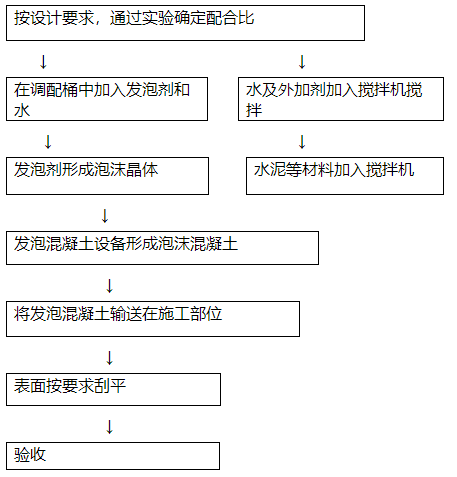 GB50207-2002 Roofing Quality Acceptance Standard 3, Operation Key Points
1) Clean the dust, debris, and standing water from the grassroots level.
2) Field marking according to the design thickness and slope of the expanded concrete.
3) Water the base to moisten.
4) Specify larger plastic or iron drums as the foaming agent mixing drums.
5) The foam used for foamed concrete should be produced by equipment, with a diameter of 0.5 to 2mm and be elastic, not easily broken. The concrete foam should be used immediately after production, with no storage time exceeding 20 minutes.
6) Water and cement are added to the mixer, then blended for 2-3 minutes. Subsequently, the mixture is pumped into the foaming machine. After foaming, it is directly pumped to the work surface and then leveled with a trowel.
7) The on-site construction temperature should not be below 5°C.
4. Proportion in conjunction

V. Engineering Technical Specifications and Standards referenced in this proposal
L08JT17: Method and Structure of Foamed Concrete Construction
GB50119-2003 Concrete Admixture Application Technology Specification
GB18583-2001 - Indoor Decoration and Renovation Materials: Limit of Harmful Substances in Adhesives
Determination of pH Value of Adhesives - GB/T 4518-1993
JD14-001-2005 Low-Density Foam Cement Insulation Layer Technical Guidelines
Six: Quality Control of Engineering Projects
Ensure Project
The raw materials (cement, foaming agent, water) used in foam concrete should have product certification and performance test reports. The types, specifications, and properties of the materials should comply with the current national product standards.
Surface drainage slopes for flat roofs and gutters, eaves, and similar areas should meet the specified requirements.
The density, compressive strength, thermal conductivity, and other performance indicators of the foamed concrete should comply with the requirements of the relevant provisions in the "Technical Code for Roof Engineering" (GB50345-2004) and the "Quality Acceptance Code for Roof Engineering" (GB50207-2002).
Safety & Environment
Before operating foam machines, mortar mixers, and their auxiliary equipment, a no-load trial run should be conducted. After the operation, switch on the machines for work. Foam machines and mixers should have a switch box equipped with a leakage protector. The power switch should be turned off when stopping the machine, and the switch box should be locked before leaving work.
Quality Records
Material (cement, foaming agents, water, etc.) factory certificates, test reports, and cement inspection reports.
Design Changes and Negotiation Records
Item-by-item quality inspection and evaluation of construction projects.
Other technical documents.
Civilized Construction
Establish a Civilized Construction Management System
A civil construction management team led by the project manager has been established on the construction site, along with a dedicated civil construction inspector.
Construction Team Leader
Civil Construction Inspector
2. Construction Site
Material Storage: Materials are neatly arranged on the construction site, with cement stacked and covered.
(2) Waste Management: Waste at construction sites is cleared by on-duty staff. Domestic waste is collected and disposed of daily, with a dedicated person in charge of management and regular removal.
(3) Construction activities are noise-free, and the site strictly prohibits the burning of toxic and harmful substances to minimize environmental pollution.
(4) Prior to and after storms, inspect temporary construction site facilities, mechanical and electrical equipment, temporary wiring, and issues like leaking rain or electricity. Immediate repairs and reinforcement are required, and any serious hazards should be eliminated promptly. Additionally, measures to prevent rain damage must be in place for raw materials, finished products, and semi-finished goods.
3. Control of Inspection and Verification
During the construction process, we identify unsafe conditions in safety facilities, violations of operational regulations, unsafe conduct of supervisors, uncivilized construction practices, and deficiencies in environmental protection. We conduct regular and irregular inspections and re-inspections to ensure compliance with safety and civilized construction standards, and maintain thorough safety records.
4. Control of Accident Hazards
Implement safety operations in all stages and across all trades according to the written safety technical instructions.
(2) No one is allowed to give illegal instructions. Safety officers are law enforcers for safe production and have the right to stop illegal operations; no one is permitted to interfere.
(3) In the event of a conflict between production, construction, and safety, safety needs must be prioritized.
(4) Promptly address existing safety hazards to meet regulatory requirements, and organize follow-up inspections and acceptance. Educate or penalize individuals exhibiting unsafe behavior.
5. Corrective and Preventive Measures
(1) The project safety officer proposes suggestions for corrective and preventive measures, based on identifying the cause and having a conclusion from the investigation.
Ensure the safety and civil education for incoming workers, and consistently implement comprehensive safety training throughout the entire process. The focus of the training is to enhance the operators' awareness of self-protection.
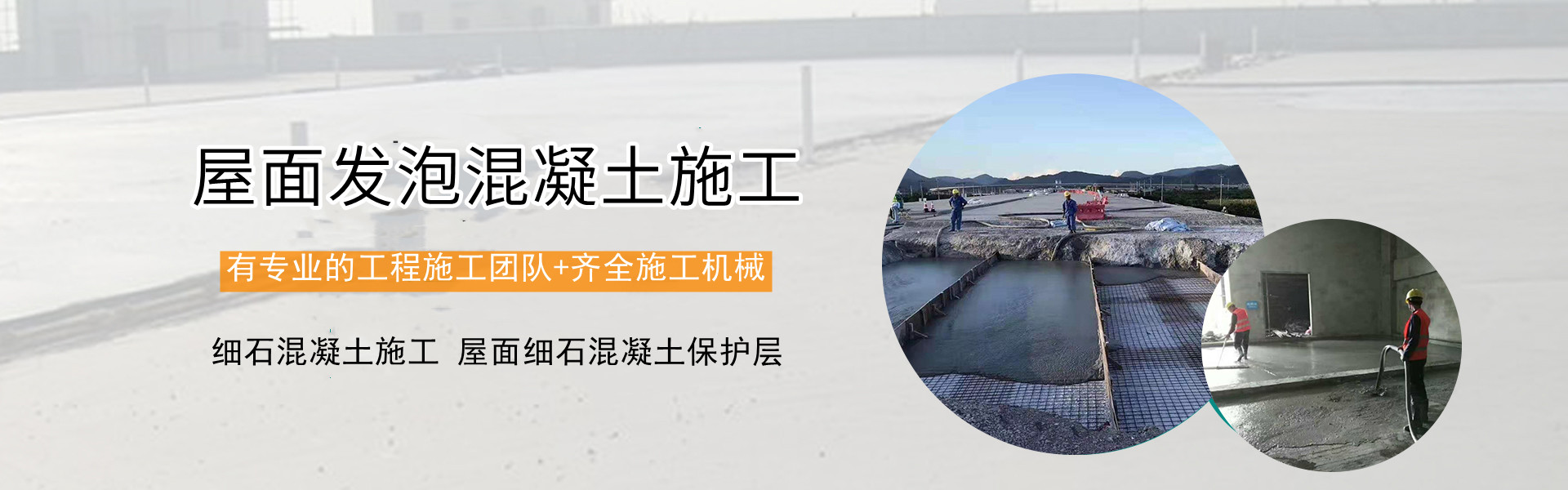
Note: After the foamed concrete construction is completed, protective work on the foamed concrete surface must be carried out within 3 to 5 days before other construction processes are allowed. A 2-cm mortar protective layer should be applied. If people or vehicles need to access the roof, wire mesh must be tied for reinforcement, with the wire specification determined based on the actual conditions, followed by a fine-grained concrete protective layer.
