
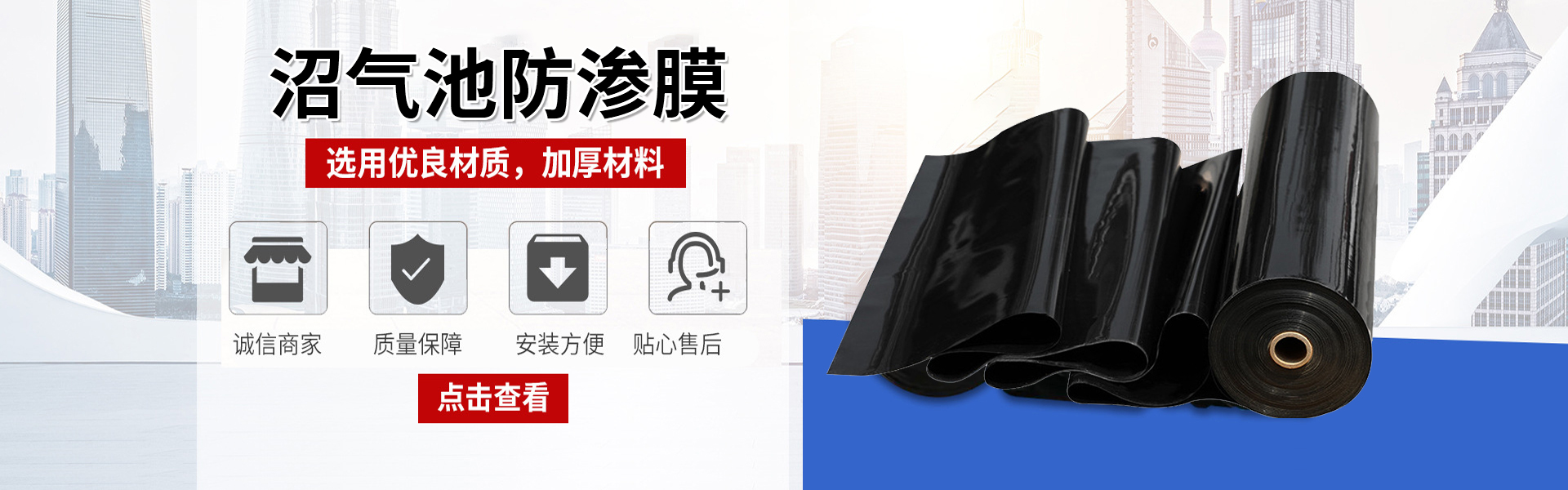


HDPE geomembrane specifications come in ten different models. When purchasing composite geomembrane, it's important to note varying thicknesses and glossy surfaces. The overall goal should be to meet or exceed the unspecified standards, so no particular attention is needed at the time of purchase. What should you be aware of, though? If there are many particles on the surface, that indicates it's not of good quality.
Price factors vary greatly, such as transportation logistics, HDPE geomembrane raw materials, and production costs. Different HDPE geomembrane manufacturers with varying levels of resistance to cold temperatures, such as the ease of cracking in low temperatures, will offer different prices.
Quality is crucial to the integrity of all engineering projects. To prevent issues such as water leakage, if a strong plastic (related term: plastic) odor is detected, it's not a good sign. We recommend purchasing high-quality HDPE geomembranes. Qualified manufacturers (also known as producers) should consider factors like climate during the production process.
HDPE geomembrane installation is done on the same day, with efforts to minimize wrinkles and dragging. The edges should be at least 200mm longer than the defective ones in all directions. Additionally, it is not suitable to stretch it too tightly and immediately apply a certain external force to make it stick together firmly.
In other words, here are the challenges you should be aware of when purchasing HDPE geomembranes, hoping this assists you in your purchase!
