
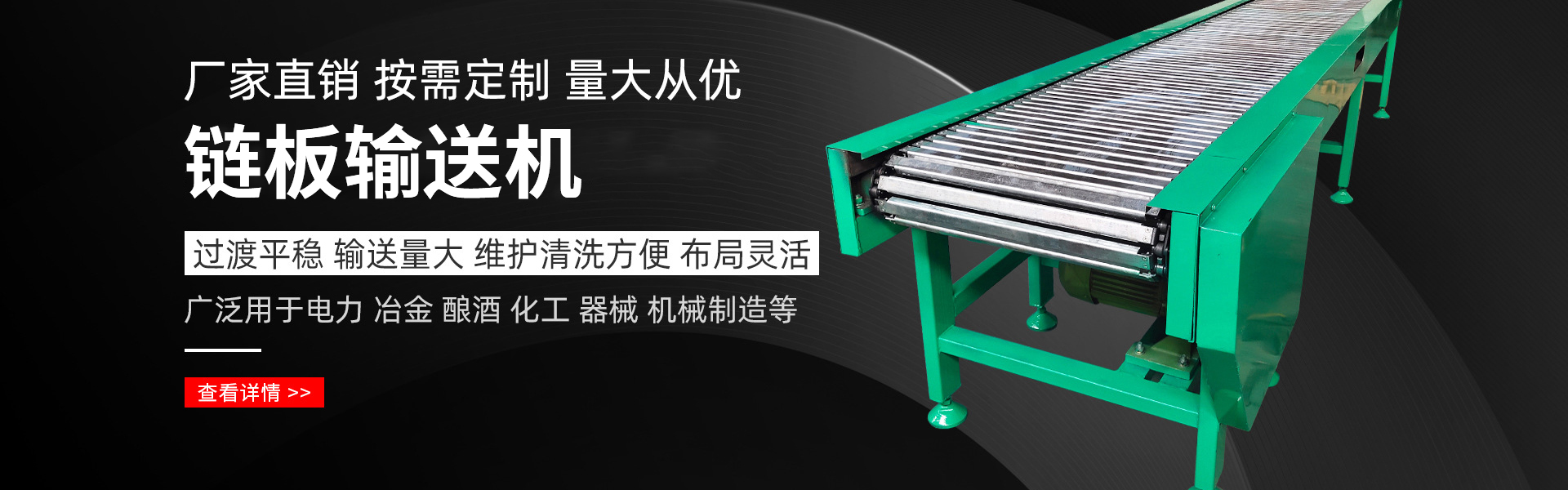
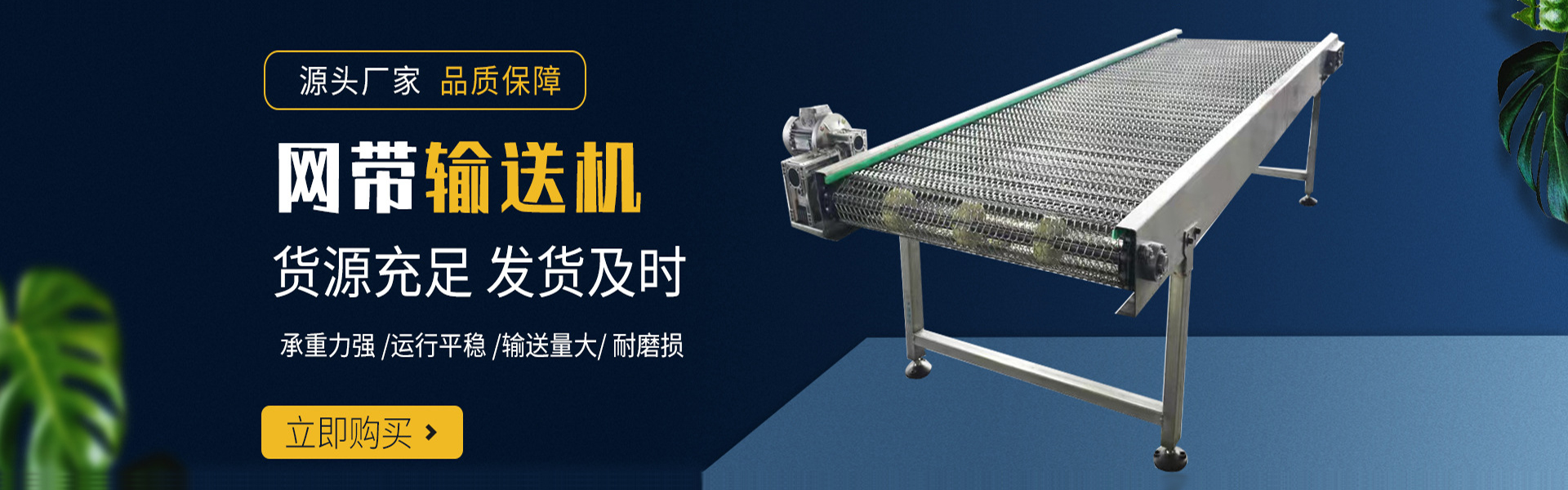

For conveyors, the proportion and method of material transport are crucial, as both the equipment's working capacity and operating conditions depend on the chosen filling system. In other words, the layout of the feeding and unloading of the conveyor plays a vital role. So, how should these aspects be addressed?
When planning the feeding and unloading methods of conveyors, the type of conveyor must be considered. The feed machine settings ensure that materials are discharged from the hopper at a predetermined rate, with the output quantity of materials being independent of their height. Additionally, cylindrical upper sections equipped with rotating blades of specific volume are selected to discharge materials at a certain rotational speed, with the feeding quantity being determined by the speed.
In machines with multiple feed points set at specified intervals, the conveying machine must be manually adjusted to control the load. When only one feed point needs to be opened at any given time, the gate or switch device should not allow the conveying machine to exceed its weight limit when opened to a wide extent. When more than one feed point needs to be opened, it is essential to carefully adjust the flow rate of each feed point to ensure the total does not exceed the conveying machine's designed capacity limit; and when all feed points must be opened simultaneously to feed the conveying machine, overall material flow must be controlled.
